Plant Care
›
Propagation
›
Common Filbert
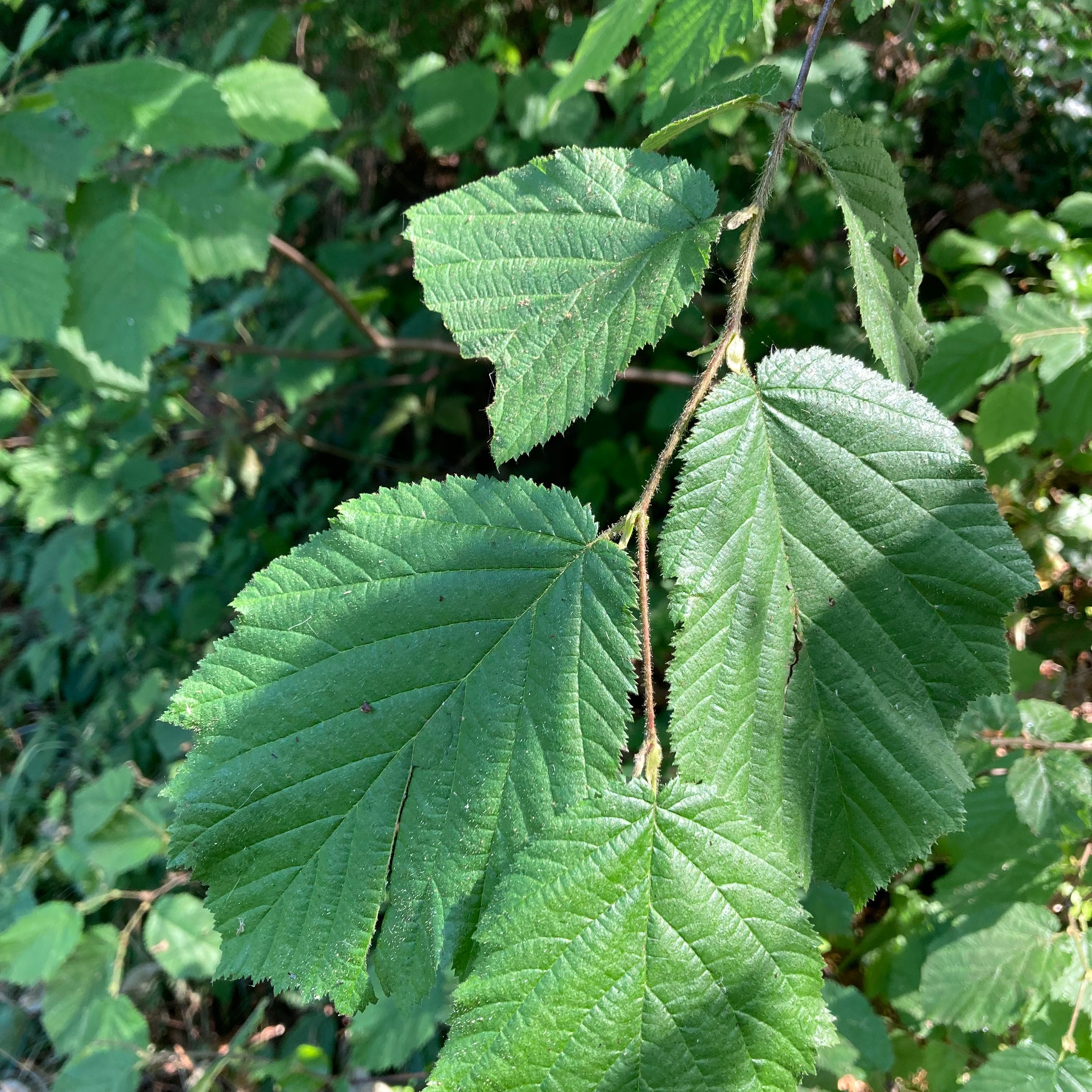
Corylus avellana
Reviewed by Kiersten Rankel M.S.
QUICK ANSWER
Mound layering is the standard nursery method for hazel and gives 5 to 15 rooted plants from one parent in a single season.
Ground layering takes about 12 months but only needs one low branch and a shovel. Hardwood cuttings root over winter at moderate rates if you use the strongest IBA hormone.
Nuts can be grown but take 6 to 8 years to bear and named varieties will not come true from seed.
Ground layering takes about 12 months but only needs one low branch and a shovel. Hardwood cuttings root over winter at moderate rates if you use the strongest IBA hormone.
Nuts can be grown but take 6 to 8 years to bear and named varieties will not come true from seed.
Stay on top of plant care
Get seasonal reminders for watering and fertilizing, personalized for your plants.
Try Greg Free
Pick your method
Tap one to jump to the walkthrough.
Mound layering
Best for many plants from one parent in a single season
Ground layering
Best when you just want one or two new plants
Hardwood cuttings
Best when you cannot reach the parent shrub for layering
From seed
Best for growing rootstocks or wild hedgerow stock
Mound layering
Time
8–12 months
Level
Intermediate
Success rate
High
You'll need
Established Corylus shrub at least 3 years old
Sharp pruners
Sandy loam or sand-soil mix for mounding
Mulch or compost
Garden fork for separation in autumn
1
Cut the parent to the ground in late winter
Drop the whole shrub to 2 to 3 inches above the ground in February or early March. This sounds drastic but the plant will throw 10 or more new shoots from the stump by midsummer, and each shoot is a potential new plant.
2
Let new shoots grow to 6 inches
By late spring, vigorous new stems will have pushed up from the cut stump. Wait until they reach 6 to 8 inches tall before starting to mound. Earlier mounding smothers the shoots before they have enough leaves.
3
Mound sandy soil around the base
Pile sandy loam or a sand-soil mix around the new shoots, burying the bottom 3 to 4 inches of each stem. Add more mound material every few weeks as the shoots grow taller, keeping the bottom third buried.
Final mound height is usually 8 to 10 inches.
Final mound height is usually 8 to 10 inches.
4
Keep the mound moist all summer
Water the mound any time it dries out. Roots form along the buried portion of each stem only when the soil stays evenly damp. Dry mounds produce few or no rooted layers.
5
Wait for rooting through the season
By late autumn, each buried stem will have its own root system. Resist the urge to dig early because partially rooted layers do not establish well after transplant.
6
Separate in late winter or early spring
Carefully fork away the mound to expose the rooted stems. Cut each rooted shoot free at the base with sterile pruners and lift it as a finished young plant. Pot up or transplant to a final spot. The original stump can be mounded again the next year.
WATCH FOR
Rooted layers that snap off at the base when separated. That means the connection point was too brittle, often because the mound dried out at some point.
Next season, water more often during dry spells and use a sandier mound mix that drains but holds moisture better. Hazel layers need consistent dampness more than they need any one other condition.
Next season, water more often during dry spells and use a sandier mound mix that drains but holds moisture better. Hazel layers need consistent dampness more than they need any one other condition.
Ground layering
Time
10–12 months
Level
Beginner
Success rate
High
You'll need
Established Corylus with low flexible stems
Sharp spade
Sterile knife or pruners
Landscape pin or forked stake
Compost or sandy soil
Mulch
1
Choose a flexible low stem in spring
Look for a 1- to 2-year-old stem near the base that bends easily to the ground. Hazel naturally arches outward, so most established shrubs have suitable stems already in place.
2
Wound the underside of the stem
About 8 to 12 inches back from the tip, scrape a 1-inch sliver of bark off the lower side of the stem. Or make a shallow slanting cut with a sterile blade and wedge it open with a small pebble. The wound triggers root formation.
3
Bury the wound in a shallow trench
Dig a trench about 4 inches deep under the stem. Bend the stem into the trench, wound side down, leaving 6 inches of leafy tip sticking up at the far end. Pin the buried section flat so it cannot lift in wind or rain.
4
Backfill with sandy compost
Cover the buried portion with sandy compost or a soil-compost mix and tamp gently. Stake the leafy tip upright if needed. Mulch with 2 inches of bark or shredded leaves to hold moisture.
5
Keep the layered area moist
Water the buried section whenever the soil dries out. Hazel layers root much faster in soil that stays evenly damp through the first growing season.
Mark the layer with a stake so it does not get mowed or weeded.
Mark the layer with a stake so it does not get mowed or weeded.
6
Sever and lift the next spring
After 10 to 12 months, dig down at the wound. A network of fine white roots means the layer is ready. Cut the stem free of the parent on the parent side and lift the new plant with as much root mass as possible. Plant out immediately or pot up.
WATCH FOR
The leafy tip wilting in midsummer. That usually means the buried wound dried out at some point or the pin loosened and the stem lifted.
Dig down and check the buried section. Rebury and water deeply if needed, or accept that this layer needs another season. Hazel often produces good roots in year 2 even after a stalled year 1.
Dig down and check the buried section. Rebury and water deeply if needed, or accept that this layer needs another season. Hazel often produces good roots in year 2 even after a stalled year 1.
Hardwood cuttings
Time
5–6 months over winter
Level
Intermediate
Success rate
Low
You'll need
Sterile sharp pruners
Dormant 1-year-old wood from the parent
Rooting hormone with IBA at 0.8 percent (recommended)
Coarse sand or sand-perlite mix
Deep nursery pot or trench in a cold frame
1
Cut in late autumn or early winter
Wait until the leaves drop and the wood is fully dormant. Pick straight pencil-thick stems from the past summer. Avoid the soft tip and the very oldest gray bark.
2
Cut 8 to 10 inch lengths
Make a flat cut just below a node at the base and an angled cut just above a node at the top. Two distinct cuts let you tell which end is up later. Hazel cuttings will not root if planted upside down.
3
Wound and dust with strong hormone
Scrape a 1-inch sliver of bark off the side at the base to expose cambium. Tap the cut end into 0.8 percent IBA powder. Hazel hardwood is genuinely difficult to root and the strongest hormone makes the difference between a third and a half of cuttings rooting.
4
Plunge into deep coarse sand
Fill a deep pot or a trench in a cold frame with coarse sand. Push each cutting in so two thirds of its length is buried, with the angled cut at the top. Burying most of the cutting protects against winter desiccation.
Space cuttings 3 inches apart.
Space cuttings 3 inches apart.
5
Hold cool through winter
Keep the sand barely damp through the cold months. Hazel needs a long cool period to form a callus, then warming spring weather to push roots. The cold frame protects from hard freeze-thaw cycles that can heave cuttings out.
6
Pot up in late spring
By May or June, lift cuttings carefully. Roots will be sparse but visible on the rooted ones. Pot survivors into 1-gallon pots with regular potting mix and grow on in partial shade for the first summer. Expect 30 to 50 percent to root.
WATCH FOR
Cuttings that pull out smoothly with no roots and a black slimy base. That is failure to callus, usually from too-warm or too-wet winter conditions.
Next attempt, use coarser sand for better drainage and place the cuttings somewhere that holds steady at 35 to 45 F. Hardwood hazel rooting depends heavily on those steady cold conditions.
Next attempt, use coarser sand for better drainage and place the cuttings somewhere that holds steady at 35 to 45 F. Hardwood hazel rooting depends heavily on those steady cold conditions.
From seed
Time
8–12 weeks to germinate
Level
Beginner
Success rate
Moderate
You'll need
Fresh ripe hazelnuts in their husks
Damp sand or sphagnum
Plastic bag or container for stratification
Deep pots or root trainers
Standard potting mix
Wire mesh against rodents
1
Collect nuts when husks turn brown
Pick nuts in September and October when the green husks just start to brown but before squirrels strip the shrub clean. Drop the nuts into water and discard any that float, since floaters have hollow or insect-damaged kernels.
2
Cold stratify for 12 to 16 weeks
Mix the sound nuts with damp sand or sphagnum, seal in a plastic bag with a few air holes, and place in the fridge at 35 to 40 F. Hazel needs a long cold winter to break dormancy. Check monthly to make sure the medium has not dried out.
3
Sow 2 inches deep in deep pots
Pull the bag out in February or March. Sow each nut 2 inches deep in a deep pot or root trainer at least 8 inches tall. Hazel sends down a strong primary root early, so deep containers prevent root damage at transplant.
Use standard potting mix amended with a little extra perlite.
Use standard potting mix amended with a little extra perlite.
4
Cover the pots with wire mesh
Pin a piece of hardware cloth over the seed pots. Squirrels, mice, and jays will dig up germinating hazelnuts and an unprotected pot can be cleaned out overnight. Remove the mesh once the seedlings push through.
5
Hold cool until shoots emerge
Keep pots at 50 to 65 F in a sheltered outdoor spot or unheated greenhouse. Germination is irregular and stretches over 2 to 3 months, with most shoots up by May. Water any time the surface dries.
6
Plant out at 12 inches tall
Grow seedlings in their original deep pots through the first season. Move to a final spot or step up to 1-gallon pots in autumn once they reach 12 inches. Note that seedlings of named cultivars will not match the parent.
WATCH FOR
Whole pots cleaned of nuts despite the wire mesh. That means squirrels reached under the cover, which they often do.
Use heavier-gauge mesh pinned with rocks or store the pots inside a closed cold frame or shed window through germination. Hazelnuts are one of the highest-value seeds for rodents and you cannot overprotect them.
Use heavier-gauge mesh pinned with rocks or store the pots inside a closed cold frame or shed window through germination. Hazelnuts are one of the highest-value seeds for rodents and you cannot overprotect them.
Stay on top of plant care
Get seasonal reminders for watering and fertilizing, personalized for your plants.
Try Greg Free
About This Article

Kiersten Rankel M.S.
Botanical Data Lead at Greg · Plant Scientist
Editorial Process
Propagation methods verified against Corylus avellana growth data from Greg's botanical database, cross-referenced with USDA hardiness zone data and published horticultural research.
55+ Greg users growing this plant
USDA hardiness zones 4a–8b