Plant Care
›
Propagation
›
Western Dogwood
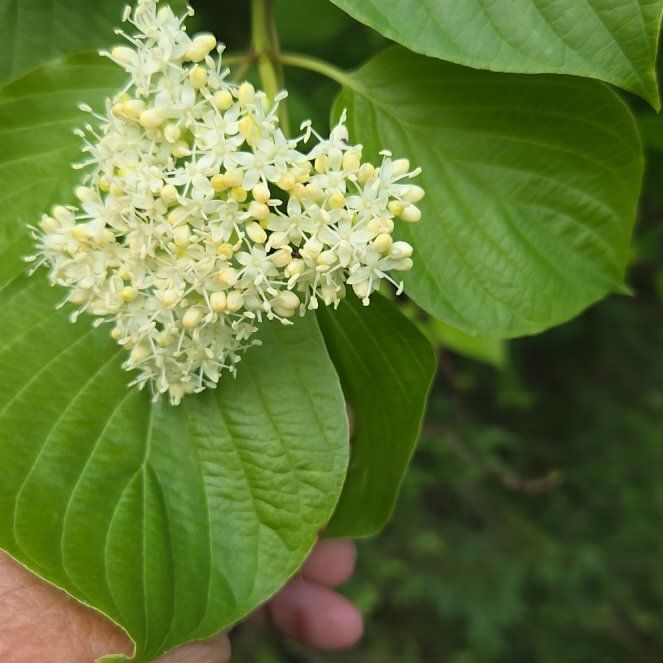
Cornus sericea
Reviewed by Kiersten Rankel M.S.
QUICK ANSWER
Hardwood cuttings taken in late winter root in 8 to 12 weeks at 80 percent or better, so they are the easiest reliable home method.
Softwood cuttings work in early summer for an extra round in 6 to 8 weeks. Ground layering takes 12 months but works on a single low branch with no cutting tools.
Division of a clumping shrub gives a finished plant in 1 to 2 weeks but needs a mature parent and a strong back.
Softwood cuttings work in early summer for an extra round in 6 to 8 weeks. Ground layering takes 12 months but works on a single low branch with no cutting tools.
Division of a clumping shrub gives a finished plant in 1 to 2 weeks but needs a mature parent and a strong back.
Stay on top of plant care
Get seasonal reminders for watering and fertilizing, personalized for your plants.
Try Greg Free
Pick your method
Tap one to jump to the walkthrough.
Hardwood cuttings
Best for getting a high success rate with minimal gear
Softwood cuttings
Best when you want plants by autumn
Ground layering
Best when you only need one or two new plants
Division
Best for an instant second plant from a mature thicket
Hardwood cuttings
Time
8–12 weeks
Level
Beginner
Success rate
High
You'll need
Sterile sharp pruners
Bright red dormant stems from the previous summer's growth
Garden bed or deep nursery pots
Standard well-drained garden soil
Mulch (straw, leaves, or wood chips)
1
Cut in late winter when fully dormant
Wait for late January through early March before any buds break. Pick the brightest red pencil-thick stems from the past summer's growth. The vivid color of 'Coral Red' is best on year-old wood, and these same stems are the ones that root.
2
Cut 8 to 10 inch lengths
Make a flat cut just below a node at the base and an angled cut just above a node at the top. Two different cuts let you tell the bottom from the top later. Cornus sericea will not root if planted upside down.
3
Plunge two thirds deep into garden soil
Push each cutting into prepared soil so two thirds of the length is buried, leaving 2 to 3 buds above the surface. Space cuttings 6 inches apart in a row. The soil contact along the buried length is where most of the roots will form.
4
Mulch lightly to insulate
Cover the bed with 2 inches of straw or shredded leaves. Mulch protects against deep frost heave and keeps the soil from drying out in early spring before roots form.
Pull the mulch back from the cutting tops once buds start to swell.
Pull the mulch back from the cutting tops once buds start to swell.
5
Water once and leave through spring
Water the bed thoroughly once at planting and only again if the soil dries out completely. Cornus sericea is a wet-tolerant streamside plant, so soggy spring soil is fine and even helps.
6
Lift rooted cuttings the next autumn
By October, dig up each cutting carefully. Survivors will have a network of fine white roots along the buried length and new green growth above. Pot up or transplant to a final spot. Expect 80 percent or better to root at home.
WATCH FOR
A whole row of cuttings that fail to leaf out in spring. That is usually upside-down planting from losing track of which end was up.
Always cut the base flat and the top angled at the same time you take the wood, before the cuttings get mixed in a pile. This is the single most common hardwood-cutting mistake.
Always cut the base flat and the top angled at the same time you take the wood, before the cuttings get mixed in a pile. This is the single most common hardwood-cutting mistake.
Softwood cuttings
Time
6–8 weeks
Level
Intermediate
Success rate
Moderate
You'll need
Sterile sharp pruners or scissors
Soft new green growth from the current season
Rooting hormone with IBA at 0.3 percent
50/50 perlite and peat or perlite and sand
Tray with humidity dome
Bright shade location
1
Cut in early to mid summer
Take cuttings in June or early July when new shoots are 6 inches long but still flexible. The wood should bend easily and snap with a light crack. Fully woody stems root only as hardwood.
2
Trim 4 to 6 inch tip cuttings
Cut just below a node with sterile blades. Strip leaves off the bottom half of the stem and cut any large remaining leaves in half to reduce moisture loss. Smaller leaf area keeps the cutting hydrated until roots form.
3
Dip the base in rooting hormone
Tap the bottom inch into IBA powder and shake off the excess. Cornus softwood roots faster and more evenly with hormone, even though hardwood cuttings of the same plant can skip it.
4
Stick into perlite-peat
Open a hole with a pencil so the hormone stays in place, slide the cutting in, and firm the medium gently. Use a tray with at least 4 inches of medium so roots have room to develop downward.
5
Cover with a humidity dome
Place a clear dome over the tray and set in bright shade or under 50 percent shade cloth. Mist the leaves daily to maintain high humidity. Bottom heat is helpful but not essential here.
6
Pot up at 6 weeks
Tug very gently on a cutting. Resistance means roots have formed. Pot rooted cuttings into 4-inch pots of regular potting mix and grow on in dappled shade for the rest of the season before stepping up.
Leave them outdoors in pots through winter under mulch in zones 4 to 7.
Leave them outdoors in pots through winter under mulch in zones 4 to 7.
WATCH FOR
Wilting leaves within the first 3 days even under the dome. That is moisture loss because the cuttings are larger or have more leaf area than the medium can support.
Trim back any remaining large leaves further, mist twice daily, and add a thin layer of damp newspaper inside the dome to hold humidity. Cuttings that wilt past day 3 rarely recover.
Trim back any remaining large leaves further, mist twice daily, and add a thin layer of damp newspaper inside the dome to hold humidity. Cuttings that wilt past day 3 rarely recover.
Ground layering
Time
10–12 months
Level
Beginner
Success rate
High
You'll need
Established Cornus sericea shrub with low flexible stems
Sterile knife or razor blade
Landscape pin or U-shaped wire
Sharp spade
Mulch or compost
1
Pick a low branch in spring
Look for a flexible 1- to 2-year-old stem that bends to the ground without breaking. Red osier dogwood is a thicket-former and most established plants already have arching stems touching the soil.
2
Wound the stem on the underside
About 8 to 12 inches back from the tip, scrape off a 1-inch sliver of bark on the lower side of the stem. Or make a shallow notch with a sterile blade. The wound is where new roots emerge.
3
Bury the wounded section
Dig a shallow trench under the stem 4 to 6 inches deep. Bend the stem into the trench, leaving 6 inches of leafy tip sticking up at the far end. Pin the buried portion flat with a landscape pin so it cannot lift.
4
Cover with soil and mulch
Backfill the trench with soil and tamp gently. Top with 2 inches of compost or mulch to keep the area moist through summer. Stake the protruding leafy tip upright if needed.
Label the spot so a mower or weeder does not catch the leafy tip.
Label the spot so a mower or weeder does not catch the leafy tip.
5
Keep the layered area moist all season
Water the buried section any time the soil dries out, especially through the first summer. Cornus sericea roots fastest in consistently damp soil because of its streamside heritage.
6
Sever and pot the next spring
After 10 to 12 months, dig down to check the buried section. A solid root mass means it is ready. Cut the stem free of the parent on the parent side and lift the new plant with a generous root ball. Plant out immediately or pot up to grow on.
WATCH FOR
The leafy tip yellowing or dying back in midsummer. That can mean the buried wound dried out or the stem broke during pinning.
Dig down and check. If the wound is dry, water deeply and add fresh mulch. If the stem is broken, start over with a different low branch the next spring.
Dig down and check. If the wound is dry, water deeply and add fresh mulch. If the stem is broken, start over with a different low branch the next spring.
Division
Time
1–2 weeks to settle
Level
Intermediate
Success rate
High
You'll need
Established Cornus sericea at least 4 years old
Sharp spade or mattock
Sterile pruners or loppers
Generous prepared planting hole
Mulch and water
1
Time the dig in early spring
Wait until the ground thaws but before bud break, usually March or April depending on zone. Dormant divisions establish faster than ones taken in leaf because the plant can put energy into roots before pushing leaves.
2
Locate a side stem with its own roots
Cornus sericea suckers freely from underground stems, so a mature plant has many shoots that already have their own root systems. Pick a sucker on the outer edge of the clump that you can dig at without disturbing the main crown.
3
Cut the connecting root and lift
Drive a sharp spade straight down between the sucker and the parent crown to sever the connecting root. Then dig out and around the sucker, lifting it with as large a root ball as you can manage. Larger root balls survive transplant better.
4
Trim damaged roots and tops
Snip off any torn or broken roots cleanly. Cut the top growth back by about a third to balance the smaller root system, which reduces wilt during the first weeks.
Use loppers for thick stems.
Use loppers for thick stems.
5
Replant immediately and water deeply
Move the division straight into a prepared hole at the same depth it grew at originally. Backfill with soil, firm gently, and water deeply with a slow soak. Add 2 inches of mulch around the base, keeping mulch off the stems.
6
Water through the first season
Water every 3 to 5 days through the first summer unless rain provides at least an inch a week. Most divisions of red osier dogwood put on visible new growth within a month and are fully established by the next spring.
WATCH FOR
Leaves wilting persistently through the first month even after watering. That means too much top growth for the cut-down root system.
Prune back another third of the top growth and water deeply once a week. Cornus sericea is a vigorous root regenerator and almost always recovers from this within a season.
Prune back another third of the top growth and water deeply once a week. Cornus sericea is a vigorous root regenerator and almost always recovers from this within a season.
Stay on top of plant care
Get seasonal reminders for watering and fertilizing, personalized for your plants.
Try Greg Free
About This Article

Kiersten Rankel M.S.
Botanical Data Lead at Greg · Plant Scientist
Editorial Process
Propagation methods verified against Cornus sericea growth data from Greg's botanical database, cross-referenced with USDA hardiness zone data and published horticultural research.
172+ Greg users growing this plant
USDA hardiness zones 2a–7b