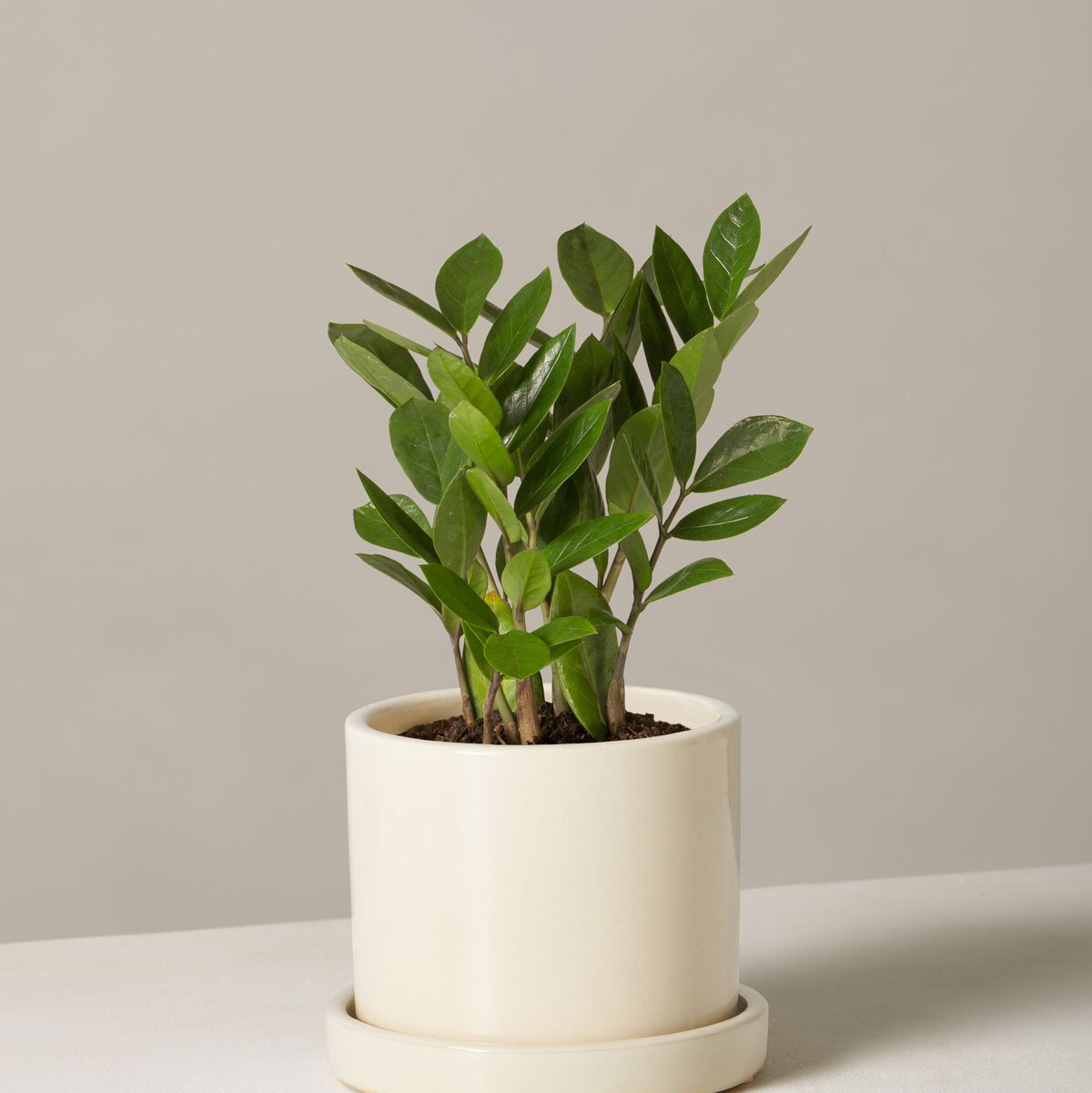
ZZ Plant

What's Wrong with My ZZ Plant?

Zamioculcas zamiifolia
Reviewed by Kiersten Rankel M.S.
Quick Answer
1.
Overwatering kills more ZZs than anything else.
The thick rhizome stores water for months. If in doubt, wait another week.
2.
Yellow leaves mean too much water.
The ZZ's reputation as an easy plant comes from its drought tolerance, not its thirst. When leaves go yellow, check the soil and the rhizome before adding more water.
3.
New stems pushing up mean the rhizome is healthy.
ZZs grow slowly, but any new shoot from the base is a good sign.
Stay on top of plant care
Get seasonal reminders for watering and fertilizing โ€” personalized for your plants.
Try Greg Free

Common ZZ Plant Problems

Yellow leaves

Overwatering

ZZ Plants store water in potato-like rhizomes underground. When the soil stays wet, the rhizomes can't breathe and begin to break down. The plant sheds leaves from the lower stems first as the roots fail.

1. Stop watering and let the soil dry out fully
2. Unpot the plant and press the rhizomes. Firm and tan is fine. Soft, dark, or mushy means rot has started
3. Trim any soft roots back to firm tissue with clean scissors
4. Repot in a well-draining mix and wait at least two weeks before the first watering
Normal leaf drop

ZZ Plants occasionally shed their oldest lower leaflets as they mature. If only a few leaflets near the base of a stem turn yellow and the rest of the stems stay firm and green, the plant is fine.

Mushy stems

Rhizome rot

This is late-stage overwatering. The rhizomes that sit below the soil have been saturated long enough to collapse. ZZ stems are held upright by these tubers, and once they're gone the stems have nothing to anchor them. By the time the stem feels soft at the base, the rot is serious.

1. Unpot the plant immediately and brush away the soil
2. Cut out any dark, mushy, or foul-smelling rhizome sections with clean scissors. Healthy rhizome is firm and pale tan
3. If healthy rhizome tissue remains, let cuts air-dry for a day, then repot in fresh fast-draining soil
4. If the rhizome is completely gone, take stem cuttings from the greenest sections and root them in water or moist soil

Drooping stalks

Overwatering

ZZ stalks stay stiff and upright when the rhizome beneath them is firm. Once the rhizome starts rotting from too much water, it can no longer support the stalks above, and they splay outward. Wet soil plus splayed stalks is a classic rot signal.

1. Stop watering and unpot to check the rhizome
2. If the rhizome is soft, cut away the damaged sections and repot in dry, gritty mix
3. Wait at least two weeks before the next small drink
Physical damage

Each ZZ stem is a single petiole growing directly from the rhizome. A stem that snaps or is bumped hard at the base may separate. The damage is cosmetic only and the rest of the plant is unaffected.

1. Remove the detached stem cleanly at the base
2. Place the stem in a jar of water or push the cut end into moist soil to propagate it, since it will slowly grow a new rhizome over several months
3. Leave the main plant as-is and it will continue growing from the remaining stems

Brown tips

Tap water sensitivity

ZZ's thick waxy leaflets don't shed and replace themselves often, so fluoride and mineral salts from tap water accumulate over time and scorch the tips. Because ZZs are watered infrequently, each watering delivers a concentrated dose of whatever is in the water.

1. Switch to filtered, distilled, or collected rainwater
2. Flush the pot once with clean water to wash out built-up salts
3. Trim brown tips at an angle with clean scissors just inside the brown margin
Overfertilizing

ZZ is a slow grower with low nutrient needs. Standard houseplant fertilizer doses build up as salts in the soil faster than the plant can use them, and the tips show the burn first.

1. Stop fertilizing for the rest of the season
2. Flush the pot with clean water to dilute salt buildup
3. When you resume, feed once or twice a year at half strength at most

Leggy stalks

Insufficient light

ZZ is sold as a low-light plant because it survives in shade, but new stalks only emerge compact and glossy in bright indirect light. In dim corners the stalks grow tall with long gaps between leaflets and a thinner, paler look. The old stalks stay fine. The new ones give it away.

Move the plant within a few feet of a bright window with indirect light. Rotate a quarter turn weekly so new stalks grow straight. Existing stretched stalks won't firm up, but new growth will come in denser.

Pests

Mealybugs

White cottony clumps in the tight joints where leaflets meet the stem. ZZ's dense, upright stalk structure creates sheltered spots that mealybugs exploit, and infestations can grow unnoticed until you look closely into the leaf axils.

1. Dab each cluster with a cotton swab dipped in 70% isopropyl alcohol
2. Follow up with an insecticidal soap spray coating leaflet undersides and joints
3. Check weekly for two months. Mealybugs return persistently
Spider mites

Fine webbing between leaflets and faint stippling on the glossy upper surface. ZZ's waxy cuticle makes early stippling easy to miss, so infestations often progress further than on thinner-leaved plants before the webbing makes them obvious.

1. Rinse the plant under a strong shower to knock mites off
2. Wipe every leaflet top and bottom with insecticidal soap or 70% isopropyl
3. Repeat every 3โ€“4 days for two weeks to catch hatchlings

Preventing ZZ Plant Problems

A few consistent habits prevent almost everything that goes wrong with a ZZ Plant.
Monthly Check
1
Water only when the soil is completely dry several inches down.
Push a finger or wooden skewer deep into the pot. Water only when there's no moisture at that depth. In most homes that means every 2โ€“4 weeks in summer and as rarely as once a month in winter.
2
Use a fast-draining mix in a pot with a drainage hole.
A cactus or succulent blend, or standard potting mix cut with extra perlite, keeps the rhizomes from sitting in moisture. The drainage hole is non-negotiable.
3
Never leave the pot sitting in water.
Empty the saucer within 30 minutes of watering. ZZ rhizomes don't need the extra moisture, and standing water is a fast route to rot.
4
Use filtered or distilled water if your tap water is heavily treated.
This prevents salt and fluoride buildup that shows up as brown leaf tips over time.
5
Fertilize once or twice a year at half strength, and no more.
ZZs grow slowly and have low nutrient needs. Fertilizing on a regular houseplant schedule causes salt buildup and burned leaf tips before the plant gets any benefit.
Stay on top of plant care
Get seasonal reminders for watering and fertilizing โ€” personalized for your plants.
Try Greg Free

About This Article

Kiersten Rankel M.S.
Botanical Data Lead at Greg ยท Plant Scientist
About the Author
Kiersten Rankel holds an M.S. in Ecology & Evolutionary Biology from Tulane University. A certified Louisiana Master Naturalist, she has over a decade of experience in science communication, with research spanning corals, cypress trees, marsh grasses, and more. At Greg, she curates species data and verifies care recommendations against botanical research.
See Kiersten Rankel's full background on LinkedIn.
Editorial Process
Every problem and fix in this article was verified against Greg's botanical database, cross-referenced with USDA hardiness zone data and published horticultural research from Missouri Botanical Garden and the Royal Horticultural Society. The Zamioculcas zamiifolia care profile reflects its documented East African drought-adapted biology and years of community grower feedback in Greg, where overwatering accounts for the majority of reported ZZ Plant problems.
47,887+ Greg users growing this plant
USDA hardiness zones 9bโ€“13b