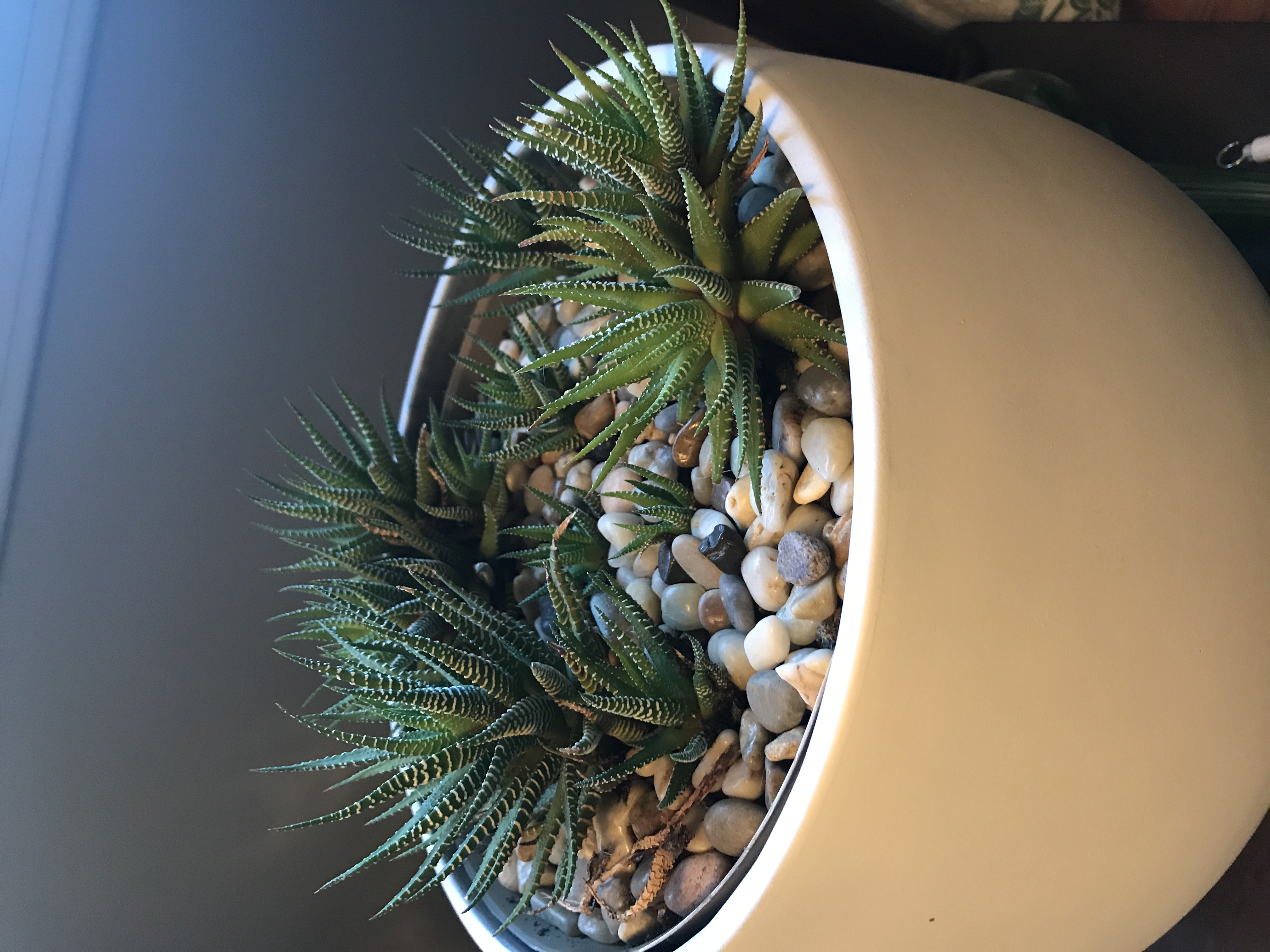
What's Wrong with My Zebra Plant?

Common Zebra Plant Problems
Mushy leaves
Zebra Plant leaves are packed with water-storing tissue behind those white bumpy stripes. When the soil stays wet too long, that tissue absorbs until it bursts from the inside, turning the lowest leaves translucent and soft. Rot climbs from the base up.
Faded leaves
Zebra Plant evolved in the rocky shade of South African scrubland, not open sun. Its dark green leaves bleach pale or flush red-brown when hit by prolonged direct midday or afternoon sun. The zebra stripe pattern fades as the background color washes out.
The bleached or reddened leaves will not recover their color, but new leaves will come in dark green. The plant should stabilize within a few weeks.
Leggy growth
Zebra Plant's natural form is a tight, compact rosette with leaves held upright and close together. In low light, the central stem stretches and the leaves spread wide apart, reaching for the nearest window. The distinctive white stripe pattern becomes less defined as leaves thin.
The stretched shape will not compress back. If the rosette has fully collapsed, cut the top off just below the newest healthy leaves and let it root in dry, gritty mix. The old base often pushes new offset pups.
Wrinkled leaves
Zebra Plant can go weeks without water, but once the leaf reserves are truly depleted the leaves pucker and feel soft rather than firm. Recovery is fast once the plant gets a thorough drink.
If they stay soft after watering, lift the plant and check the roots. Rot from overwatering can look identical to thirst from the outside.
Pests
White cottony clumps tucked into the tight joints where leaves press against the stem. Zebra Plant's densely packed, upright leaves give mealybugs ideal cover, and the white bumpy stripes on the leaves can make early infestations easy to overlook until the colony is large.
Preventing Zebra Plant Problems
About This Article
