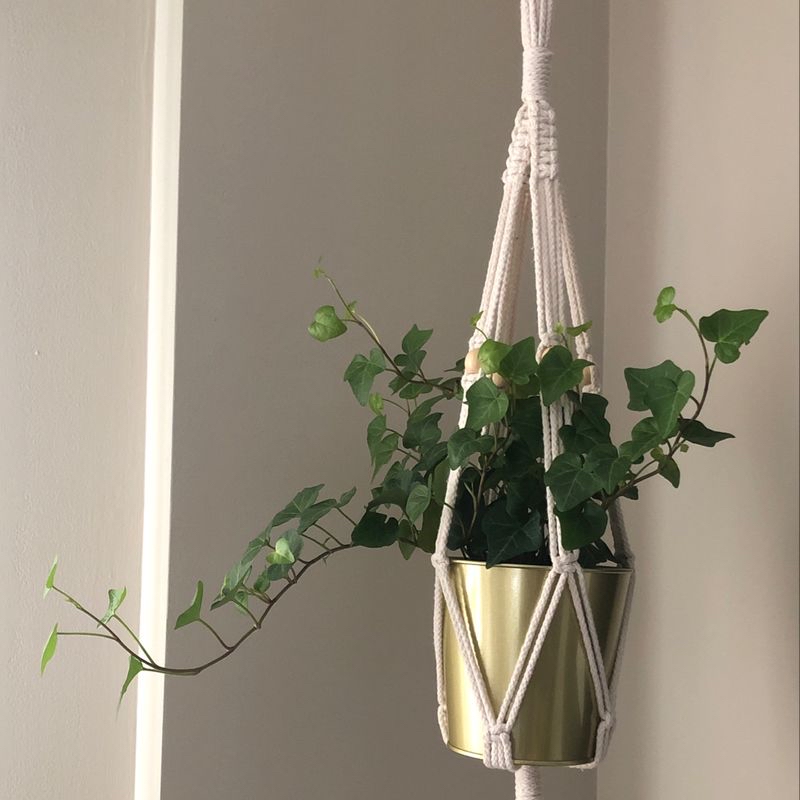
English Ivy

What's Wrong with My English Ivy?

Hedera helix
Reviewed by Kiersten Rankel M.S.
Quick Answer
1.
Spider mites are the top suspect indoors.
If leaves look dusty, stippled, or pale and you see fine webbing on the undersides, mites are almost certainly the cause. Dry indoor air is what invites them, and Ivy is the most mite-prone houseplant around.
2.
Low humidity causes most of the rest.
Crispy brown edges, leaf drop, and vulnerability to pests all connect back to dry air. Ivy prefers 50-60%+ humidity and suffers fast in heated rooms during winter.
3.
New vining tips mean it's still fighting.
Fresh stems pushing out with small glossy leaves at the tips are the clearest sign your Ivy is healthy. If you see that new growth, the plant is still in good shape and most problems are fixable.
Stay on top of plant care
Get seasonal reminders for watering and fertilizing โ€” personalized for your plants.
Try Greg Free

Common English Ivy Problems

Spider mites

Low humidity and dry indoor air

English Ivy is exceptionally attractive to spider mites. Its fine, densely clustered leaves and the dry indoor air of heated homes give mites everything they need to explode in numbers. Look for pale stippling or a dusty appearance on the upper leaf surface and fine webbing on the undersides, especially where stems meet.

1. Take the plant to a sink or shower and rinse it under a strong stream of water, soaking the undersides of every leaf
2. Wipe all leaf surfaces and undersides with insecticidal soap or a cloth dampened with 70% isopropyl alcohol
3. Repeat every three to four days for two weeks to break the hatching cycle
4. Move the plant to a cooler, more humid spot and run a humidifier nearby. Mites struggle in humid air above 50%

Crispy brown edges

Low humidity

English Ivy evolved in the cool, moist woodlands of Europe and naturally wants high humidity. In the dry air of heated or air-conditioned rooms, moisture evaporates from the leaf margins faster than the plant can replace it. The edges go brown and crunchy first because they're furthest from the main water supply running up the stem.

1. Move the plant away from heating vents and radiators
2. Run a humidifier nearby or group it with other plants to raise local humidity above 50%
3. The brown edges won't heal, but new growth should come in healthy once humidity improves

Yellow leaves

Overwatering

Ivy roots are shallow and fine, making them quick to rot when kept in waterlogged soil. When the roots fail, the plant pulls nutrients back from its oldest leaves first, and those start to yellow. Yellow leaves appearing at the base of the plant and spreading inward are the classic sign.

1. Check the soil. If it is wet or damp, stop watering immediately
2. Let the soil dry out most of the way before the next watering
3. If yellowing continues and the base of stems feels soft, take cuttings from firm healthy growth and root them in water
Normal aging

As Ivy sends out new vining growth, it sheds the oldest interior leaves to redirect energy. A handful of yellowing leaves tucked deep in the plant while the tips look healthy is normal turnover, not a problem.

Leaf drop

Sudden environmental change

English Ivy drops leaves quickly when stressed by a sudden shift in conditions. Moving the plant, a blast of cold air, or turning on the heat for winter can all trigger a drop within days. Ivy is more sensitive to environmental shock than most houseplants because it is adapted to stable, cool woodland conditions.

1. Move the plant to a stable spot away from vents, drafts, and cold windows
2. Keep temperatures between 60 and 70ยฐF and avoid placing it near heat sources
3. Once conditions stabilize, new growth should fill back in over a few weeks
Overwatering

Waterlogged soil rots Ivy's fine roots and the plant responds by dropping leaves as it sheds load it can no longer support. If leaves are dropping alongside yellowing and the soil feels wet, overwatering is likely.

1. Stop watering and let the soil dry substantially before the next drink
2. Check that the pot has a drainage hole. Ivy sitting in a saucer of standing water will continue to drop leaves
3. Resume watering only when the top inch of soil is dry to the touch

Leggy growth

Insufficient light

When light is too low, Ivy stretches its stems out with large gaps between leaves to reach more of it. The trailing vines look thin and the leaves are spaced far apart instead of forming the dense, leafy growth Ivy is known for. Variegated varieties are especially prone to this because the white or yellow parts of their leaves contain no chlorophyll and contribute nothing to photosynthesis.

1. Move the plant to a spot with bright indirect light, or close enough to a window that you can easily read by the natural light
2. Variegated forms need a brighter position than solid green Ivy to stay dense
3. Pinch back the longest, sparsest vines to encourage bushier new growth from the base

Dark spots on leaves

Fungal leaf spot

Outdoor Ivy and indoor Ivy kept in poor airflow can develop dark brown or black spots, sometimes with a yellow halo at the edge. Ivy's dense overlapping leaf cover traps moisture on the leaf surface, especially when watered overhead, creating ideal conditions for fungal growth. The spots spread from leaf to leaf through splashing water.

1. Remove and throw away all affected leaves. Do not compost them
2. Water at the base of the plant rather than overhead to keep leaves dry
3. Improve airflow around the plant by spacing it away from walls
4. Apply a copper-based fungicide if new spots continue to appear

Preventing English Ivy Problems

A few consistent habits prevent most of what goes wrong with English Ivy.
Weekly Check
1
Keep humidity above 50% year-round.
Low humidity is behind spider mites, crispy edges, and leaf drop. A humidifier nearby or grouping plants together makes a real difference, especially in winter when heating dries indoor air.
2
Water when the top inch of soil is dry.
Ivy's fine roots rot quickly in soggy soil. Letting the top inch dry before each watering prevents the overwatering that causes yellowing and leaf drop.
3
Give it bright indirect light.
A well-lit spot keeps growth dense and the plant vigorous. Variegated forms need more light than solid green varieties to stay full. Dim spots produce leggy, stretched vines.
4
Rinse the plant every two to three weeks.
A regular shower rinse knocks off early spider mite populations before they establish. It also clears dust that blocks light from the fine leaves.
5
Water at the base, not on the leaves.
Wet foliage encourages the fungal leaf spot that spreads through Ivy's dense leaf cover. Keeping water at soil level prevents the moisture buildup that fungal spores need.
Stay on top of plant care
Get seasonal reminders for watering and fertilizing โ€” personalized for your plants.
Try Greg Free

About This Article

Kiersten Rankel M.S.
Botanical Data Lead at Greg ยท Plant Scientist
About the Author
Kiersten Rankel holds an M.S. in Ecology & Evolutionary Biology from Tulane University. A certified Louisiana Master Naturalist, she has over a decade of experience in science communication, with research spanning corals, cypress trees, marsh grasses, and more. At Greg, she curates species data and verifies care recommendations against botanical research.
See Kiersten Rankel's full background on LinkedIn.
Editorial Process
Every problem and fix in this article was verified against Greg's botanical database, cross-referenced with USDA hardiness zone data and published horticultural research from Missouri Botanical Garden and Royal Horticultural Society. The Hedera helix care profile reflects 30,000+ Greg users growing this species both indoors in hanging baskets and outdoors as groundcover in zones 4โ€“9, alongside peer-reviewed sources on Araliaceae cultivation and spider mite integrated pest management.
33,277+ Greg users growing this plant
USDA hardiness zones 4aโ€“9b