Common Banana Problems & How to Fix Them
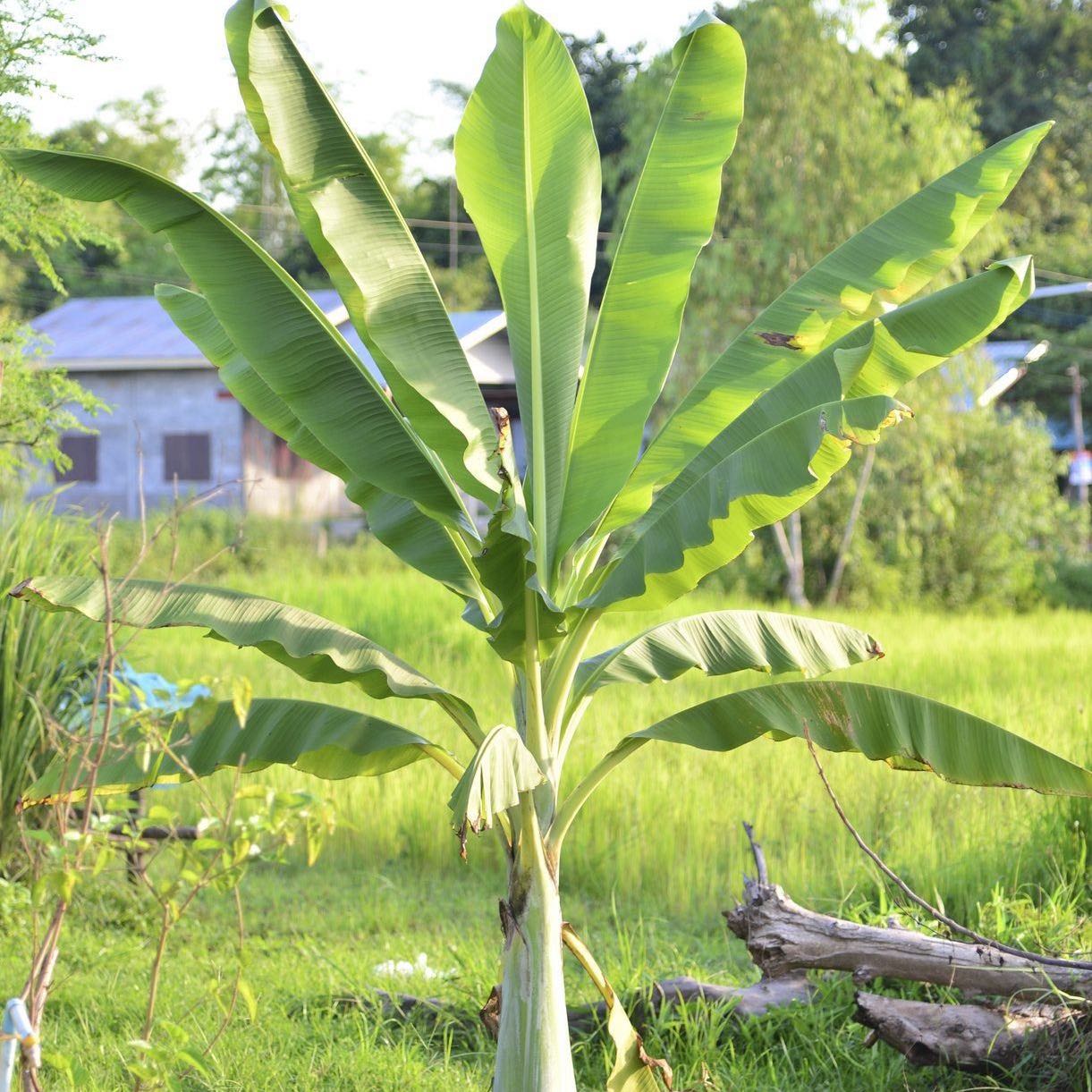
Musa acuminata is a tropical tree-sized monocot — essentially a giant herb with leaves that evolved for rainforest humidity and full equatorial sun. In zones 9–11 it grows outdoors year-round, sometimes fruiting in a season or two. Anywhere cooler means a greenhouse, conservatory, or a bright indoor spot with a humidifier and room to sprawl.
Almost every banana problem traces back to the same four deficits: not enough light, not enough water, not enough warmth, or not enough humidity. Outdoor plants in their zone rarely see these — problems cluster indoors, in container growing, and at the cold edge of the hardy range.

Common Banana Problems
Brown edges
The #1 indoor banana complaint. Low humidity is the top cause — bananas want 60%+ and most indoor air sits at 30–40%, especially in heated winters.
Run a humidifier nearby, group with other tropicals, or move the plant to a bathroom with natural humidity. Dampened pebble trays help marginally; actual humidifiers help a lot.
Persistent brown tips despite high humidity point to tap water salt buildup (chlorine, fluoride, minerals). Switch to filtered water, rainwater, or let tap water sit uncovered for 24 hours. Occasionally flush the pot with 3× its volume of clean water to clear accumulated salts.
Yellow leaves
The lower leaves yellowing one at a time as new leaves emerge is normal — bananas constantly replace old leaves with new ones.
Widespread yellowing across multiple leaves points to overwatering or nutrient deficiency. Check the soil: soggy 2 inches down means rot is starting — let it dry out and repot in fresh, well-draining mix if severe. If the soil drains well but leaves yellow evenly, feed with a balanced liquid fertilizer every 2 weeks during active growth.
Pale yellow new leaves with green veins is iron chlorosis — usually from cold soil or alkaline tap water. Switch to filtered water and warm the pot.
Leaf spots
Brown or black spots on the leaves are almost always fungal. Cercospora (yellow Sigatoka) makes small yellow-then-brown spots with dark halos. Cordana leaf spot makes larger brown ovals with yellow edges. Both spread in wet leaves and stagnant air.
Remove affected leaves with sterile scissors. Stop misting and water the soil only, never the leaves. Improve airflow with a small fan nearby. A copper-based fungicide helps stop active spread in severe cases.
Occasional dark spots on the oldest leaves alone are usually just cold damage or bruising — not infectious. Focus on new growth.
Not growing
A banana that hasn't pushed a new leaf in 3+ weeks during the growing season has hit one of four limits — all four need to be right for bananas to thrive.
Temperature: bananas slow dramatically below 65°F and stop entirely below 55°F. Warm the room or move the plant out of drafts. Light: bananas need full sun or very bright indirect light all day. Low light means no new leaves. Water: soil should stay consistently moist during active growth. Humidity: below 50% stalls leaf emergence.
Also check the pot. A root-bound banana stops producing new leaves until repotted into something larger. Bananas in winter typically slow or pause entirely — that's normal dormancy, not a problem.
Torn leaves
Torn leaves are mostly normal — banana leaves evolved with weak perpendicular veins that tear in wind so the whole leaf doesn't rip off in a storm. Indoor bananas tear from drafts, touches, or being brushed past.
Move the plant away from AC vents, open windows, and high-traffic areas. Damaged leaves stay damaged but the plant keeps pushing new ones — if new leaves come in whole, you're fine.
If new leaves emerge already torn or misshapen, the problem is at the growth point: too-small pot, nutrient deficiency, or pest damage at the spear. Check there first.
Root rot
A soft, darkened stem at the soil line or a sour-smelling pot means root rot from waterlogged soil.
Unpot immediately, wash the roots clean, and cut away any black or mushy sections back to firm white tissue. Dust cuts with cinnamon, let the root ball air-dry for a few hours, then replant in fresh fast-draining mix (50% potting soil, 30% perlite, 20% orchid bark).
If the pseudostem is mushy above the soil line, the plant can't be saved — but any firm pups at the base can be separated and replanted. Bananas produce offsets throughout their life.
Preventing Banana Problems
About This Article
