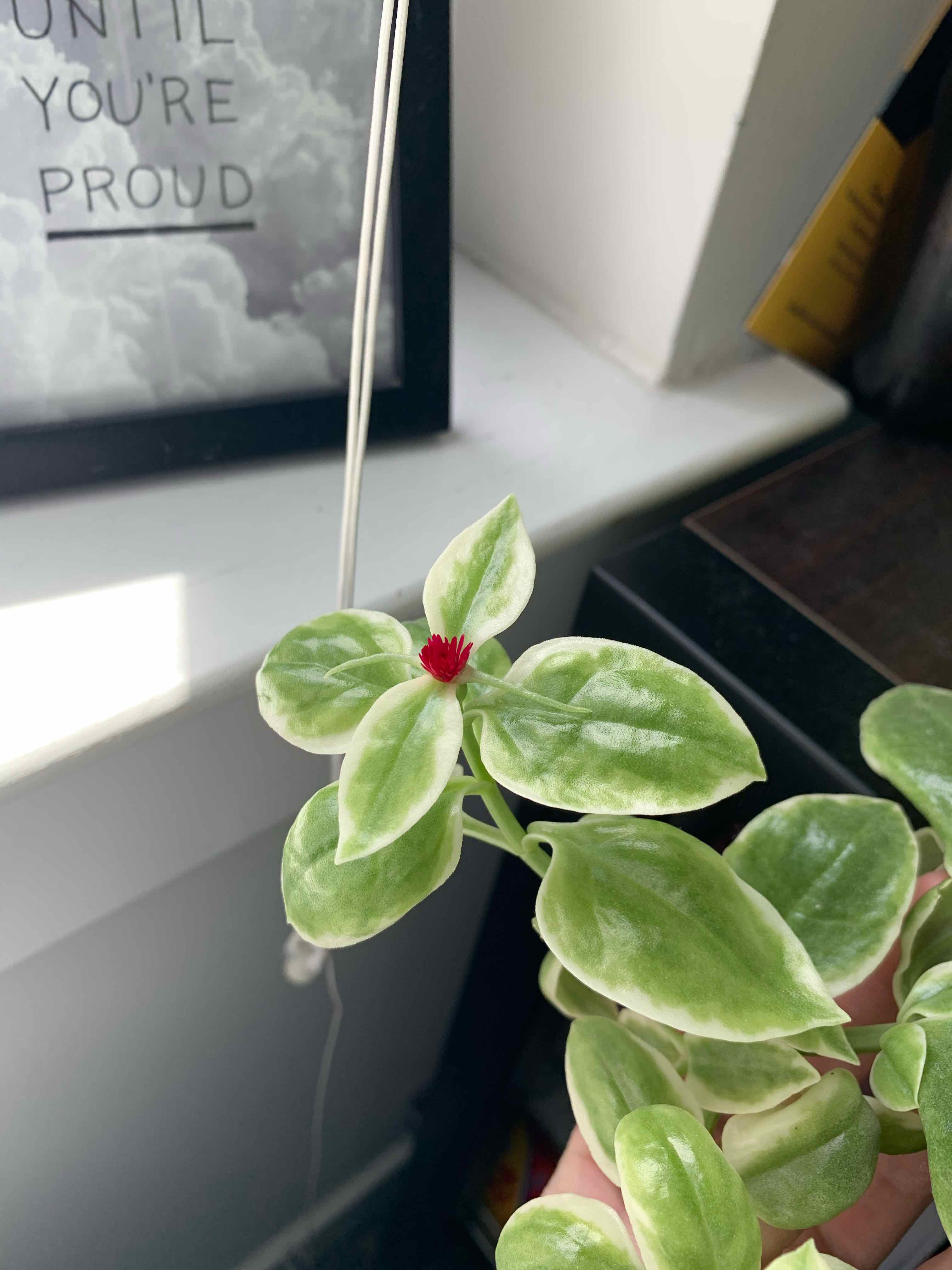
Baby Sun Rose

What's Wrong with My Baby Sun Rose?

Aptenia cordifolia
Reviewed by Kiersten Rankel M.S.
Quick Answer
1.
Overwatering is behind most problems.
Baby Sun Rose stores water in its fleshy heart-shaped leaves and rots fast in wet soil. Check the soil first. If it is damp and the stems feel soft at the base, that is your answer.
2.
Check light if watering looks right.
Not enough direct sun stops flowering, drains the leaf color, and causes stems to stretch and flop. Baby Sun Rose is a full-sun plant from the South African coast and needs several hours of direct sun to thrive.
3.
New trailing growth and fresh buds mean it is fighting.
If the plant is pushing new heart-shaped leaves along the trailing stems and forming flower buds on sunny days, it has enough reserves to recover from whatever else is going wrong.
Stay on top of plant care
Get seasonal reminders for watering and fertilizing โ€” personalized for your plants.
Try Greg Free

Common Baby Sun Rose Problems

Mushy stems

Overwatering rot

Baby Sun Rose stores water in the succulent cells of its leaves and stems. When the soil stays wet, those cells absorb past capacity and burst, turning stems soft and translucent at the base. Rot climbs the trailing stems fast once it takes hold at the roots.

1. Pull the plant from the pot and cut all soft, brown stem tissue back to firm green growth
2. Let the cut ends air-dry on the counter for a day so they can callus
3. Repot in dry, gritty cactus mix and wait two weeks before the first light watering
4. Take cuttings from healthy stem tips to propagate as backup if the main plant is heavily affected

Wilted stems

Underwatering

Baby Sun Rose wilts dramatically when the soil runs completely dry, because the shallow roots can no longer supply water to the long trailing stems. The whole plant can look collapsed and done for, but the recovery is fast once it gets a drink.

Soak the soil thoroughly until water drains from the bottom. The stems should firm back up within a few hours to a day.

If they stay wilted after watering, press the base of a stem near the soil. Rot from prior overwatering can cause the same collapsed look while destroying the roots below.

No flowers

Not enough direct sun

Baby Sun Rose's bright pink, red, or yellow daisy-like flowers only open in direct sunlight and only form on plants getting several hours of it per day. In too little light the plant stays alive but channels all energy into leaf growth and never sets buds. Flowers may also close on cloudy days, which is normal.

Move to a spot with at least four to six hours of direct sun daily. A south or west-facing window, a sunny patio, or an outdoor position in warm months will trigger budding within a few weeks.

Flowers that close at night or on overcast days are not a problem. Baby Sun Rose flowers are heliotropic and behave this way naturally.

Leggy growth

Not enough light

Baby Sun Rose is a fast-growing groundcover from sun-drenched South African coastal cliffs. Without enough direct light, the trailing stems elongate rapidly, the heart-shaped leaves become smaller and more widely spaced, and the plant loses its dense cascading form.

Move to the brightest spot available with at least four to six hours of direct sun. The stretched stems will not compact back, but new growth that follows will be denser.

Trim the leggy stems back by a third to a half to encourage bushy branching from the cut points.

Pests

Mealybugs

Mealybugs show up as white cottony clumps tucked into the joints where leaves meet stems. Baby Sun Rose's dense trailing habit and closely spaced leaf axils give them plenty of sheltered spots to build colonies before the sticky honeydew makes them obvious.

1. Dab every visible cluster with a cotton swab dipped in 70% isopropyl alcohol
2. Follow up with an isopropyl spray over the whole plant, working into each leaf joint
3. Repeat every five to seven days for three weeks to catch newly hatched eggs
Aphids

Soft green or yellow insects clustered on the flower buds and at the tips of actively growing stems. Baby Sun Rose's frequent budding creates a steady supply of the soft new tissue that aphids target, making the flowering tips the first place to check.

1. Knock aphids off with a firm spray of water aimed at the stem tips and flower buds
2. Follow up with insecticidal soap, coating the tips and the undersides of any affected leaves
3. Repeat every four to five days until no new colonies appear

Preventing Baby Sun Rose Problems

A few consistent habits prevent most of what goes wrong with Baby Sun Rose.
Weekly Check
1
Water only when the soil is completely dry.
Baby Sun Rose is drought-tolerant once established and stores water in its fleshy leaves. In most conditions that means watering every ten to fourteen days in warm months and far less in winter. Keeping the soil even slightly moist between waterings is how stem rot starts.
2
Plant in very fast-draining soil in a pot with a drainage hole.
A mix of cactus soil and coarse perlite keeps the shallow roots from sitting in moisture. Standing water is the fastest route to mushy stems on this plant.
3
Give it full direct sun for at least four to six hours daily.
A south or west-facing window or an outdoor spot in warm weather keeps the stems compact, the leaves vivid, and the flowers coming. Low light triggers stretching and stops flowering.
4
Trim the stems back after heavy flowering.
Cutting trailing stems back by a third keeps the plant dense and encourages a fresh flush of growth and buds. Left untrimmed, stems get leggy and flower production drops.
5
Check the leaf joints whenever you water.
Mealybugs hide deep in the dense leaf axils of Baby Sun Rose. Catching them early means a cotton swab and a few minutes rather than weeks of repeat treatment.
Stay on top of plant care
Get seasonal reminders for watering and fertilizing โ€” personalized for your plants.
Try Greg Free

About This Article

Kiersten Rankel M.S.
Botanical Data Lead at Greg ยท Plant Scientist
About the Author
Kiersten Rankel holds an M.S. in Ecology & Evolutionary Biology from Tulane University. A certified Louisiana Master Naturalist, she has over a decade of experience in science communication, with research spanning corals, cypress trees, marsh grasses, and more. At Greg, she curates species data and verifies care recommendations against botanical research.
See Kiersten Rankel's full background on LinkedIn.
Editorial Process
Every problem and fix in this article was verified against Greg's botanical database, cross-referenced with USDA hardiness zone data and published horticultural research from the Missouri Botanical Garden, university extension programs, and species-specific literature. The Aptenia cordifolia care profile reflects documented species behavior combined with years of community grower feedback in Greg.
5,218+ Greg users growing this plant
USDA hardiness zones 9aโ€“11b