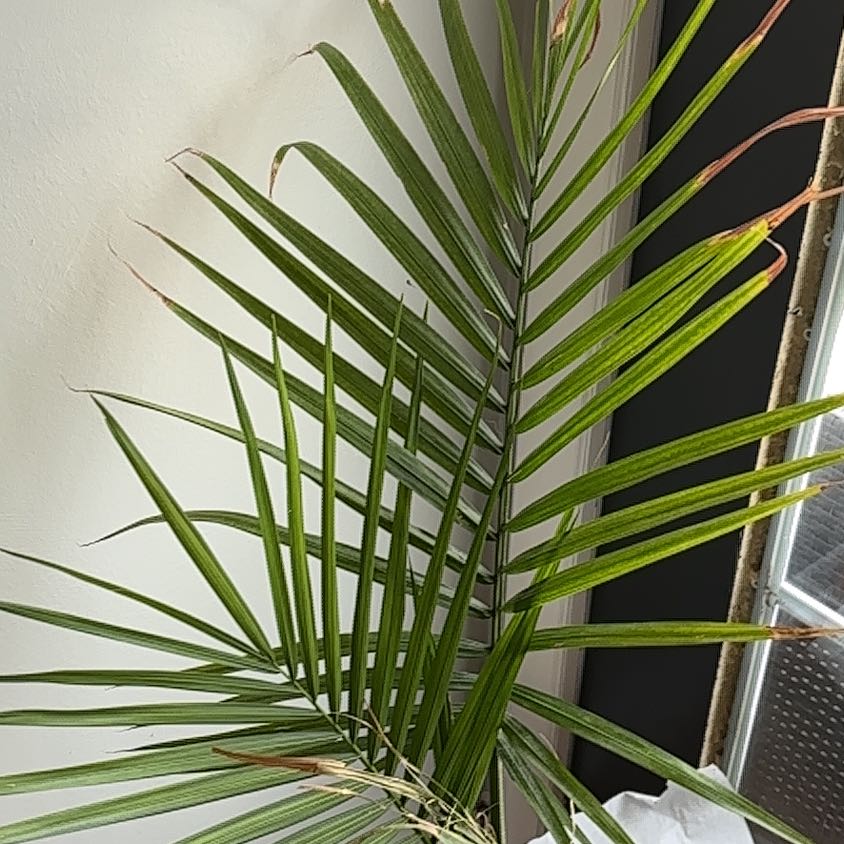
Best Pot for Majesty Palm
What Size Pot Does a Majesty Palm Need?
Majesty Palm develops a deep, vigorous root system and grows up to 20 feet tall outdoors, so it needs a substantial pot. Indoors, a pot that is 2 inches wider and a few inches deeper than the root ball gives the roots room to grow without holding too much extra moisture.
When sizing up, move to a pot 2-3 inches wider. This palm grows moderately fast, so you will likely need to repot every 1-2 years while it is young.
If the palm starts tipping over or roots are pushing up from the soil surface, it has outgrown its pot. A heavy ceramic or stone pot can help with stability as the plant gets taller.
What Material Pot Is Best for Majesty Palm?
Majesty Palm comes from riverbanks in Madagascar, so its roots are adapted to consistently moist soil. The root system is dense and deep, needing a pot that retains moisture between waterings without becoming waterlogged.
For larger specimens, pot weight matters too. A top-heavy palm in a lightweight pot tips over easily, so heavier materials pull double duty by keeping the soil moist and the plant upright.
Majesty Palms are tropical plants that love moisture and have very little tolerance for dry soil. Every material on the spectrum works, but the moisture-retaining options tend to be the easiest to manage.
Glazed ceramic is an excellent choice. It holds water well and provides the weight needed to keep a tall palm upright. Unglazed ceramic offers similar stability with a bit more breathability, though you'll water more often.
Plastic is lightweight and practical, especially for large palms, but you may need a weighted base to prevent tipping. Metal works well indoors for the same reasons. Fabric pots are the trickiest option here since they dry fast, but they can work in a humid room with frequent watering.

Does My Majesty Palm Need Drainage Holes?
Yes. Majesty Palm loves moist soil, but standing water leads to root rot and yellowing fronds. Drainage holes let excess water escape so the roots stay damp without drowning.
If you are using a decorative pot without holes, place the palm in a plastic nursery pot inside it. Remove and drain after watering. This is especially important for large pots where water can pool at the bottom unnoticed.
When Should I Repot My Majesty Palm?
Majesty Palm grows moderately fast and typically needs repotting every 1-2 years while young. Once it reaches its target indoor size, you can slow things down by repotting every 2-3 years. The best time to repot is in spring or early summer.
When repotting, gently untangle any circling roots and place the palm at the same depth it was growing before. Water thoroughly after repotting and keep it in bright, indirect light for a few weeks.
For very large palms that are difficult to repot, top-dressing works well. Remove the top 2-3 inches of old soil each spring and replace it with fresh potting mix.
When Can I Plant My Majesty Palm in the Ground?
Majesty Palm can go in the ground year-round in USDA zones 9b through 11b. It thrives in moist, slightly acidic soil with partial shade. In the landscape, it grows much larger than indoors, potentially reaching 15-20 feet.
In cooler zones, keep it in a container and bring it indoors before temperatures drop below 35F. Majesty Palm has very little frost tolerance, and even brief exposure to freezing temperatures can damage the fronds and crown.
Got More Questions?
About This Article
