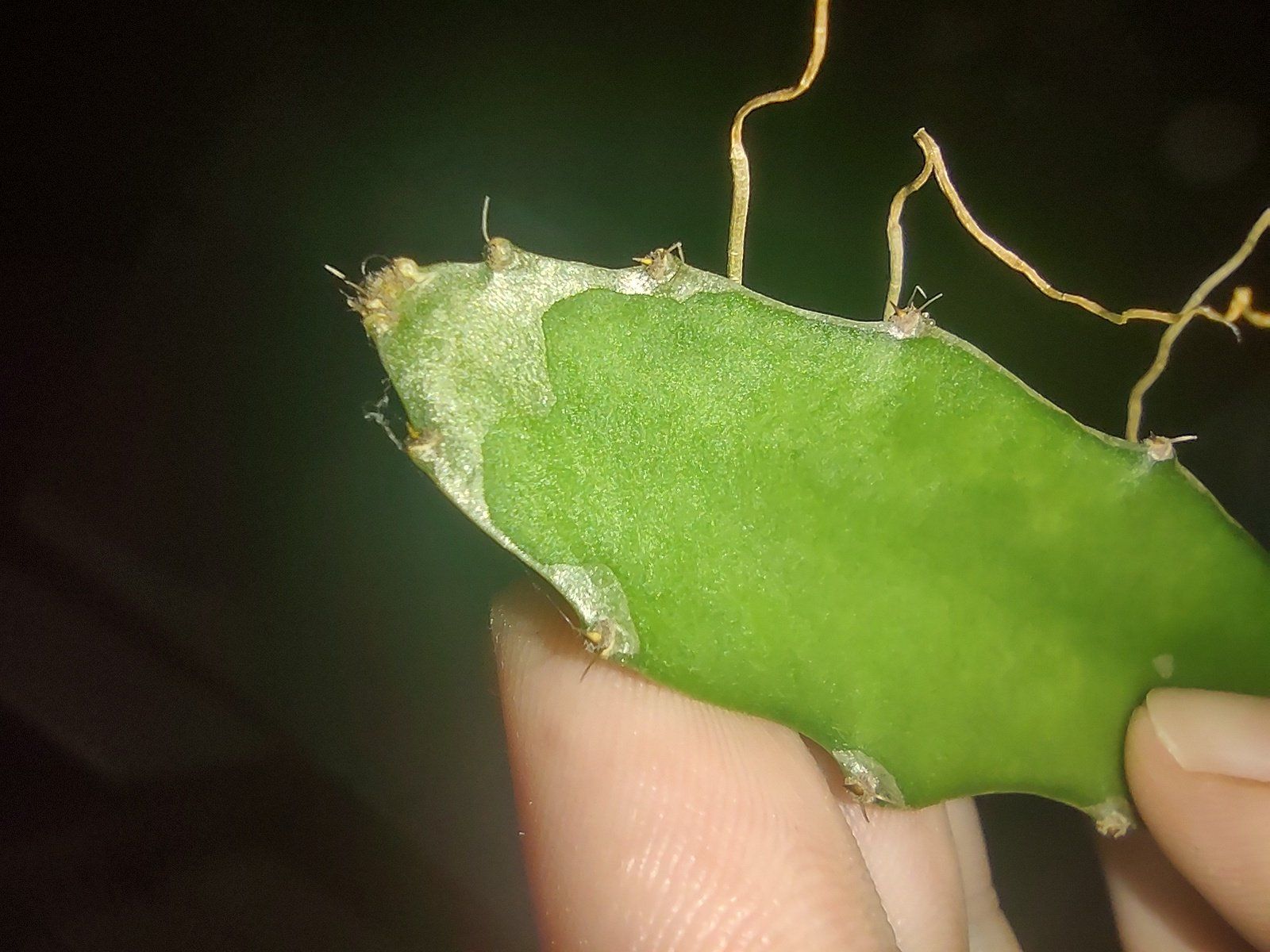
Dragon Fruit does best in a wide, unglazed ceramic or fabric pot with generous drainage holes. Start with at least a 15-inch pot for young plants, as these cacti grow fast and need room. The pot material should allow the soil to dry out between waterings.
What Size Pot Does a Dragon Fruit Need?
Dragon Fruit is a climbing cactus that develops a surprisingly large root system to support its heavy, sprawling stems. Start with a pot at least 15 inches wide and 12 inches deep. Unlike most houseplants, dragon fruit benefits from a generous pot right from the start.
As the plant matures, move to a 20-25 inch container. The pot also needs to be sturdy enough to support a trellis or stake, since dragon fruit stems can reach 10-20 feet and need something to climb.
Young cutting (under 1 ft)10–12" pot
Established plant (1–3 ft)15–18" pot
Fruiting plant (3+ ft)20–25" pot
What Material Pot Is Best for Dragon Fruit?
Dragon Fruit is a cactus, and its roots need excellent aeration. Soggy soil leads to stem rot at the base, which can kill the entire plant quickly. A pot material that allows the soil to dry out between waterings is essential.
Because dragon fruit is often grown outdoors in full sun, pot temperature matters too. Dark-colored pots in direct sunlight can overheat the root zone, so lighter colors or breathable materials work best.
Dries fastest → Slowest
Best for Dragon Fruit
Fabric
Excellent drainage and airflow make fabric a top choice for dragon fruit, especially in humid climates.
Unglazed Ceramic
Breathable and heavy enough to anchor a trellis. The weight keeps tall plants from tipping.
Wood
Good drainage and natural look, though the wood may break down faster with frequent watering cycles.
Glazed Ceramic
Holds moisture longer than ideal for a cactus. If you use glazed, add extra perlite to the soil and water less often.
PlasticTOO SLOW
Retains too much moisture for cactus roots, increasing the risk of stem rot at the base.
MetalOVERHEATS
Conducts heat rapidly in direct sun, cooking the roots. Dragon fruit is typically grown outdoors where this is a real problem.
Dragon Fruit is a climbing cactus that needs fast drainage to keep its roots healthy. The best pot materials are on the fast-drying end of the spectrum, with fabric and unglazed ceramic topping the list.
Unglazed ceramic has the added benefit of weight, which helps anchor the trellis that dragon fruit needs for support. Fabric is excellent in humid climates where extra airflow makes a real difference. Wood and glazed ceramic can work too, though with glazed you'll want to add extra perlite to the soil.
Avoid plastic and metal. Plastic traps too much moisture for cactus roots, and metal gets dangerously hot in the direct sun where dragon fruit is typically grown outdoors.
Stay on top of plant care
Get seasonal reminders for watering and fertilizing — personalized for your plants.
Yes, and plenty of them. Dragon Fruit is a cactus that rots quickly in waterlogged soil. One small hole is not enough for a large container. Look for pots with multiple drainage holes, or drill extra ones yourself.
Raise the pot slightly off the ground with pot feet or a plant stand. This prevents the drainage holes from sitting in a puddle and ensures air circulates under the pot.
When Should I Repot My Dragon Fruit?
Dragon Fruit grows fast and may need repotting every 1-2 years while young. Once it reaches a 20-25 inch pot, you can refresh the top few inches of soil annually instead of upsizing.
Repot in spring or early summer. Handle the stems carefully since the spines are small but sharp. Wear thick gloves or wrap the stems in newspaper. Use a cactus potting mix or blend regular potting soil with equal parts perlite and coarse sand.
After repotting, wait 3-5 days before watering to let any root damage heal. This prevents rot at the cut points.
Signs It's Time to Repot
Roots filling the pot and pushing through drainage holes
Growth slowing despite warm weather and full sun
Stems turning yellow or pale at the base
Plant becoming top-heavy and unstable on its trellis
When Can I Plant My Dragon Fruit in the Ground?
Dragon Fruit is hardy in USDA zones 10a through 12b. In these warm climates, plant it in a sunny spot with sandy, well-draining soil. Install a sturdy trellis or post at planting time, since the vines will need support immediately.
In cooler zones, grow dragon fruit in a large container that you can move indoors when temperatures drop below 40°F. It handles brief dips to 32°F but prolonged frost kills the stems. Even in borderline zones, a container gives you the flexibility to protect the plant during cold snaps.
Got More Questions?
Can I use a pot without drainage holes for Dragon Fruit?
No. Dragon Fruit is a cactus that will rot in standing water. Always use a pot with multiple drainage holes, and consider raising it off the ground for extra airflow.
How do I know if my Dragon Fruit's pot is too big?
Dragon fruit actually handles larger pots better than most plants. If the soil stays wet for more than 5-7 days, add more perlite to the mix rather than downsizing the pot.
Do I need a trellis in the pot?
Yes. Dragon fruit is a climbing cactus that needs support. Install a sturdy wooden or metal post in the center of the pot at planting time. The stems will cling to it as they grow.
Can I grow Dragon Fruit in a grow bag?
Grow bags are actually excellent for dragon fruit. The fabric provides superb drainage and root aeration. Use at least a 15-gallon bag and secure your trellis post firmly in the soil.
Should I put rocks at the bottom of my Dragon Fruit pot?
Skip the rocks. They actually create a perched water table that keeps the soil above them wetter. Instead, use a fast-draining cactus mix throughout the entire pot.
Stay on top of plant care
Get seasonal reminders for watering and fertilizing — personalized for your plants.
Kiersten Rankel holds an M.S. in Ecology & Evolutionary Biology from Tulane University. A certified Louisiana Master Naturalist, she has over a decade of experience in science communication, with research spanning corals, cypress trees, marsh grasses, and more. At Greg, she curates species data and verifies care recommendations against botanical research.
See Kiersten Rankel's full background on LinkedIn.
Editorial Process
Container guidance verified against Selenicereus monacanthus growth data from Greg's botanical database, cross-referenced with USDA hardiness zone data and published horticultural research.