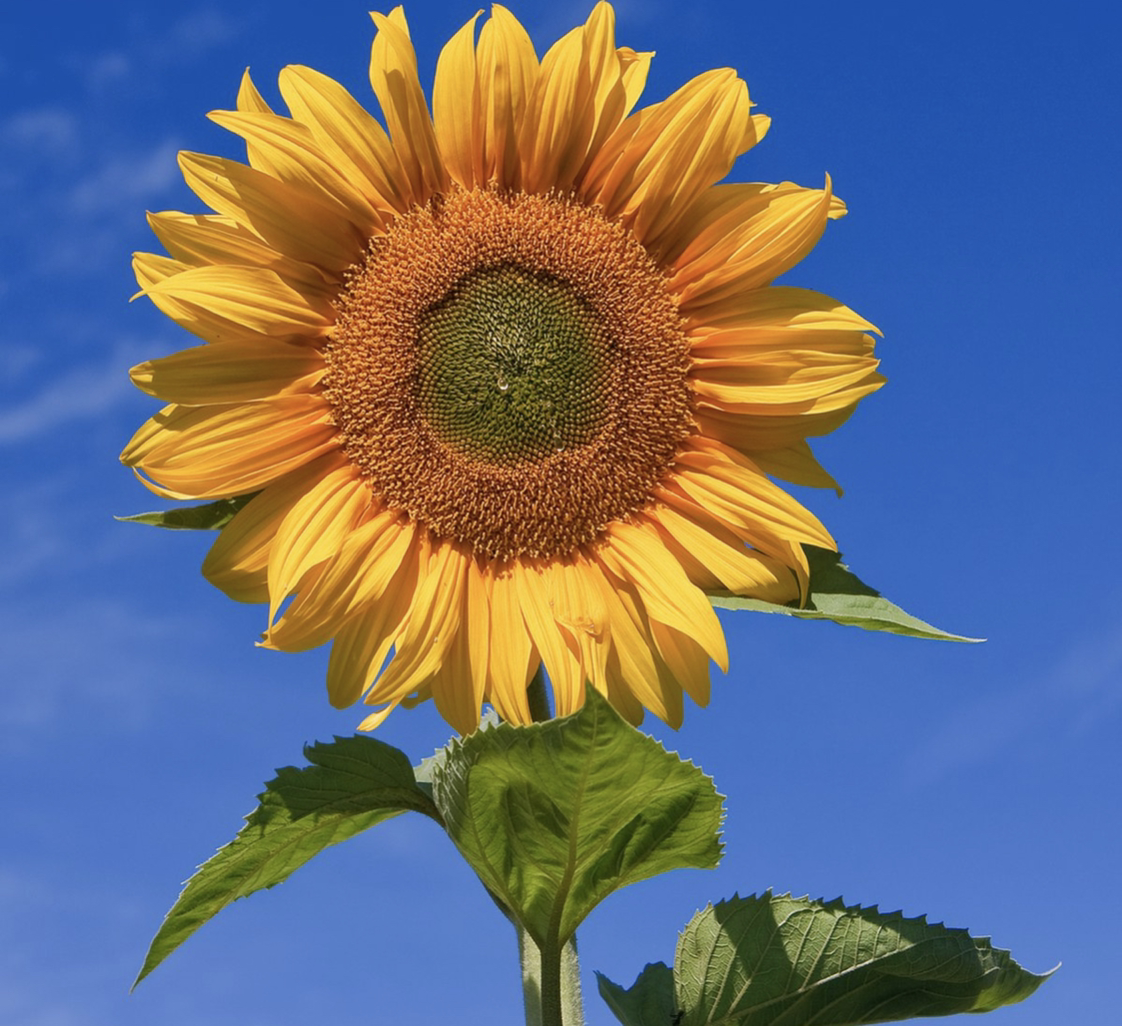
Sunflowers need deep, sturdy pots, at least 5 gallons for dwarf varieties and 10+ gallons for tall types. Plastic or glazed ceramic work best since they retain the moisture sunflowers drink up fast. Drainage holes are a must.
What Size Pot Does a Common Sunflower Need?
Sunflowers develop a strong taproot that drives straight down, so depth matters more than width. Dwarf varieties can manage in a 12-inch deep pot, but standard sunflowers that reach 6 feet or taller need at least 16-18 inches of soil depth.
Choose a pot that is sturdy enough to support a top-heavy plant. Tall sunflowers act like sails in the wind, so a lightweight plastic pot may need extra weight at the base or a wider footprint to prevent tipping.
One sunflower per pot is the rule for standard varieties. Dwarf types can share a large container with 6-8 inches between plants.
Seedling (just sprouted)4–6" pot
Dwarf variety (1–3 ft)10–14" pot (3–5 gal)
Standard variety (4–8 ft)16–20" pot (10–15 gal)
Giant variety (8+ ft)20–24" pot (15–20 gal)
What Material Pot Is Best for Common Sunflower?
Sunflower roots need steady moisture and a pot that can handle their vigorous, fast-growing taproot. These plants drink heavily throughout the growing season, especially once the flower head starts developing, so the pot should not dry out too quickly between waterings.
Stability is also a factor. A tall sunflower in a lightweight pot can blow over in a strong breeze, so heavier materials or a wide base help keep things upright.
Dries fastest → Slowest
Best for Common Sunflower
Fabric
Works for dwarf varieties, but you will water very frequently since fabric dries out fast in full sun.
Unglazed Ceramic
Heavy enough to anchor tall plants, with breathable walls that keep roots healthy.
Wood
Good moisture retention and natural insulation, plus enough weight to keep pots stable.
Glazed Ceramic
Retains moisture well and adds stability, making it a solid choice for thirsty sunflowers.
Plastic
Affordable and holds moisture well, but may need extra weight at the base for tall varieties.
MetalOVERHEATS
Metal pots get dangerously hot in the full sun sunflowers require, damaging roots along the pot walls.
Sunflowers are thirsty, sun-loving annuals that drink a lot of water during their growing season. Most pot materials work well as long as they have drainage holes. The main thing to avoid is metal, which gets dangerously hot in the full sun sunflowers need and can burn their roots.
Unglazed ceramic and wood are standout choices because they add weight at the base, keeping tall sunflowers from tipping over in wind. If you go with a lighter material like plastic, consider placing rocks in the bottom for extra stability.
Stay on top of plant care
Get seasonal reminders for watering and fertilizing — personalized for your plants.
Yes. Sunflowers drink a lot, which means you are watering frequently. All that water needs somewhere to go, or the soil stays waterlogged and roots suffocate.
Make sure your pot has at least 2-3 drainage holes. Sunflowers are fairly tough plants, but even they will develop root problems in standing water.
When Should I Repot My Common Sunflower?
Sunflowers are annuals, so you will not repot them in the traditional sense. Start seeds in small pots and transplant into the final container once seedlings are 3-4 inches tall with 2-3 sets of true leaves.
Move them into their permanent pot before the taproot hits the bottom of the starter container. Once a sunflower's taproot starts circling, the plant never quite recovers its full height potential.
Transplant in the evening or on a cloudy day to reduce shock. Water deeply right after and keep the soil moist for the first week.
Signs It's Time to Repot
Seedling is 3-4 inches tall with true leaves
Taproot visible through the bottom of the starter pot
Plant looks leggy or pale in its current small container
Soil dries out within hours of watering
When Can I Plant My Sunflower in the Ground?
Common Sunflowers grow in USDA zones 2a through 11b as a warm-season annual. Direct sow seeds or transplant seedlings outdoors after the last frost, once soil temperatures reach at least 55F. Sunflowers are not fussy about soil type, but they do need full sun for at least 6-8 hours daily.
In-ground sunflowers almost always outperform container-grown ones since their taproot can reach 2-3 feet deep. If you have garden space, planting directly in the ground is the best option for tall varieties.
Got More Questions?
Can I grow a sunflower in a pot without drainage holes?
No. Sunflowers need frequent watering, especially in full sun, and without drainage the soil becomes waterlogged fast. Always use a pot with holes in the bottom.
How do I know if my sunflower pot is too big?
For sunflowers, a too-big pot is rarely a problem. The real risk is going too small, which stunts the taproot and limits the plant's height and flower size.
How do I keep my potted sunflower from tipping over?
Use a heavy pot material like ceramic, place rocks in the bottom for ballast, or set the pot inside a larger weighted planter. Staking the stem also helps for tall varieties.
Can I grow a tall sunflower variety in a container?
You can, but it takes a very large pot, at least 15 gallons, and some staking. Dwarf varieties like Teddy Bear or Sunspot are much easier to grow in containers.
Should I start sunflower seeds indoors or directly in the pot?
Either works. Starting indoors gives you a head start in short-season climates. Just transplant early, before the taproot outgrows its starter pot.
Stay on top of plant care
Get seasonal reminders for watering and fertilizing — personalized for your plants.
Kiersten Rankel holds an M.S. in Ecology & Evolutionary Biology from Tulane University. A certified Louisiana Master Naturalist, she has over a decade of experience in science communication, with research spanning corals, cypress trees, marsh grasses, and more. At Greg, she curates species data and verifies care recommendations against botanical research.
See Kiersten Rankel's full background on LinkedIn.
Editorial Process
Container guidance verified against Helianthus annuus growth data from Greg's botanical database, cross-referenced with USDA hardiness zone data and published horticultural research.