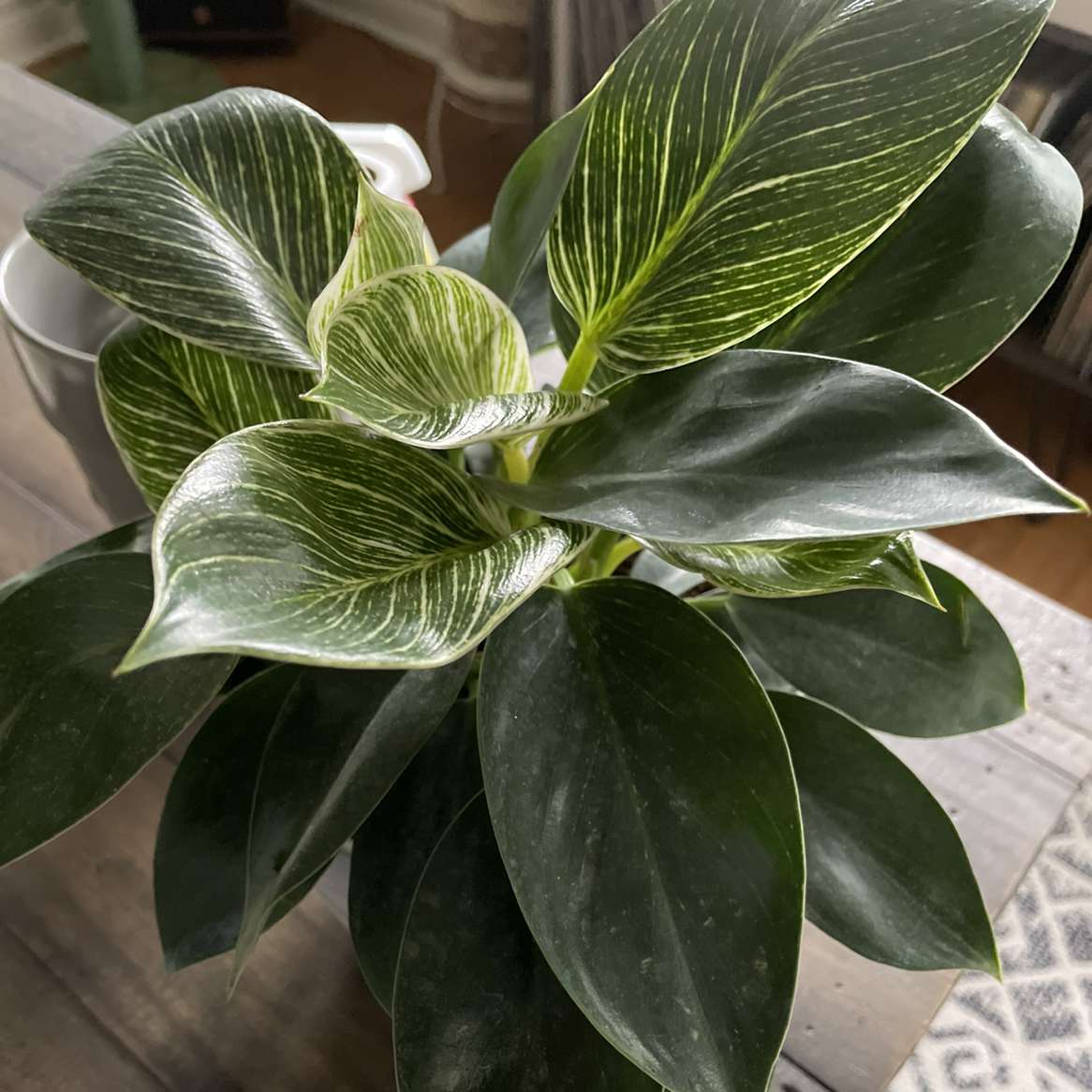
Canna Lilies need a large pot, at least 12 inches wide, made from plastic or glazed ceramic with drainage holes. Their thick rhizomes spread fast, so give them plenty of room. Use a heavy, moisture-retaining pot to keep up with their big water demands.
What Size Pot Does a Canna Lily Need?
Cannas are vigorous growers with thick, spreading rhizomes that need serious room. Start with a pot at least 12 inches wide for a single rhizome. If you're planting a group for a fuller display, use a 16-18 inch container or larger.
These plants can reach 4-6 feet tall in a single season, so the pot needs enough weight and width to keep things stable. A shallow pot will tip over once the foliage gets going.
Go deeper rather than wider if you have to choose. Canna roots grow down as well as out, and a deep pot gives the rhizomes room to multiply without getting cramped.
Single rhizome12–14" pot
Small group (2-3 rhizomes)16–18" pot
Full display (4+ rhizomes)20–24" pot
What Material Pot Is Best for Canna Lily?
Canna Lilies are tropical, moisture-hungry plants with thick rhizomes that store energy for rapid growth. Their roots need consistent moisture and warm soil temperatures to fuel the explosive growth these plants are known for.
Because cannas are typically grown outdoors in full sun, the pot will be exposed to heat all day. A material that holds moisture and doesn't overheat gives cannas the best growing conditions.
Dries fastest → Slowest
FabricTOO FAST
Dries out far too quickly for Canna Lilies in full sun. You'd need to water multiple times a day.
Unglazed Ceramic
Usable with vigilant watering, but the porous walls wick moisture away faster than cannas prefer.
Best for Canna Lily
Wood
A solid choice that insulates roots and holds moisture well. Use a rot-resistant wood like cedar.
Glazed Ceramic
Excellent for cannas. Holds moisture, stays cool, and provides weight to anchor tall stems.
Plastic
The most practical choice for large cannas. Lightweight, affordable, and great at retaining moisture.
MetalOVERHEATS
Metal pots in full sun can heat soil to levels that damage canna rhizomes and dry out roots quickly.
Canna Lilies are big, thirsty tropical plants that grow from underground rhizomes. They need consistent moisture, especially in the full sun they love. Plastic is the most practical choice for large containers because it is lightweight, affordable, and retains moisture well.
Fabric pots dry out far too fast for cannas in full sun. Unglazed ceramic can work with vigilant watering, but it pulls moisture away faster than these plants prefer. Metal is also a poor fit because it overheats in direct sun and can damage the rhizomes.
Stay on top of plant care
Get seasonal reminders for watering and fertilizing — personalized for your plants.
Yes. Canna Lilies love moisture, but their thick rhizomes will rot if they sit in standing water. Drainage holes let excess water escape while you keep the soil consistently damp.
Cannas in pots need frequent watering during hot weather, sometimes daily. Good drainage ensures that all that water flows through the root zone rather than pooling at the bottom.
When Should I Repot My Canna Lily?
Repot your Canna Lily each spring when new growth emerges. Cannas are fast growers that fill their pots within a single season, so annual repotting or dividing keeps them healthy and blooming well.
In spring, lift the rhizome clump and divide it into sections, each with at least one growing eye. Replant divisions 4-6 inches deep in fresh potting mix. This is also a good time to inspect rhizomes for soft or rotted spots and trim them away.
If you overwinter cannas indoors, you can repot them into fresh soil when you bring them back outside after the last frost.
Signs It's Time to Repot
Rhizomes pushing up above the soil surface
Pot feels root-bound when you try to lift the plant
Fewer or smaller flowers than last season
Water drains through instantly without being absorbed
When Can I Plant My Canna Lily in the Ground?
Canna Lilies are hardy in USDA zones 8a through 11b. In these zones, plant rhizomes 4-6 inches deep in rich, moist soil once the ground warms in spring. They love full sun and make a dramatic statement in garden beds or along water features.
In colder zones, grow cannas in pots and bring them inside before frost. Alternatively, dig up the rhizomes after the first frost kills the foliage, dry them for a couple of days, and store them in peat moss in a cool, dry location over winter.
Got More Questions?
Can I use a pot without drainage holes for my Canna Lily?
Not recommended. Cannas love moist soil but will rot in standing water. Drainage holes are essential for keeping the balance between wet and waterlogged.
How do I know if my Canna Lily pot is too big?
For cannas, bigger is usually better. These plants fill pots fast. The only risk with a very large pot is that damp soil far from the roots stays wet too long in cool weather.
Can I grow Canna Lilies in a water garden pot?
Yes. Cannas are semi-aquatic and can grow with their roots in a few inches of standing water. Use an aquatic basket and heavy clay soil to keep the rhizomes in place.
Should I use a tall or wide pot for Canna Lily?
Both. Cannas need depth for their rhizomes (at least 10-12 inches deep) and width for spreading. A wide, deep container gives the best results.
Do I need to divide my potted Canna Lily?
Yes, usually every spring. Cannas multiply quickly, and overcrowded rhizomes produce fewer blooms. Dividing keeps each section vigorous and flowering freely.
Stay on top of plant care
Get seasonal reminders for watering and fertilizing — personalized for your plants.
Kiersten Rankel holds an M.S. in Ecology & Evolutionary Biology from Tulane University. A certified Louisiana Master Naturalist, she has over a decade of experience in science communication, with research spanning corals, cypress trees, marsh grasses, and more. At Greg, she curates species data and verifies care recommendations against botanical research.
See Kiersten Rankel's full background on LinkedIn.
Editorial Process
Container guidance verified against Canna x hybrida growth data from Greg's botanical database, cross-referenced with USDA hardiness zone data and published horticultural research.