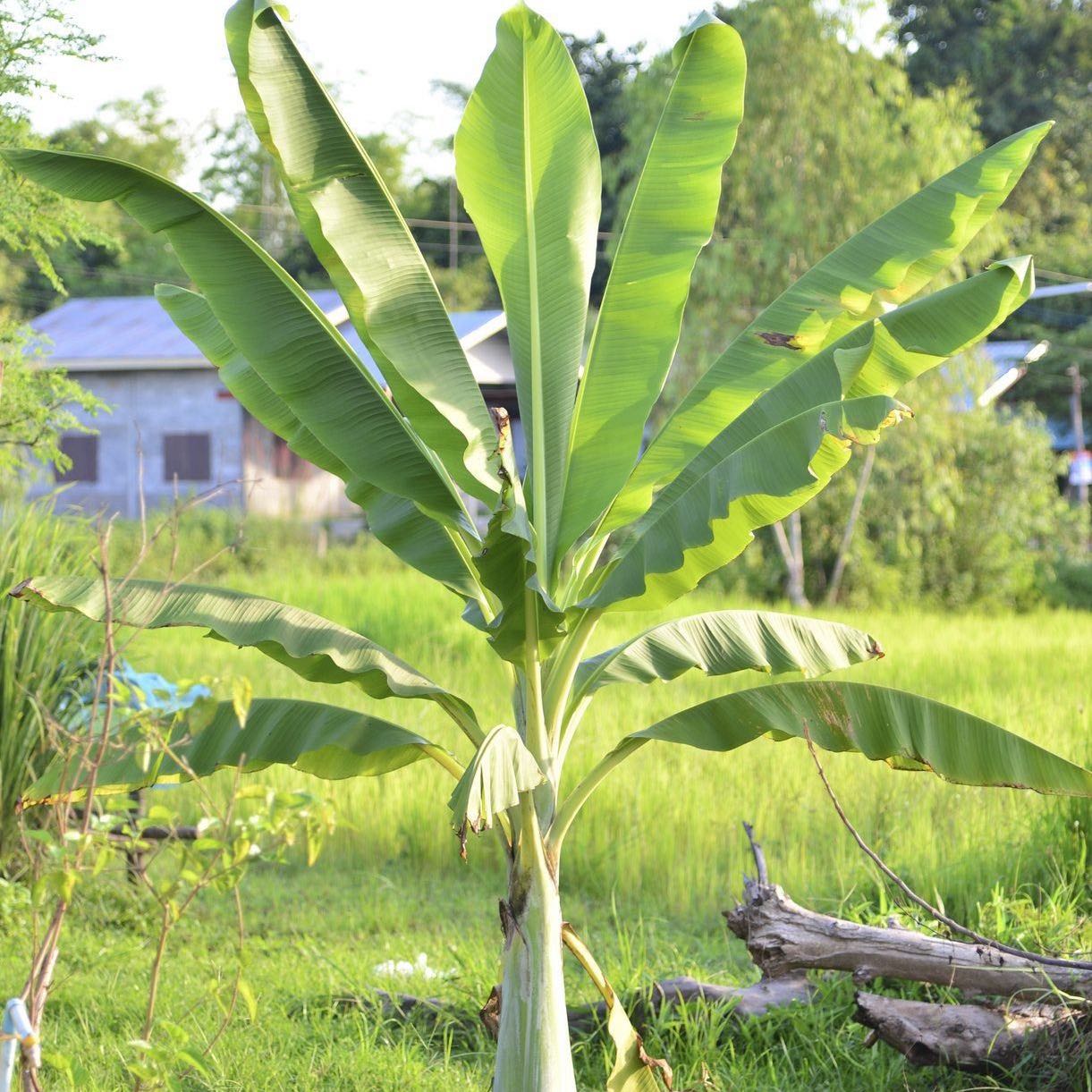
Best Pot for Banana
What Size Pot Does a Banana Need?
Banana is one of the fastest-growing plants you can put in a container. Its root system expands rapidly and the plant will visibly outgrow smaller pots within a single growing season. Starting with a pot that's too small means constant repotting during the growing season when you'd rather be enjoying the plant.
A 15-gallon pot is a reasonable starting size for a young banana. Plan to move up to 25–30 gallons as the plant matures and begins producing pups (offsets) at the base. The main pseudostem and its pups together form a spreading clump that can easily fill a large container.
A 30-gallon pot is about the practical maximum for most container gardeners since larger pots become very heavy and difficult to move. At that size, manage the size of the clump by removing pups regularly.
What Material Pot Is Best for Banana?
Banana plants are thirsty, fast-growing giants with a broad, shallow mat of roots that spreads outward rather than down. They drink enormous amounts of water and prefer a container large enough to hold sufficient soil volume to support that demand without drying out too quickly.
At the same time, the roots need good drainage so water does not stagnate around the base. A wide, roomy pot that retains moisture well but still allows excess water to drain freely matches the root system's natural preference for rich, reliably moist ground.
Banana plants are heavy drinkers. Their big, fast-growing leaves lose water quickly, so the pot needs to hold enough moisture to keep up. Fabric dries out too fast and will leave you watering multiple times a day in summer.
Unglazed ceramic, wood, glazed ceramic, and plastic all work well. Glazed ceramic and plastic hold the most moisture, which suits a banana's thirst. Plastic is also the most practical choice since bananas grow fast and you will be upsizing the pot often.
Avoid metal pots. Bananas need full sun to fruit, and metal heats up dangerously in direct sunlight, stressing the roots right when the plant needs them working hardest.

Does My Banana Need Drainage Holes?
Yes, without question. Banana roots are among the most susceptible to waterlogging of any common container plant. They need consistent moisture, but it must drain freely so roots can access oxygen.
For large pots, use multiple drainage holes. One small hole at the bottom of a 25-gallon container can easily clog with roots or debris. Two to four holes spaced around the base give much better reliability.
When Should I Repot My Banana?
Banana grows fast enough that container plants often need repotting every 1–2 years during the growing season. The best time is in late spring when you're also bringing the plant outdoors (if you overwinter it indoors). This gives it the whole warm season to establish in its new pot.
When repotting, use a well-draining potting mix with extra perlite. Banana is a heavy feeder, so mixing in slow-release fertilizer at repotting time gives it a head start. Refresh the potting mix even if you're returning to the same container, since banana depletes nutrients quickly.
In climates where banana dies back in winter, cut the pseudostem down to 6 inches after frost kills the foliage and overwinter the rhizome in a barely damp pot in a frost-free space. Repot or refresh the soil in spring before new growth emerges.
When Can I Plant My Banana in the Ground?
Banana grows in the ground year-round in USDA zones 9a through 11b, where the rhizomes can survive winter even if the top growth dies back after frost. In zones 10 and warmer, banana stays evergreen and can reach 15–20 feet in the ground.
In zones 7 and 8, some cold-hardy banana varieties (like Musa basjoo) can survive winter in the ground with heavy mulching over the rhizomes. Musa acuminata specifically has limited cold tolerance, so outside of zone 9 it should be treated as a container plant brought indoors before frost.
Got More Questions?
About This Article
