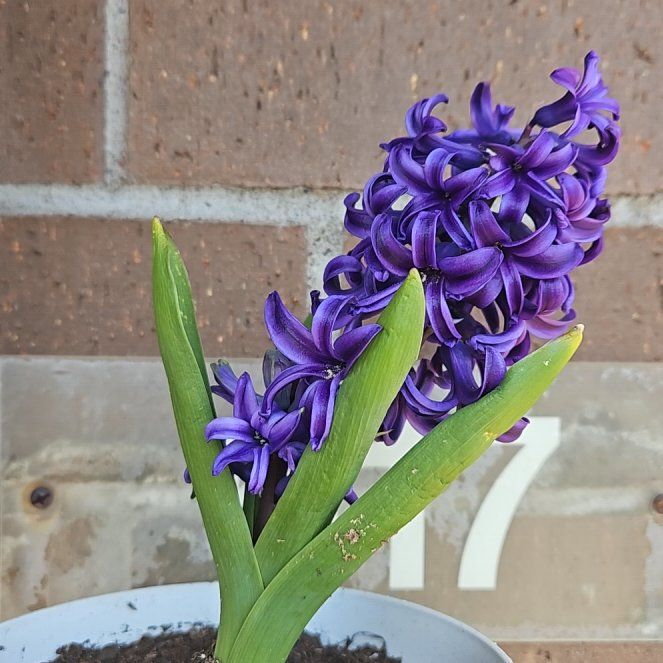
How to Repot a Garden Hyacinth
Lift and divide Garden Hyacinth bulbs every 3 to 4 years in autumn, after the foliage has died back. Replant each bulb 4 to 6 inches deep in a pot or bed that's 1 to 2 inches wider than the cluster needs, with gritty, fast-draining soil. Get the bulbs back in the ground before the first hard freeze so they have time to root before winter.

How to Know It's Time to Repot
Garden Hyacinths are spring-blooming bulbs that need a long cold rest underground each winter to flower well the next year. The signs that they need lifting and dividing show up over the course of a few seasons. Watch for any of these four signals.
-
1Bloom spikes come in noticeably smaller or fewer than they did two or three years ago.
-
2The cluster has produced numerous small offset bulbs around the original.
-
3Foliage emerges weak and floppy each spring, with no flowers at all.
-
4Soil in the bed or pot has compacted and the bulbs sit in soggy ground after rain.
One sign on its own isn't enough to act on, but two or more together means it's time. Most Garden Hyacinth clusters need lifting and dividing every 3 to 4 years, with the work done in autumn before the ground freezes.
The Best Time of Year to Repot
Garden Hyacinths are repotted in autumn, after the foliage has died back and well before the ground freezes. The bulbs need several weeks of cool soil to root in before winter dormancy takes hold.
The exact window depends on first frost dates in your region, since the bulbs need to be in the ground before a hard freeze. Use the map below to find your window.

How to Choose a Pot and Soil Mix
Pot Size
For a pot, choose one that's 1 to 2 inches wider than the bulb cluster needs and at least 8 inches deep, so each bulb sits 4 to 6 inches below the soil surface. Space bulbs about 3 inches apart from each other and from the pot wall.
Pot Material
Terracotta is a strong choice for Garden Hyacinths, since the breathable walls help keep the bulbs from sitting in soggy soil.
Plastic and glazed ceramic work too, especially if you're overwintering the pot outdoors where the extra moisture retention helps balance freeze-thaw cycles. Whichever material you pick, make sure the pot has drainage holes. Hyacinth bulbs rot fast in standing water.
Soil Mix
Mix two parts standard potting soil with one part coarse perlite or sharp sand for the gritty, fast-draining blend Garden Hyacinths want. A handful of bone meal mixed into the soil below each bulb gives the roots a steady supply of phosphorus for next spring's bloom.
Skip moisture-control formulas and dense peat-heavy mixes. Both hold too much water around the bulbs and lead to rot during winter dormancy.
How to Repot a Garden Hyacinth, Step by Step
-
1Wait for the foliage to die back. Don't lift the bulbs while leaves are still green, since the foliage is feeding next year's flower. Wait until the leaves have yellowed and pulled away easily from the bulb top, usually mid to late summer.
-
2Pick the new pot or bed spot. Choose a pot that's 1 to 2 inches wider than the cluster needs, at least 8 inches deep, with drainage holes. Layer an inch of fresh gritty mix in the bottom so each bulb will sit 4 to 6 inches below the final soil line.
-
3Lift the bulbs carefully. Use a hand fork to gently work under the cluster and lift it out, taking care not to spear or scrape the bulbs. Brush off the loose soil so you can see each bulb clearly.
-
4Separate and inspect. Gently twist off any small offset bulbs from around the parent. Discard any bulbs that are soft, mushy, or have visible mold. Healthy hyacinth bulbs are firm and have a papery brown tunic.
-
5Replant 4 to 6 inches deep. Set each bulb in the new pot or bed with the pointed end up and the flat root plate down. Cover with gritty mix so the bulb top sits 4 to 6 inches below the soil surface. Space bulbs about 3 inches apart from each other.
-
6Water once, then leave them. Water deeply once after planting to settle the soil around the bulbs, then leave them alone until spring growth emerges. Outdoor pots overwinter in place. Indoor forced bulbs need 12 to 14 weeks at 35 to 45 F before being brought into warmth to bloom.
What to Expect After Repotting
First Winter
Don't expect to see anything above the soil for the first several months. The bulbs are quietly rooting and chilling underground.
Keep the soil barely damp, never soggy, and never fertilize during dormancy. Outdoor pots can be sunk into a sheltered bed or wrapped to even out freeze-thaw swings.
First Spring
Green shoots pushing up from the soil are the signal that the bulbs have rooted in successfully. Flower spikes usually follow within two to three weeks.
Water normally as growth resumes, and add a light dose of bulb fertilizer once you see green tips. After the flowers fade, leave the foliage in place until it yellows naturally, since it's feeding next year's bloom.
Got More Questions?
About This Article
