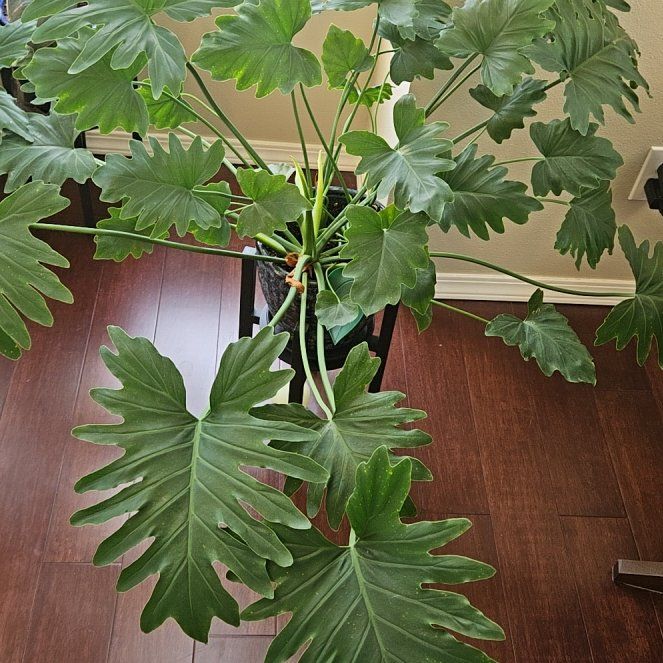
How to Plant a Xanadu Plant
Plant Xanadu in a pot just one or two inches wider than its nursery container, using a chunky well-drained mix of potting soil with bark and perlite. Set it in bright indirect light a few feet from an east or south window and keep the room above 60°F year round. Water deeply when the top inch of soil feels dry. Expect a new finger-shaped leaf to push within the first six weeks.

Where to put it
Xanadu is a tropical understory plant native to the rainforests of Brazil, where it spreads in dappled light beneath taller trees. In the home, that translates to bright indirect light, two to six feet from an east or south window. Direct midday sun through glass bleaches and scorches the deeply lobed leaves, while a dim corner stretches the stems and shrinks new growth.
Keep the room consistently warm. Xanadu thrives between 65°F and 85°F and stops growing below 60°F. Avoid placing the pot near a cold draft, an exterior door that opens often in winter, or directly above a heating vent that swings the temperature around. The plant tolerates average household humidity but pushes larger glossier leaves when humidity sits above 50 percent, which a small humidifier nearby can deliver.
Give Xanadu room to spread. A mature plant reaches three to five feet tall and four to six feet wide, so leave space for the mounded shape to fill in without crowding furniture or other plants.
Planting from a nursery transplant
Xanadu is sold as a rooted plant in a small nursery pot. The single most important rule is drainage. The roots rot quickly in soggy soil, so the pot must have drainage holes and the mix must drain freely within a few seconds of watering. Bright indirect light and warmth above 60°F do the rest.
-
1Let the plant settle for two to three weeks When the Xanadu first comes home, leave it in its nursery pot and place it where you plan to keep it long term. Moving it the day it arrives stacks transplant shock on top of the change from greenhouse to your home. Once new growth resumes or the plant looks unbothered by the new spot, you can pot it up.
-
2Pick a pot one or two inches wider with drainage Choose a pot one or two inches wider than the nursery container and the same depth or just slightly taller. Drainage holes are non-negotiable for Xanadu since the thick roots rot in standing water. Terracotta breathes and dries faster which suits this plant, while glazed ceramic holds moisture longer and works only if you water less often.
-
3Mix a chunky well-draining blend Combine three parts standard potting soil with one part orchid bark and one part perlite. The bark and perlite open up air channels in the root zone, which is what Xanadu needs as a tropical plant adapted to loose forest floor debris. A straight bagged houseplant mix holds too much water and is the most common cause of slow decline.
-
4Pot the plant and water in Add a base layer of mix to the new pot, set the root ball on top so the soil surface sits about half an inch below the rim, and backfill around the sides with more mix. Firm gently and water thoroughly until water runs out the drainage holes, then let the pot drain fully before returning it to its spot. Skip fertilizer for the first six weeks while the roots settle into fresh mix.
The first month and a half
The first six weeks are mostly about the roots. Xanadu is moving energy into anchoring itself in the new pot, which means visible top growth is slow at first. This is normal and not a sign that the plant is unhappy.
The most common new-grower mistake is reading the lack of new leaves as a problem and watering more often to compensate. Constantly damp soil starves the roots of oxygen and invites rot, which is the fastest way to lose a healthy plant. Stick to a deep watering only when the top inch of mix feels dry to the touch.
Healthy first-month signs are leaves that hold their position without wilting, no yellowing on the lower leaves, and stems that stay firm and upright.
What can go wrong
-
Yellowing lower leaves after potting
Overwatering is the most common cause. The new mix is holding more moisture than the roots can use, and the lower leaves are the first to show stress. Let the top two inches of mix dry out before the next watering and check that water still runs freely through the drainage holes. If the bottom of the pot stays wet for more than a day, the mix is too dense and needs more bark or perlite next repot. -
Wilting or drooping leaves the first week
Mild transplant shock is normal in the first few days as the roots adjust to fresh mix. The leaves usually firm back up within a week if light and watering are appropriate. Keep the plant in stable bright indirect light and water once thoroughly. If wilting continues past ten days, check the roots for soft brown patches which point to rot, not shock. -
Brown crispy leaf tips
Low humidity is the most likely cause indoors, especially during winter heating season. Xanadu prefers humidity above 50 percent and shows dry tips when the air drops below 40 percent. Group with other plants, place a small humidifier nearby, or set the pot on a pebble tray with water below the pot base. Trim the dry tips at an angle with clean scissors to tidy the look. -
Pale washed-out leaves with long stems
The plant is reaching for more light. Xanadu in too dim a spot stretches its stems and produces smaller paler leaves with less of the signature deep finger-lobing. Move it closer to a bright window with filtered light, or supplement with a grow light a few feet overhead. Existing stretched stems will not shorten, but new growth will return to a full mounded shape. -
Soft mushy stems at the soil line
Root rot has set in, almost always from prolonged wet soil or a pot without drainage. Unpot the plant immediately and inspect the roots. Healthy roots are firm and light tan, while rotted roots are dark and slimy and pull apart easily. Cut away all rotted material with clean scissors, repot into fresh dry mix in a smaller pot, and water sparingly until new growth resumes. -
Black or brown spots on the leaves
Bacterial or fungal leaf spot, often triggered by water sitting on the foliage in cool conditions. Water at the soil line rather than over the leaves, and improve air circulation around the plant. Remove badly affected leaves with clean scissors and discard them. Avoid misting if room temperatures dip below 65°F overnight, since cool wet leaves are the fastest path to spots spreading. -
Tiny webbing or stippling on the leaves
Spider mites move in on indoor plants in dry winter air. Check the underside of leaves for fine webbing and pinprick dots of damage on the leaf surface. Wipe the leaves down with a damp cloth on both sides, then spray with insecticidal soap once a week for three weeks to break the breeding cycle. Raising humidity helps prevent a return. -
No new growth after two months
Cool room temperatures or low light are the usual causes. Xanadu growth slows to a near halt below 60°F and in dim corners far from any window. Move the plant to a warmer brighter location, check that the soil is not staying soggy between waterings, and start diluted balanced fertilizer at half strength once a month if you have not already. Growth often resumes within three to four weeks once conditions improve.
About This Article
