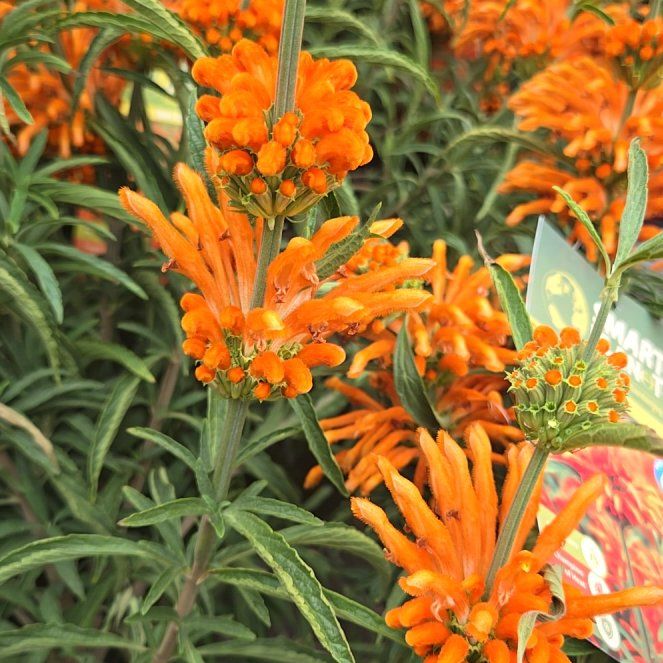
How to Plant a Lion Tail
Plant Lion Tail outdoors in spring once nights stay above 50°F, in full sun and sharp-draining soil with the root flare sitting right at the surface. Space plants three to four feet apart so air moves through the foliage. In zones 8 through 11 the plant returns each year, while gardeners in zone 7 and colder grow it as a tender annual or move it indoors before frost. Expect first flower whorls in late summer of year one.

When and where to plant
Lion Tail is a South African shrub that wants heat, dry feet, and as much sun as you can give it. Plant in mid to late spring once night temperatures stay above 50°F and the soil has warmed. In zones 8 through 11 the plant is hardy in the ground and returns each year. In zone 7 and colder it grows as a tender annual or as a container plant that comes inside for winter.
Pick a spot that gets six or more hours of direct sun. Less light produces a tall, floppy plant that flowers poorly. Drainage matters more than almost anything else here. Heavy clay or any site that puddles after rain leads to crown rot, which kills more Lion Tails than cold does in most home gardens. On sticky ground, plant on a raised mound or in a raised bed of gritty soil rather than digging into the clay itself.
Give each plant three to four feet of space in every direction. A mature Lion Tail reaches four to six feet tall and three to four feet wide, with whorls of bright orange tubular flowers stacked up the stems in late summer and fall.
Planting a container-grown shrub
The make-or-break rule for Lion Tail is drainage. This is a dry-summer shrub from South Africa, and roots sitting in wet soil rot within weeks. A second rule rides along, the root flare where the stem widens into the surface roots must sit right at the finished soil level. Buried flares slowly suffocate, and on a plant already sensitive to wet feet, the combination is usually fatal.
-
1Pick a warm planting day Wait for a stretch of mild weather in mid to late spring with night temperatures reliably above 50°F. Cold wet soil at planting shocks a heat-loving shrub and pushes it toward root rot before it can establish. If a late cold snap is forecast within ten days, hold off and keep the plant in its nursery pot in a sunny sheltered spot.
-
2Dig the hole twice as wide Measure the root ball and dig a hole twice as wide and exactly the same depth, not deeper. The wide hole loosens the surrounding soil so new roots can push out laterally with less resistance. On clay or any site that stays soggy after rain, build a low planting mound six to eight inches above grade with gritty soil instead of digging down.
-
3Find and set the root flare Brush soil away from the top of the root ball with your fingers until you can see the slight widening where the stem meets the roots. Position the plant so this flare sits at or just above the finished soil level. Lion Tail buried below the flare combines poor air exchange at the crown with the moisture-holding conditions it dislikes most, and the plant slowly declines without obvious early warning.
-
4Backfill with gritty native soil Hold the plant upright and backfill with the same soil you removed, mixing in a few handfuls of coarse sand or pumice if the native soil is heavy. Firm gently around the root ball with your hands to remove large air pockets, then water the hole until the soil settles. Avoid amending with peat or rich compost, since both hold moisture longer than this plant tolerates.
-
5Water in and mulch lightly Water deeply right after planting so the root ball is fully soaked, then top with one to two inches of gravel or coarse bark mulch. Keep the mulch pulled four inches back from the stems to keep the crown dry. After the initial soaking, wait until the top inch of soil dries before watering again to push roots downward rather than letting them sit at the wet surface.
The first year
Most of what happens to a newly planted Lion Tail in year one happens underground. The plant moves energy into pushing roots out into the surrounding soil, building the foundation it needs to support the tall flowering stems in later seasons. Visible top growth picks up in mid to late summer, with the first flower whorls usually appearing in late summer or early fall.
The most common new-grower mistake in the first year is overwatering. A plant that came home from the nursery in moist potting mix often gets watered on the same schedule once it goes in the ground, where native soil dries far more slowly than a pot. Stick to deep watering once a week through the first summer, and let the surface dry between sessions.
Healthy first-year growth looks like steady new leaf production once the weather warms, branching that fills in along the lower stems, and a first round of orange flower whorls stacked up the stem tips in late season.
What can go wrong
-
Wilting in the first week after planting
Transplant shock from heat or wind is the usual cause when the new roots cannot pull water as fast as the foliage is losing it. Check that the root ball stayed moist during planting and water deeply at the base, not on the foliage. If the weather has turned suddenly hot, rig temporary shade for the hottest afternoon hours through the first week. A plant that perks up overnight after a deep watering will recover on its own. -
Mushy stems at the soil line (crown rot)
Soggy soil at the crown is a common way Lion Tail fails in year one. If the lower stems are blackening and soft where they meet the ground, lift the plant if you can, check for any saturation in the soil, and replant on a raised mound of gritty soil rather than back into the same hole. Going forward, water only when the top inch of soil feels dry. On any site that puddles for more than a day after rain, the plant will not survive long-term and needs a better-drained location. -
Buried root flare (slow decline)
If the flare disappeared into the planting hole or under added mulch, the plant is slowly suffocating at the crown. Gently excavate the soil and mulch around the base with your fingers until you can see the stem widening into roots, then keep that point exposed. Caught within the first months, full recovery is the usual outcome. Caught after the lower stems have started to soften, the plant is already heading toward crown rot. -
Tall floppy stems with sparse flowers
Too little sun is the cause. Lion Tail needs six or more hours of direct light to grow stocky upright stems and produce its trademark whorls of orange flowers. In partial shade the stems stretch toward the light and topple under their own weight, and flowering drops off sharply. Move the plant to a sunnier spot in fall or next spring, and stake the current season if needed to keep the stems upright. -
Yellowing leaves with cool wet weather
Cold soggy soil shuts down root function and the foliage yellows from the bottom up as the plant struggles to take up nutrients. The fix is usually to wait out the cool spell and improve drainage rather than to fertilize. Pull mulch back from the stems to help the surface dry faster, and if the soil stays saturated for more than a few days, the plant needs a better-drained site to make it through. A plant that yellows every spring in your soil is telling you the drainage is wrong. -
Drought stress in late summer
Even a drought-tolerant plant needs water in its first year while the roots are still growing out. Crispy leaf edges and shoots that droop in the afternoon and recover at night are early signs the plant has used up the moisture within reach of its roots. Water deeply once a week through the first summer, letting the water soak six inches down rather than wetting the surface daily. By year two, weekly watering is only needed in long dry stretches. -
No flowers in year one
Lion Tail flowers on new growth and often spends most of year one putting energy into roots rather than into a heavy bloom display. A small late-season showing of one or two flower whorls is common and not a cause for concern. Resist the urge to fertilize, which usually pushes more leafy growth rather than more flowers, and instead keep the plant in full sun and on a lean watering schedule. The full whorled display usually arrives in year two. -
Winter dieback in marginal zones
In zones 7 and colder the top growth is killed by hard frost, and in zones 8a a cold winter can knock the plant back to the ground even on a hardy plant. In zone 8 and warmer, cut the dead stems back to a few inches above the soil in late winter and the plant pushes back from the crown in spring. In zone 7 and colder, treat Lion Tail as a tender annual or pot it up and bring it indoors to a bright cool spot before the first hard frost.
About This Article
