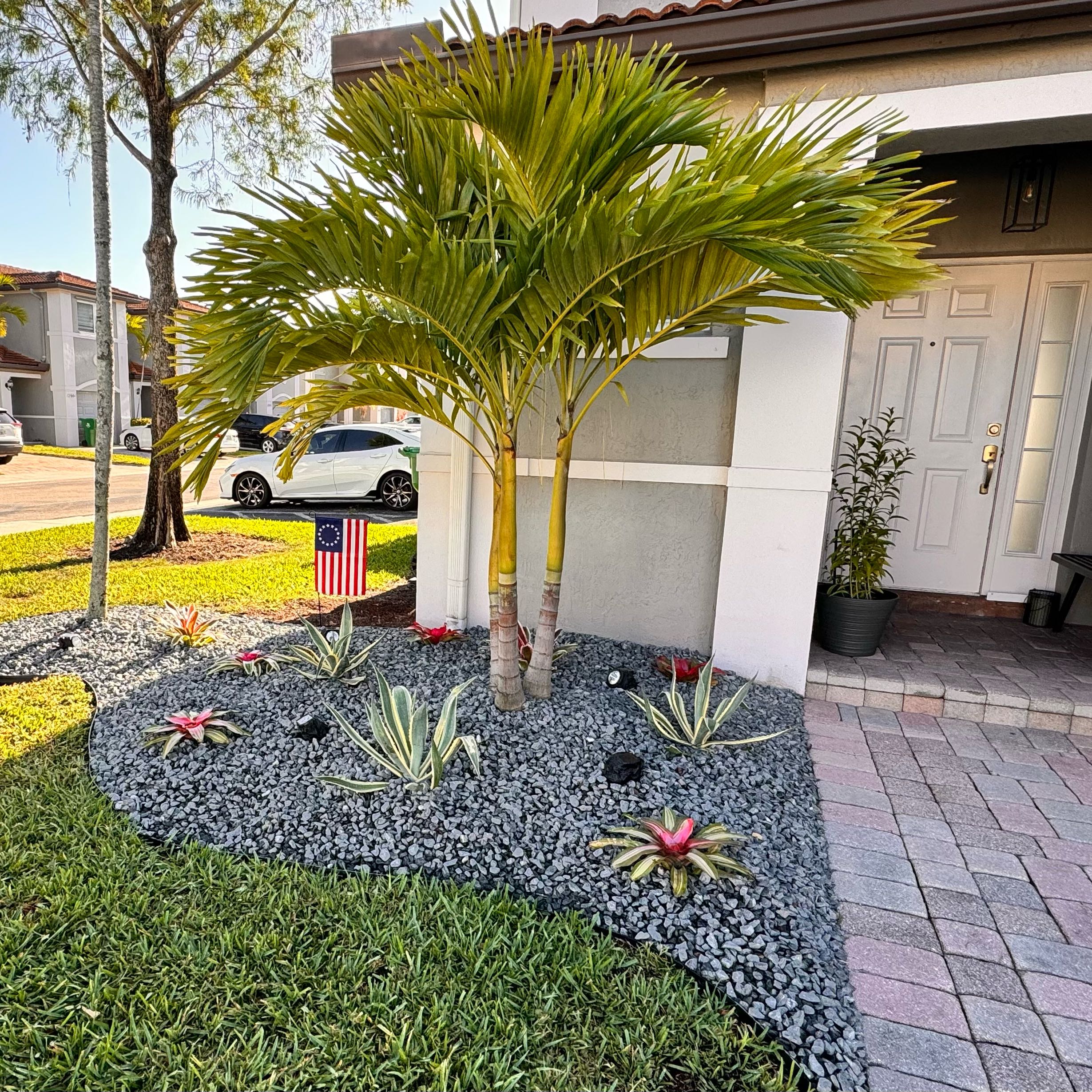
How to Plant a Christmas Palm
Plant Christmas Palm outdoors in late spring once nights stay reliably above 60°F, in a warm sheltered spot with full sun and fast-draining soil. The palm is hardy only in zones 10b through 11 and any frost can kill it. Set the root ball at the same depth it sat in the nursery container, never deeper. Water deeply twice a week for the first six months. Expect one or two new fronds in the first year.

When and where to plant
Christmas Palm thrives in zones 10b and 11, which in the continental United States means south Florida from roughly West Palm Beach south, plus pockets of coastal southwest Florida and the lower Keys. Hawaii works across the islands. Anywhere a hard freeze is possible, this palm cannot live outdoors year round. A single night below about 30°F can kill it outright, and even a brush of frost burns the fronds badly enough to set the plant back a full season.
Pick a spot with full sun, six or more hours of direct light, and protection from cold north winds in winter. South or east facing walls, courtyard corners, and pool decks all give the few degrees of buffer that matter on a borderline night. Open lawn in the middle of a yard is the most exposed and risky placement.
The soil must drain fast. Christmas Palm tolerates sandy or rocky soil well and actually prefers it, but heavy clay or low spots where water pools after rain lead to root rot quickly. Plan for at least ten to twelve feet of clearance from buildings, driveways, and other palms so the mature crown has room to spread.
Planting a container-grown palm
The single most important rule for Christmas Palm is depth. Unlike broadleaf trees that have a root flare, palms grow new roots from a band at the base of the trunk called the root initiation zone. Burying that zone even an inch below the finished soil level suffocates the new roots and the palm declines over a single season. Match the depth it sat at in the nursery container exactly.
-
1Pick a warm planting day Wait until late spring or early summer when night temperatures stay reliably above 60°F and soil at six inches deep reads 65°F or higher. Christmas Palm puts out new roots only in warm soil, so planting into cool ground means weeks of zero root activity while the top dries out. A cool overcast morning after warm weather is the easiest on the palm.
-
2Dig the hole twice as wide, same depth Measure the root ball, then dig a hole twice as wide and exactly the same depth, not deeper. The wide hole loosens soil so new roots push out laterally into the surrounding sand or fill, while matching the depth protects the root initiation zone at the trunk base. In rocky south Florida soil, work the edges with a digging bar rather than trying for a perfect round hole.
-
3Set the palm at the original soil line Slide the palm out of the container and look for the soil line on the trunk, the slight color change where the wood was buried versus exposed in the nursery. Position the root ball so that line sits at or barely above your finished grade. If the palm sinks even an inch after backfilling, lift it back out and add soil under the root ball rather than leaving it buried.
-
4Backfill and water in deeply Hold the trunk upright as you backfill with the same native soil you removed, firming gently around the sides to remove large air pockets. Slowly soak the hole with a hose until the soil settles, then top off with more soil if a depression forms. The first deep watering is what eliminates the air gaps that would otherwise dry the new roots.
-
5Brace, mulch, and skip the fertilizer Multi-trunk and tall single trunks need bracing for the first six to twelve months. Use three angled 2x4 braces padded against the trunk with burlap, not nailed in. Mulch two to three inches deep in a ring out to the edge of the planting hole, keeping the mulch a hand width back from the trunk so it never touches the wood. Hold off on any fertilizer for the first three months.
The first year
A newly planted Christmas Palm spends its first year working below ground. The above ground crown holds its existing fronds and may not push a single new spear for three or four months, which is normal and not a sign of trouble. The plant is building the root system that will carry it through years of growth and the eventual heavy red fruit clusters.
The most common new-grower mistake is reading slow top growth as a problem and overwatering or fertilizing to compensate. Both are damaging. Soggy soil rots the new roots, and pushing nutrients before the roots can use them burns frond tips. Stick to deep twice-weekly watering for the first six months, then ease to once a week, and start a balanced palm fertilizer only after the first new fronds have hardened off.
Healthy first-year progress looks like steady green color on existing fronds, no dropping of green fronds from the bottom of the crown, and one or two new spears unfurling in the warmer months.
What can go wrong
-
Brown burned fronds after a cold night
Any exposure below about 35°F damages Christmas Palm fronds, and a true frost or freeze burns them brown within a day or two. Do not cut the damaged fronds off right away. They still shield the crown and offer some insulation for the next cold event. Wait until late spring once new growth has clearly resumed, then trim only the fully dead fronds at the base of the leaf stem. Plan for a frost cloth draped over the crown on any forecast night under 40°F. -
No new spear after three or four months
Slow root activity is the usual cause, almost always from cold soil or overly wet soil. Check that the planting site drains within an hour or two after a heavy watering, and that average soil temperatures at six inches deep are above 65°F. If the palm was planted into cool spring soil, the first spear may not appear until midsummer. Patience and consistent deep watering at the base are the right response, not fertilizer. -
Trunk leans or rocks after wind
New palms have not yet anchored into the surrounding soil, so a strong wind can rock the trunk and shear the young roots before they take hold. Brace any palm taller than six feet for the first six to twelve months using three angled 2x4 supports padded against the trunk with burlap. Never drive nails or screws into a palm trunk because the wounds do not close over the way wood on a broadleaf tree does. Remove the braces once you can no longer rock the palm by hand. -
Lower fronds yellowing first
Magnesium or potassium deficiency is a common cause in sandy south Florida soils, where these nutrients leach quickly with rain and irrigation. The yellowing starts at the tips of the lowest oldest fronds and works inward. Apply a balanced palm fertilizer labeled 8-2-12 with 4 percent magnesium, broadcast under the canopy four times a year starting in the second growing season. Do not cut yellowing fronds off as the palm is still pulling nutrients back from them. -
Mushy trunk base or rotting roots
Standing water or constantly saturated soil at the base of the trunk leads to root rot, which Christmas Palm cannot recover from once the trunk tissue softens. Check that water drains within an hour or two after a deep soak. If the planting hole holds water, the palm needs to be lifted and replanted on a mound or moved to a faster-draining site. Going forward, water based on whether the top inch of soil feels dry rather than on a fixed daily schedule. -
Buried root initiation zone (slow decline)
If the palm was set even an inch deeper than it sat in the nursery container, or if soil and mulch have piled up against the trunk over time, the band of trunk where new roots emerge is suffocating. The palm declines over a single growing season, with fronds yellowing from the bottom and no new spears appearing. Gently excavate the soil and mulch back from the trunk until the original soil line on the wood is visible at grade. Caught in the first year, recovery is usually full. -
Sudden frond collapse and rotted spear
A central spear that pulls out with a gentle tug and smells sour is a sign of bud rot, the disease most likely to kill a stressed Christmas Palm. It follows cold damage, soggy soil, or fungal infection through wounds. Drench the crown with a copper based fungicide labeled for palm bud rot and improve drainage around the trunk. Even with prompt treatment, a fully collapsed spear often means the palm will not recover, so prevention through warm site selection and good drainage matters more than rescue. -
Lethal yellowing in the regional outbreak zones
Christmas Palm is highly susceptible to lethal yellowing disease, which is spread by planthopper insects in parts of south Florida and the Caribbean. Symptoms include premature fruit drop, blackened flower stalks, and rapid yellowing of all fronds from the bottom up over a few months. If lethal yellowing has been confirmed in your county, ask your local extension office about preventive oxytetracycline trunk injections every four months. Once symptoms appear in a planted palm, removal and replacement with a resistant species is usually the right call.
About This Article
