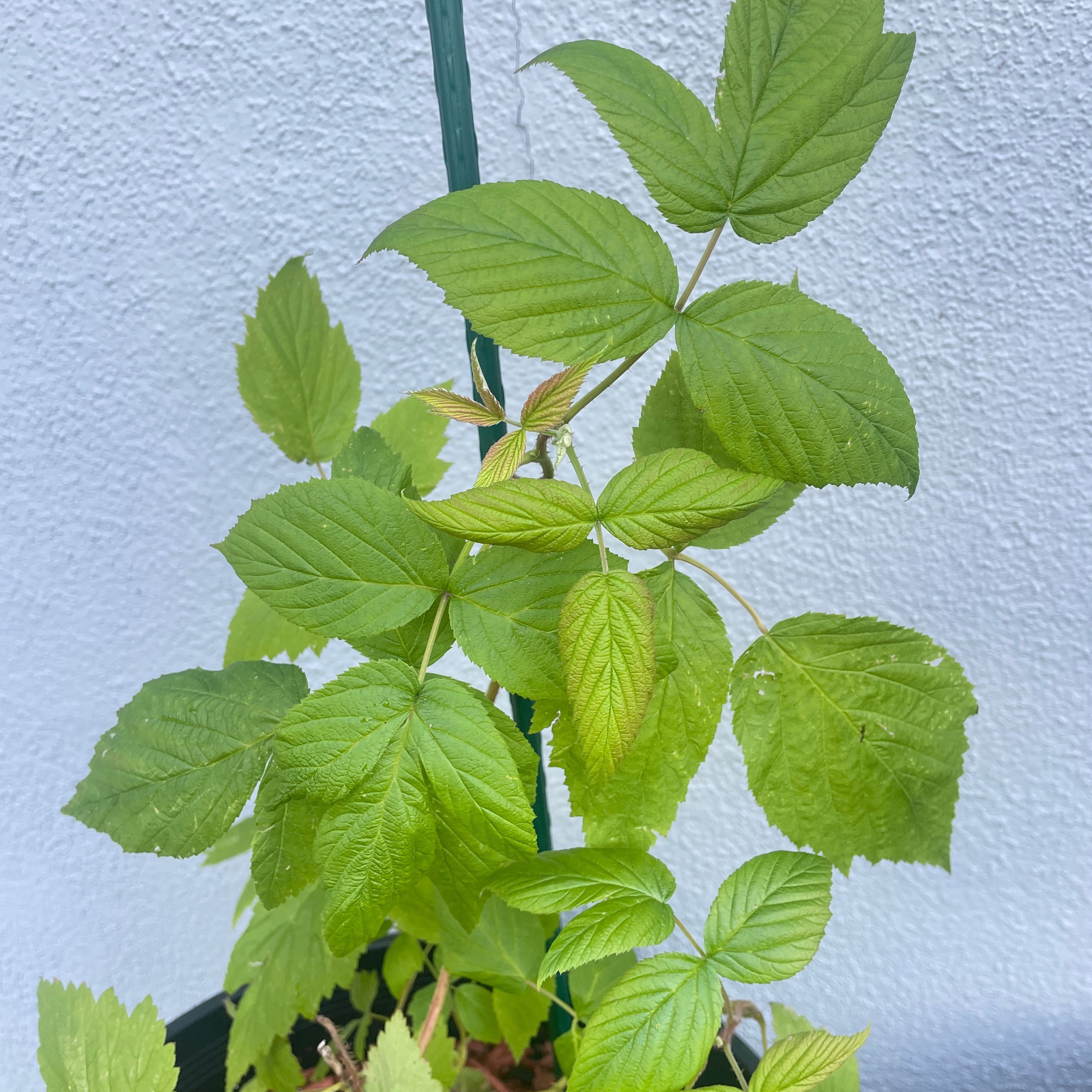
How to Grow a Heritage Raspberry
Plant Heritage Raspberry in full sun in well-drained slightly acidic soil, setting canes 18 to 24 inches apart along a sturdy two-wire trellis. The big trick is the winter prune. Mow the whole patch to the ground each winter for one massive fall crop, or leave canes standing for a summer and fall crop.

Where to plant
Heritage Raspberry is an everbearing red raspberry for USDA zones 4 through 8. Canes grow four to six feet tall in a season, and a healthy patch produces fruit for ten years or more with annual care.
Sun
Full sun gives the heaviest crop and the sweetest fruit. Six or more hours of direct sun is the minimum, and eight or more hours produces the best yield. Part shade plants still bear, but the crop is lighter and the berries ripen more slowly.
Avoid planting under tree shade where afternoon light is dappled. Tree roots also compete heavily with raspberry roots for water and nutrients.
Drainage
Heritage Raspberry needs well-drained soil. Roots in soggy ground develop phytophthora root rot within a season or two. Dig a one-foot test hole and fill it with water. If it drains within a few hours, the spot is fine. If water sits overnight, build a raised bed eight to twelve inches high for the row.
Soil
Rich loamy soil with plenty of organic matter is what this plant wants. The plant prefers slightly acidic conditions, which most garden soils provide naturally. Work two to three inches of compost or aged manure into the planting trench before you set the canes in. Heavy clay needs amending with coarse compost and planting on a raised bed.
Space and crop rotation
Plant canes 18 to 24 inches apart within a row, with rows five to six feet apart. A two-wire trellis at three and five feet tall keeps the canes from flopping under the weight of fruit.
Avoid planting where tomatoes, peppers, eggplants, or potatoes have grown in the last three years, since they share soil-borne diseases like verticillium wilt. Avoid old raspberry beds for the same reason.
How to plant
Plant bare-root canes in early spring while the canes are still dormant, or container-grown plants from spring through early fall. Cool damp weather gives the roots the easiest start.
-
1Soak bare-root canes before planting If the canes arrive bare-root, soak the roots in a bucket of water for one to two hours right before planting. This rehydrates the roots and helps them push new feeder roots once they go in the ground.
-
2Dig a planting trench Make a trench six inches deep and a foot wide along the row line. Work plenty of compost into the bottom of the trench. A trench is faster than individual holes for a row of canes.
-
3Set canes at the right depth Spread the roots out along the trench and cover them with three to four inches of amended soil. The crown where roots meet the cane should sit one to two inches below the soil surface, never deeper.
-
4Cut the canes back hard Cut each newly planted cane back to about six inches above the ground. This forces the plant to put its energy into new root growth rather than supporting tall topgrowth before the roots can feed it.
-
5Water deeply and mulch Soak the entire row until the top six inches of soil feel uniformly damp. Spread two to three inches of straw or wood chip mulch over the row, kept a few inches back from the new canes.
-
6Install the trellis at planting time Set sturdy end posts at each end of the row and run two wires between them at three and five feet above the ground. Doing this now is much easier than working around established canes later.
Watering and feeding
Watering
Water deeply once a week through the first growing season, soaking the root zone to a depth of at least six inches. A drip line or soaker hose along the row works better than overhead spray, which spreads gray mold on the developing fruit.
Established patches need an inch of water a week during the fruiting window and through summer dry spells. Heritage Raspberry is most thirsty from flowering through harvest, so deep regular watering through that window produces fatter, sweeter berries.
Feeding
Feed in early spring as new growth pushes, using a balanced fertilizer or compost worked into the row. A second light feeding in early summer supports the fall crop. Stop feeding entirely by midsummer so the canes harden off before winter.
Avoid heavy nitrogen, which produces lush leafy canes with few flowers and soft fruit that bruises easily. Compost and aged manure are gentler than synthetic fertilizers and work well for raspberries.
Pruning and support
Heritage Raspberry is everbearing, meaning the canes fruit twice. The new canes that grew this year fruit at the tips in fall, and the same canes fruit again on the lower portion next summer before dying. The pruning choice is whether to take both crops or sacrifice the summer crop for a much bigger fall crop.
The simple option: one big fall crop
Mow or cut the entire patch to the ground in late winter before any new growth shows. New canes push up from the roots in spring, grow all summer, and fruit heavily at the tips in late summer through fall. The fruit is concentrated into one big crop rather than split across two seasons.
This is the easiest and most productive method for most home growers. Sharp pruners or a string trimmer with a brush blade make quick work of the patch.
The two-crop option
If you want both a summer and a fall crop, leave the canes standing through winter. In early spring, cut just the top portion that fruited in fall back to the highest live bud, which is usually about two feet up from the ground. The lower portion of the cane fruits in summer, and new canes still push up to fruit the following fall.
After the summer crop finishes, cut the fully spent canes (the ones that have now fruited twice) all the way to the ground. The new fall-fruiting canes continue growing through summer.
Thinning and tying in
Thin the new canes in spring to leave five or six strong canes per linear foot of row. Crowded canes shade each other, lower yield, and invite disease. Tie or weave the remaining canes between the two trellis wires to keep them upright through the fruit load.
Harvest
Heritage Raspberry produces sweet medium-large red berries from late summer into fall. The fall crop is the main payoff and continues until the first hard frost. A mature patch produces one to two pints per linear foot of row.
When it's ready
Pick berries when they are deep red and slide off the core with a gentle tug. A berry that needs to be pulled is not ripe yet, and an overripe berry crumbles on the way to the bowl.
The harvest window for any single berry is only a day or two, so plan to pick every two to three days during peak season. Morning harvest gives the firmest berries.
Picking and storing
Hold a shallow container under the berry and gently roll the fruit off the core. Layer berries no more than two deep in the container to avoid crushing.
Fresh raspberries keep in the refrigerator for two to three days. Spread them on a tray and freeze, then bag the frozen berries for use in the off-season. Frozen raspberries hold quality for a year and slip into smoothies, baking, and jam easily.
Beating the birds
Birds find ripe raspberries fast and can strip a row in a day. Lightweight bird netting draped over the trellis just before the first berries color up keeps the harvest yours. Anchor the edges to the ground so birds cannot get underneath.
Common problems and pests
Most Heritage Raspberry problems trace back to disease pressure on aging canes, summer drought stress, or pest pressure on ripening fruit. Good airflow, deep watering, and the annual mow-down prune solve most issues.
Gray fuzzy mold on berries
Botrytis (gray mold) shows up in humid weather and on overripe fruit left on the cane. Pick every two to three days during harvest and remove any moldy berries promptly. Improve airflow by thinning canes and keeping the row weed-free. Water at the base of the plant to keep the fruit dry.
Orange or rusty pustules on canes
Cane rust is a fungal disease that infects canes and leaves in humid weather. Cut affected canes to the ground and bag them, do not compost. The annual mow-down prune greatly reduces cane disease pressure. A sulfur or copper fungicide applied at first sign on remaining canes slows the spread.
Whole canes wilting in summer
Verticillium wilt is a soil-borne fungus that kills canes from the bottom up, often after heavy fruiting. Pull and discard affected canes, never compost. Do not replant raspberries or any nightshade in the same spot for at least three years. Choose a fresh planting site if the disease takes hold across the patch.
Small white worms inside the berries
Spotted wing drosophila is a fruit fly that lays eggs inside ripening berries. Pick every day during peak season to remove fruit before the eggs hatch. Yellow sticky traps and apple cider vinegar traps placed around the patch knock down adult numbers. Heavier infestations may need a spinosad spray approved for fruit crops.
Sawdust at the base of canes
Raspberry crown borer larvae tunnel into the base of canes. Affected canes wilt suddenly and snap off easily at the soil line. Cut and discard infested canes well below the damage and burn or bag them. Crop rotation and good sanitation reduce future pressure.
Yellow leaves with green veins
Iron chlorosis from alkaline soil or compacted ground. Apply chelated iron as a foliar spray for a quick fix. Amend the soil with elemental sulfur, compost, and pine bark mulch to acidify gradually over a season.
Aphids on new shoots and leaves
Small green or black soft-bodied insects cluster on tender new growth and excrete sticky residue. They also transmit raspberry mosaic virus, so heavy infestations are worth treating. Knock them off with a strong spray of water and follow up with insecticidal soap on persistent populations.
Mottled yellow patches on leaves
Raspberry mosaic virus shows up as yellow-green mottled leaves and stunted growth. There is no cure. Pull and bag affected canes including the roots, never compost, and do not replant raspberries in the same spot. Control aphids on remaining canes to slow the spread.
Japanese beetles eating leaves
Metallic green and copper beetles skeletonize the leaves in midsummer. Knock them into a jar of soapy water in the early morning when they are sluggish. Milky spore soil treatment works on the grub stage in the lawn over multiple seasons. Avoid bag-style pheromone traps near the patch, since they actually attract more beetles.
Brittle canes that snap in winter
Winter dieback at the cold edge of the zone or after a sudden hard freeze on unhardened canes. The annual mow-down prune removes this problem entirely by taking the canes to the ground before winter. In colder zones, the mow-down method is the more reliable option.
About This Article
