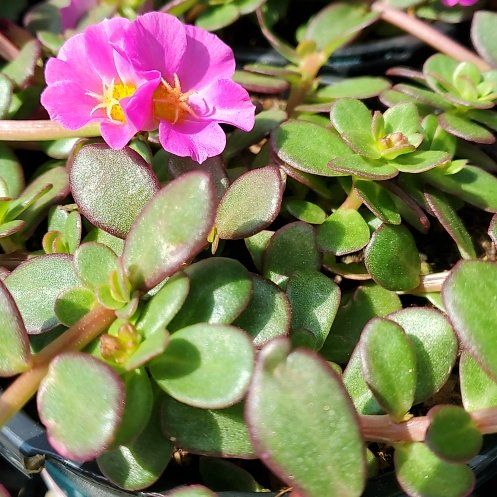
How to Grow Portulaca
Plant Portulaca in full sun in lean sandy soil with sharp drainage, after the last frost and once nights stay above 60°F. Water only when the soil dries out completely, since this is a true succulent and rotting roots are the main way to kill it. Expect blooms from early summer until first frost.

Where to plant
Portulaca is a low-growing annual succulent grown across most of North America as a summer bedding plant. Plants reach four to eight inches tall and spread 12 to 18 inches in a single season, so they fill in fast as an edging or rock garden filler.
Sun
Full sun is required. Six or more hours of direct sun is the minimum, and eight or more hours produces the best display. The flowers close on cloudy days and in late afternoon shade, so a hot south-facing spot keeps them open longest.
Anything less than full sun produces leggy stems with few flowers. Do not try to grow Portulaca in part shade.
Drainage
Sharp drainage is non-negotiable. Portulaca rots fast in soggy soil. Dig a one-foot test hole and fill it with water. If it drains within an hour, the spot is fine. Slow-draining ground needs amending with coarse sand or pumice, or skip and grow in a container with a cactus mix instead.
Soil
Lean sandy soil is what this plant wants. Rich garden beds produce floppy leafy growth with fewer flowers. If the bed is naturally rich, work in coarse sand or fine gravel to lighten it before planting.
Space
Space individual plants 8 to 12 inches apart for a knit-together carpet by midsummer. In a rock garden or along an edge, single plants in scattered pockets give a more open look. Plant in containers, hanging baskets, or strawberry pots, where the stems can drape over the side.
How to plant
Plant nursery-grown starts or sow seeds directly after the last frost and once nights stay reliably above 60°F. Portulaca is a heat-lover that sulks in cool soil, so do not rush the planting date.
-
1Wait for warm soil Check the soil temperature at planting depth. Portulaca germinates and grows fastest once the soil reaches 70°F. Earlier plantings in cool soil stall and often rot before they ever get going.
-
2Loosen the soil and add sand if needed Cultivate the top six inches of the bed and work in coarse sand or pumice if the ground is heavy. The soil should crumble through your fingers and not stick together in clumps.
-
3Set transplants at the right depth Plant at the same depth as the root ball sat in the nursery pot. The crown where stems meet soil should sit right at the soil surface, never buried, since buried crowns rot quickly in this plant.
-
4Sow seeds on the surface Portulaca seed needs light to germinate. Scatter seed thinly across loose soil and press it in lightly with your hand rather than burying it. Mist the surface with a hose set on a gentle spray to settle the seed without washing it away.
-
5Water in lightly Give just enough water to settle the soil around the roots or to dampen the seedbed. Do not soak. Wait until the soil dries before watering again.
-
6Skip the mulch Heavy mulch holds too much moisture against the stems and crowns of this succulent and causes rot. Bare soil or a thin gritty top-dressing like coarse sand works much better for Portulaca.
Watering and feeding
Watering
Water only when the soil is bone dry, since this is a true succulent that holds water in its fleshy leaves and stems. Soak the soil deeply when you do water, then let it dry out completely before the next drink. In a typical summer, that lands at once every 7 to 10 days for in-ground plants and once a week for containers.
Avoid overhead watering and afternoon watering. Water at the base in the morning so any splash on the leaves dries quickly. Wet stems and crowns rot fast in this plant.
Feeding
Portulaca prefers lean conditions and a single light feeding at planting time is usually enough for the season. A slow-release granular at half the labeled rate or a single dose of liquid fertilizer in early summer supports container plantings, which exhaust soil faster than beds.
Skip heavy feeding entirely. Overfed plants put on lush leafy growth at the expense of the flowers that are the whole reason to grow this plant.
Pruning and maintenance
Portulaca is an annual that needs very little pruning. The main shaping task is pinching back leggy stems midseason to keep the carpet tight, and pulling the whole plant at frost.
Midseason pinching
If the plants stretch and become leggy in midsummer, pinch the tips back by an inch or two to trigger branching from lower nodes. The pinched stems root easily in the soil where they fall and can fill bare spots.
Deadheading the spent flowers is optional. Modern Portulaca varieties self-clean and bloom continuously without picking off old flowers, but a quick once-over with shears tidies a container planting.
End of season
Once the first hard frost kills the plant, pull it up and toss it in the compost. Portulaca self-seeds readily in warm climates, so a row pulled and shaken over the bed scatters seed for next year's crop.
Blooming and color
Portulaca is grown for the cheerful flowers that cover the carpet of fleshy leaves from early summer to first frost. The blooms are roughly an inch across in colors that range from white through pink, red, orange, and yellow, often with bicolor effects.
Bloom timing
Flowers open about six weeks after the seedlings sprout, or right away on nursery-grown starts. The plant blooms continuously through summer and into early fall, with peak display in midsummer heat.
The flowers open in full sun and close in late afternoon, on cloudy days, and at night. A bed in deep afternoon shade shows fewer open flowers than the same plant in all-day sun.
In containers and baskets
Portulaca is a star in hanging baskets and shallow containers where it drapes over the edges and trails. Plant three to five small starts in a 10-inch basket for fast fill. Containers need a sharp-draining mix like cactus mix and a sunny spot to deliver the full bloom show.
Self-seeding
Portulaca readily self-seeds in warm climates and reseeds itself in the same bed for years. Allow the last flush of flowers to set seed before pulling the plants, and rake the seed lightly into the soil for next year's crop. Volunteer seedlings often revert to simpler flower forms than the named varieties.
Common problems and pests
Almost every Portulaca problem traces back to too much water. The plant is otherwise pest-resistant and trouble-free, the rare bedding plant that thrives on neglect.
Mushy black stems at the soil line
Stem rot is the number one killer of this plant. Overly wet soil, heavy mulch, or watering late in the day causes the crown to rot, and the whole plant collapses within a few days. Pull affected plants and toss them, do not compost. Replant in fresh soil with better drainage and water only once the bed is bone dry.
Yellow leaves and slow growth
Overwatering is the most common cause, followed by cold soil in early plantings. Stop watering until the soil dries out completely, and check that the bed drains within an hour after watering. Wait for warm soil before planting next year.
Leggy stretched stems with few flowers
The plant is reaching for light. Either the spot is too shady or the plant was crowded out by taller neighbors. Move to a sunnier location for next year. For containers, move to a south-facing window or sunnier patio.
Flowers that never open
Portulaca flowers open in full sun and stay closed on cloudy days, in shade, and at night. If the flowers seem to never open, the spot probably gets less direct sun than expected. Track the light through a single day to confirm at least six hours of direct sun on the plants.
Aphids on new growth
Small green or black soft-bodied insects cluster on tender new shoots in spring and early summer. Knock them off with a strong spray of water. Heavy infestations respond to insecticidal soap. Healthy Portulaca rarely attracts aphids in numbers worth treating.
Silvery trails on stems
Slugs and snails occasionally feed on the fleshy stems in damp weather. Hand-pick at night with a flashlight and drop into soapy water. A ring of crushed eggshell, diatomaceous earth, or copper tape around the bed deters them. Iron phosphate baits are safe around pets and work overnight.
Holes chewed in leaves
Flea beetles can chew small round holes in the leaves of young plants, especially in dry early-summer weather. Damage is mostly cosmetic on established plants. A floating row cover over newly planted seedlings keeps them off until the plant outgrows the damage.
Powdery white film on leaves
Powdery mildew shows up rarely on Portulaca, usually on shaded crowded plants in humid weather. Improve airflow by thinning, and move container plants to a sunnier spot. A potassium bicarbonate or horticultural oil spray at first sign clears mild outbreaks.
About This Article
