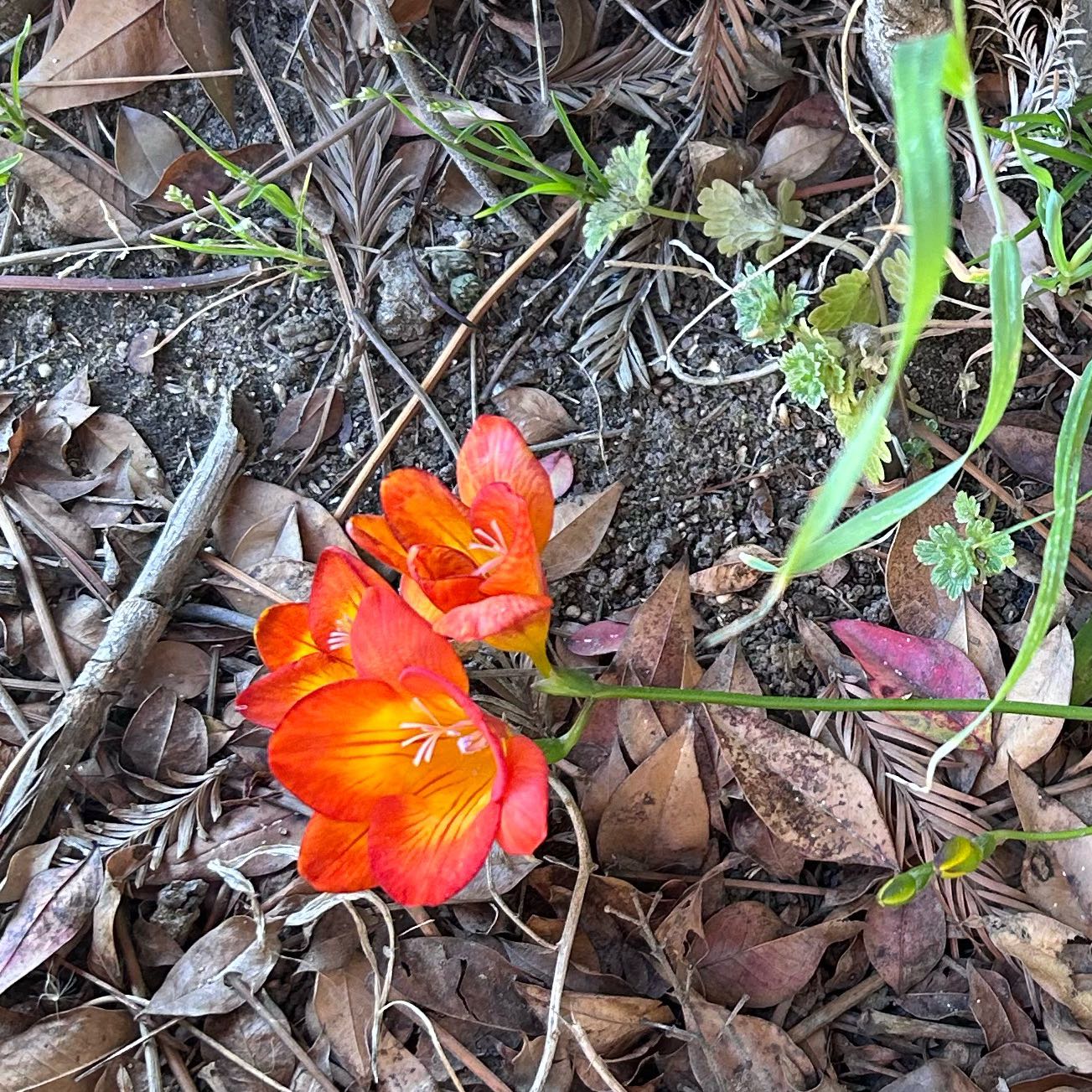
How to Grow Crocosmia 'Lucifer'
Plant Crocosmia 'Lucifer' in spring, setting the underground bulb-like bases 3 to 5 inches deep and 6 inches apart, in full sun with well-drained soil. Group 5 to 7 together for impact. Divide clumps every 3 to 4 years to keep flowering heavily. Expect scarlet bloom spikes in mid to late summer that draw hummingbirds.

Where to plant
Crocosmia 'Lucifer' is a clump-forming perennial hardy in USDA zones 5 through 9. The sword-shaped foliage reaches 3 to 4 feet, and flower stems arch above that, so the spot needs room for both the leafy clump and the floral display.
Sun
Full sun, at least six hours a day, produces the heaviest flower show. The plant tolerates light afternoon shade in zones 8 and 9, but anywhere with less than four hours of direct sun produces strong foliage and very few flowers.
Drainage
Crocosmia 'Lucifer' needs well-drained soil. The underground bulb-like bases rot in soggy ground, especially over winter when they are dormant and not actively drinking. Dig a one-foot test hole and fill it with water. If water sits overnight, build a raised bed 6 to 8 inches above grade and plant on top of it.
Soil
Average garden soil works fine. Most yards suit Crocosmia 'Lucifer' without any amendment. A few inches of compost worked into the planting area at the start gives the clump a good first year.
Avoid heavily amended or boggy beds. Rich, wet conditions push the plant into leafy growth at the expense of flowers, and over winter that combination is the fastest route to base rot.
Space
Plant the underground bases 6 inches apart in groups of at least 5 to 7 for a strong visual effect. The clumps spread sideways at 12 to 18 inches per season once established, so allow at least 18 inches between groups. Single plants look thin until they bulk up over two or three years.
How to plant
Plant in spring after the last frost when the soil has warmed to about 55°F. Spring planting gives the underground bases a full growing season to establish before their first winter, which matters in zones 5 and 6.
-
1Soak the bases briefly before planting Soak the bulb-like underground bases in lukewarm water for an hour or two before planting. Dry bases have a hard outer layer that delays sprouting. The brief soak gets them moving.
-
2Dig a wide shallow trench or planting holes Dig 4 to 5 inches deep across the planting area, wide enough to fit the group with their 6 inch spacing. A trench is easier for groups, and individual holes work for scattered placements.
-
3Set the bases pointed end up The pointed growing tip goes up and the rounded base goes down. Place 3 to 5 inches deep depending on your soil. Deeper in sandy soil and shallower in heavy clay.
-
4Backfill and firm gently Cover with soil and press lightly to remove air pockets. Water the area thoroughly to settle the soil around each base. Then leave the planting alone until shoots appear in 3 to 6 weeks.
-
5Mulch lightly for the first year A 1 to 2 inch layer of shredded leaves or fine bark over the area helps retain moisture while the plants establish. Skip thick mulch directly on top of the planting line, since pushing shoots can struggle through heavy mulch.
-
6Expect a quiet first year First-year plantings produce foliage and only a handful of flower spikes. By year two the clump bulks up and the display arrives. By year three it is at full strength.
Watering and feeding
Watering
Water deeply once a week through the first growing season to help the new clump establish, soaking the entire planting area rather than spritzing the foliage. Avoid splashing the leaves, since wet foliage in humid weather invites rust.
Established plants are fairly drought-tolerant and get by on rainfall in most years. Through extended dry spells in summer, a deep weekly soak keeps the bloom display going. Wet feet in winter, on the other hand, is the leading cause of clump losses.
Feeding
Feed once in spring as new shoots appear, using a balanced slow-release fertilizer or compost worked into the surface around the clump. Avoid high-nitrogen lawn fertilizer nearby, because excess nitrogen drives leafy growth and suppresses flowering.
A second very light feeding when flower buds appear in early summer can extend the bloom period, but it is optional. Stop feeding entirely by midsummer so the clump can build energy reserves for winter dormancy.
Pruning and maintenance
Crocosmia 'Lucifer' needs only seasonal cleanup plus a division every 3 to 4 years. There is no shaping or structural pruning involved.
Deadheading spent flower stalks
Cut spent flower spikes back to the base of the clump once the last flowers fade on each stalk. This stops the plant from putting energy into seed production and keeps the bed looking tidy. The foliage continues to fill out the clump for the rest of the season.
Cutting back in fall
Let the foliage stand until it yellows fully and dies back, usually after the first hard frost in zones 5 through 8. Then cut the dead leaves to within 2 inches of the ground and clear the debris. In zones 9 and warmer, the foliage may stay green most of the year, in which case clean out only the brown leaves.
Dividing every 3 to 4 years
When flowering drops off and the clump becomes a dense mat in the center, it is time to divide. Dig the clump in early spring just as shoots emerge. Separate the underground bases by hand or with a sharp knife, keeping each piece with at least one growing point.
Replant the divisions 6 inches apart and at the original depth. Discard any soft, mushy, or hollow pieces. Pass extra divisions on to friends or replant in new beds for instant bulk.
Blooming and color
The scarlet bloom show is the entire reason gardeners grow Crocosmia 'Lucifer'. Once the clump is established, the display lasts 4 to 6 weeks in midsummer and pulls hummingbirds in from across the neighborhood.
Bloom timing
Flowers open in mid to late summer, usually late June through early August depending on the zone. Each arching spike opens from the bottom up over a couple of weeks, with up to two dozen flowers per spike. A mature clump throws 6 to 12 spikes in a heavy year.
Attracting hummingbirds
The tubular scarlet flowers are a powerful magnet for hummingbirds, who feed on them daily through the bloom window. Plant near a window or seating area where you can watch the visitors. The same flowers also draw butterflies and orioles.
Cutting for arrangements
Cut spikes when the bottom one or two flowers have just opened and the upper buds are showing color. Strip the lower leaves from the stem before placing in water. Cut stems hold for 7 to 10 days in a vase and continue opening buds along the spike.
Common problems and pests
Most Crocosmia 'Lucifer' issues are about flowering performance or winter survival. Pests rarely cause real damage.
Few or no flowers
Three usual causes: too much shade, the underground bases were planted too shallow or too deep, or the area gets too much nitrogen from nearby lawn fertilizer. Move shaded clumps in early spring while still dormant. Check planting depth and replant at 3 to 5 inches. Pull back nitrogen sources at the bed edge.
Yellowing foliage in early summer
If only the older leaves yellow while new growth stays green, this is normal post-bloom decline that begins later in the season. If new growth is yellow too, the underground bases may be sitting too wet. Check drainage and pull back on watering until the soil dries out.
Orange spots on the leaves (rust)
A fungal disease that produces small orange or rusty-brown pustules on the undersides of leaves. Remove infected leaves and discard them away from the garden, do not compost. Improve airflow by thinning crowded clumps when dividing. Avoid overhead watering.
Underground bases rotting over winter
Soggy soil in winter is the leading killer of Crocosmia 'Lucifer' at the cold edge of zone 5. If the area collects water or freezes wet, dig and store the bases over winter in a cool dry place, then replant in spring. Otherwise, raise the planting bed and improve drainage with grit or sand worked into the area.
Fine webbing under leaves (spider mites)
Spider mites build up in hot dry weather. Look for tiny moving specks on the undersides of leaves and a fine silken webbing along the leaf bases. Spray the undersides with a strong jet of water every few days. Heavier infestations respond to insecticidal soap or horticultural oil.
Clump getting bald in the center
Mature clumps become congested and stop blooming well from the center outward. This is the cue to divide. Dig the whole clump in early spring, separate the underground bases, and replant fresh divisions with new soil amendments.
Plants disappearing the second spring
Most likely cause is winter rot from wet soil, particularly in zones 5 and 6 with heavy clay. The bases may also have been planted too late in fall and didn't establish before frost. Replant in spring after the soil warms and improve drainage at the site.
Floppy or weak flower spikes
Usually a sign of too much shade, too much nitrogen, or both. The plant stretches toward the light and produces tall weak stems. Move to a sunnier spot or pull back on fertilizer. Stakes are a band-aid that addresses the symptom rather than the cause.
Slug or snail damage on emerging shoots
Ragged holes chewed in young foliage in spring, often with slime trails visible in early morning. Hand-pick at dusk after a rain. Iron phosphate slug bait is safe around pets and works overnight.
About This Article
