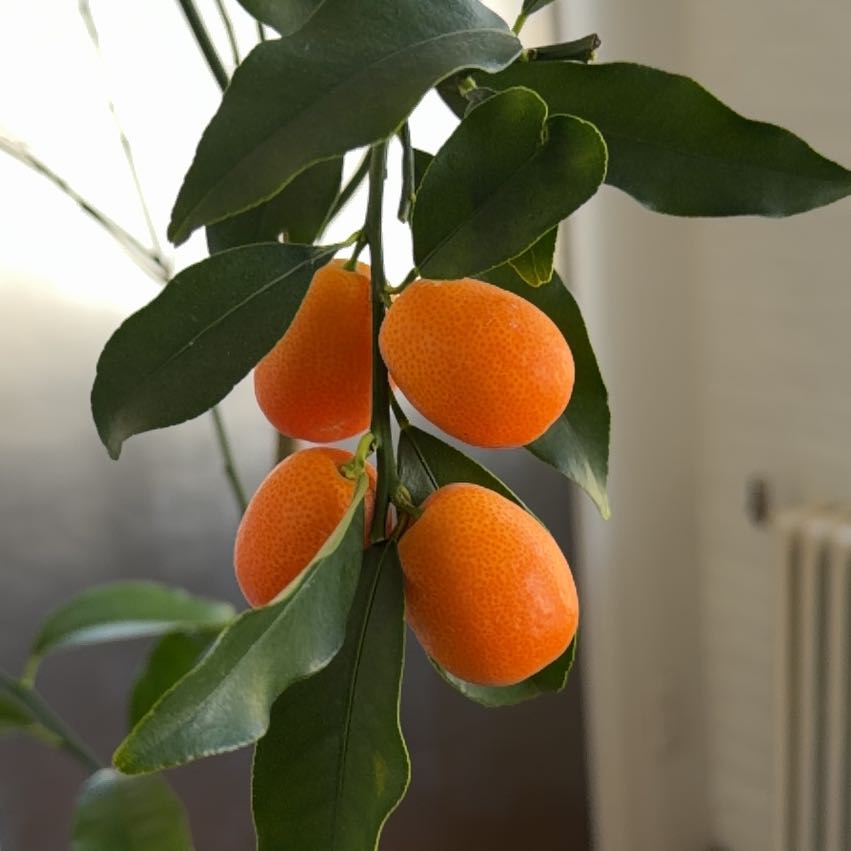
How to Grow a Kumquat
Plant Kumquat outdoors in full sun in zones 8 to 11, or in a large container in colder zones to bring indoors over winter. The tree is self-fertile, so one is enough for a heavy crop. Water deeply but let the top inch of soil dry between drinks. Fruit ripens in winter and is eaten whole with the skin.

Where to plant
Kumquat is a compact evergreen citrus tree, the most cold-hardy of the common citrus, growing 8 to 15 feet tall outdoors in USDA zones 8 through 11. In colder zones, container culture works well as long as the tree can come indoors during freezing weather.
Sun
Full sun produces the heaviest crops and the sweetest fruit. Eight or more hours of direct sun is the target outdoors. In zones 9 and warmer, some afternoon shade through the hottest part of summer is fine, but fruit production drops if total sun falls below six hours.
Indoor container Kumquat needs the brightest window in the house, ideally south-facing. Supplemental grow lights make a significant difference through winter months in northern homes where natural light is too weak for citrus.
Drainage
Citrus roots rot fast in soggy soil. Pick a spot on a gentle slope or high point in the yard. Dig a one-foot test hole and fill it with water. If it drains within a few hours, the spot is fine. If water sits overnight, build a raised mound 6 to 12 inches above grade and plant on top of it, or grow in a container.
Soil
Loose, well-drained soil with plenty of organic matter suits Kumquat well. The tree wants soil that drains freely after watering. Container plants need a quality citrus or tropical-fruit potting mix, never garden soil.
Space
Outdoors, give the tree 8 to 10 feet of clear space in every direction. The mature canopy spreads about as wide as it is tall. Container Kumquat stays smaller, usually topping out at 4 to 6 feet in a 15 to 20 gallon pot.
How to plant
Plant outdoors in spring after the last frost, or in early fall in warm zones for fall and winter root establishment. Container plants can go in any time of year, with summer planting needing extra attention to watering.
-
1Pick a healthy nursery tree Look for a tree with deep green leaves, no visible pests, and a strong trunk. Avoid trees with curled or yellow leaves. Two to three year old grafted trees produce fruit fastest.
-
2Dig a wide shallow hole Twice as wide as the root ball but only as deep. Citrus roots spread sideways more than down. Build a shallow basin around the planting spot to hold water during deep soaks.
-
3Set the tree slightly high The top of the root ball should sit about an inch above the surrounding soil. A buried graft union (the bulge on the trunk above the roots) rots fast and kills the tree.
-
4Backfill with native soil Use the soil that came out of the hole, lightly amended with compost. Avoid pure compost or potting mix in the planting hole, since roots stay lazy in overly rich soil and never reach into the wider yard.
-
5Water deeply Soak the planting basin slowly until the top six inches feel uniformly damp. This is the most important watering of the tree's first year.
-
6Mulch two inches deep, kept off the trunk Use shredded bark or wood chips, kept several inches back from the trunk. Mulch holds in moisture and moderates soil temperature. Avoid building a volcano of mulch around the trunk, since trapped moisture against the bark invites collar rot.
Watering and feeding
Watering
Water deeply when the top inch of soil feels dry, soaking the root zone rather than splashing the foliage. Drip irrigation or a soaker hose at the base works best. Citrus prefers a wet-and-then-dry cycle, never constantly soggy and never bone dry.
First-year trees need weekly deep soaks. Established outdoor trees in zones 8 through 11 get by on rainfall in most years, with deep watering during summer dry spells. Container Kumquat dries out faster and needs checking every 2 to 3 days in summer.
Inconsistent watering causes fruit drop and leaf yellowing. A 2 to 3 inch mulch ring around the tree (kept off the trunk) evens out soil moisture between waterings.
Feeding
Kumquat is a heavy feeder. Use a fertilizer labeled for citrus, applied per the package directions. The schedule is typically every 4 to 6 weeks through spring and summer, tapering off in fall and stopping in winter.
Citrus fertilizers include micronutrients (iron, manganese, zinc) that the tree needs to avoid yellowing leaves. Standard balanced fertilizers often lack these and lead to nutrient deficiencies over time. Container plants need this regular feeding even more, since nutrients leach out with each watering.
Pruning and maintenance
Kumquat is largely self-shaping and asks for only light annual pruning. Most years a quick cleanup of damaged or crossing branches is all the tree needs.
When to prune
Prune in late winter just before new growth pushes in spring. Avoid pruning in late summer or fall, since cuts made then may not heal before cold weather. Heavy pruning in summer also exposes the bark to sunscald.
What to cut
Remove dead, broken, or crossing branches at the trunk or back to a healthy side branch. Cut any shoots emerging from below the graft union (the bulge on the trunk) flush with the trunk. These rootstock suckers do not produce true Kumquat fruit and steal energy from the tree.
Light tip-pruning during the growing season helps maintain shape on container plants. Avoid hard pruning a mature tree all at once, since heavy removal stresses citrus and reduces the next crop.
Moving container plants indoors for winter
In zones 7 and colder, move container Kumquat indoors before the first hard frost. Place it in the brightest window available, water less frequently during the cooler darker months, and watch for spider mites and scale that thrive on indoor citrus. Move back outdoors in spring after the last frost.
Harvest
Kumquat fruits ripen from late fall through winter, with a single mature tree producing hundreds of small oval fruits. The harvest period stretches over several months, so the fruit can be picked as needed rather than all at once.
When to pick
Pick fruit when it has turned fully bright orange and the skin gives slightly to gentle finger pressure. Underripe Kumquats taste mostly tart with little sweetness in the skin. Fully ripe fruit holds on the tree for weeks without dropping, so harvest can be spread out to suit your eating pace.
How to pick
Twist gently at the stem and the fruit releases. For tougher stems, use scissors or pruners to cut just above the fruit, leaving the stem attached to the tree intact. Pulling hard tears the cambium under the stem and can damage the branch.
Eating and storing
Kumquats are eaten whole, skin and all. The skin is sweet and the flesh is tart, which is the reverse of most citrus. Bite into a fresh Kumquat to taste the sweet-tart contrast, or roll the fruit gently between your fingers first to mix the flavors.
Fresh fruit keeps about a week at room temperature or 2 to 3 weeks refrigerated. For longer storage, preserve as marmalade, candied peel, or whole in syrup. Frozen Kumquats hold for months and are excellent in baking and cocktails.
Common problems and pests
Most Kumquat issues are pest pressure or watering inconsistency. The tree is otherwise the hardiest of the common citrus and forgives a lot.
Small brown bumps on stems and leaves
Scale insects, the most common Kumquat pest, especially indoors. Each bump is an immobile insect feeding on sap. Wipe individual scales off with a cotton swab dipped in rubbing alcohol. Heavier infestations respond to horticultural oil sprayed at thorough leaf coverage. Repeat treatments every 10 to 14 days for a month to break the life cycle.
Sticky leaves and black sooty mold
Sooty mold grows on the sugary excretions of scale, mealybugs, or aphids. Treat the underlying pest problem first. Once the pests are gone, wash the sooty residue off the leaves with a soapy water spray followed by a clean water rinse.
Leaf drop after a temperature swing
Citrus drops leaves in response to sudden environmental change, including being moved indoors or outdoors, watering swings, or cold exposure. The drop is usually temporary. New growth resumes once conditions stabilize. Avoid moving the plant frequently and water on a consistent schedule.
Yellow leaves with green veins (iron chlorosis)
A nutrient deficiency, common in container plants and in alkaline garden soils. Apply a citrus-specific fertilizer with micronutrients or a chelated iron foliar spray. Container plants benefit from a fresh top-dressing of compost in addition to the regular feed.
Squiggly silver trails through leaves (citrus leafminer)
Larvae of a small moth feeding inside the new flush of leaves. Damage looks alarming but rarely kills the tree. Pick off heavily mined leaves and discard. Spinosad applied to new leaves at the first sign of damage controls subsequent generations. Avoid pruning during a leafminer flight, since fresh tender growth attracts the adults.
Flowers and small fruit dropping
Some natural drop is normal, since citrus over-sets flowers and aborts what it cannot ripen. Excessive drop usually means watering swings, sudden temperature changes, or nutrient deficiency. Water consistently, feed on schedule, and protect the tree from sudden cold.
Brown patches at the base of the trunk
Collar rot from mulch piled against the trunk or from prolonged soggy soil. Pull the mulch back several inches from the bark and improve drainage. Scrape away rotten bark to expose healthy tissue underneath. Severe rot encircling the trunk often cannot be saved.
Wilting with wet soil
Root rot from overwatering or poor drainage. Pull back watering, let the top inch of soil dry before the next drink, and check that the pot or planting site drains freely. If half the roots are mushy and brown, repot into fresh well-drained mix with the rotten roots trimmed off.
Spider mites on indoor plants
Fine webbing under leaves with tiny moving dots, common in dry indoor air during winter. Spray the undersides of leaves with a strong jet of water every few days. Apply insecticidal soap or neem oil to thorough coverage. Raise humidity with a pebble tray or small humidifier to discourage further mite buildup.
About This Article

Royal Horticultural Society