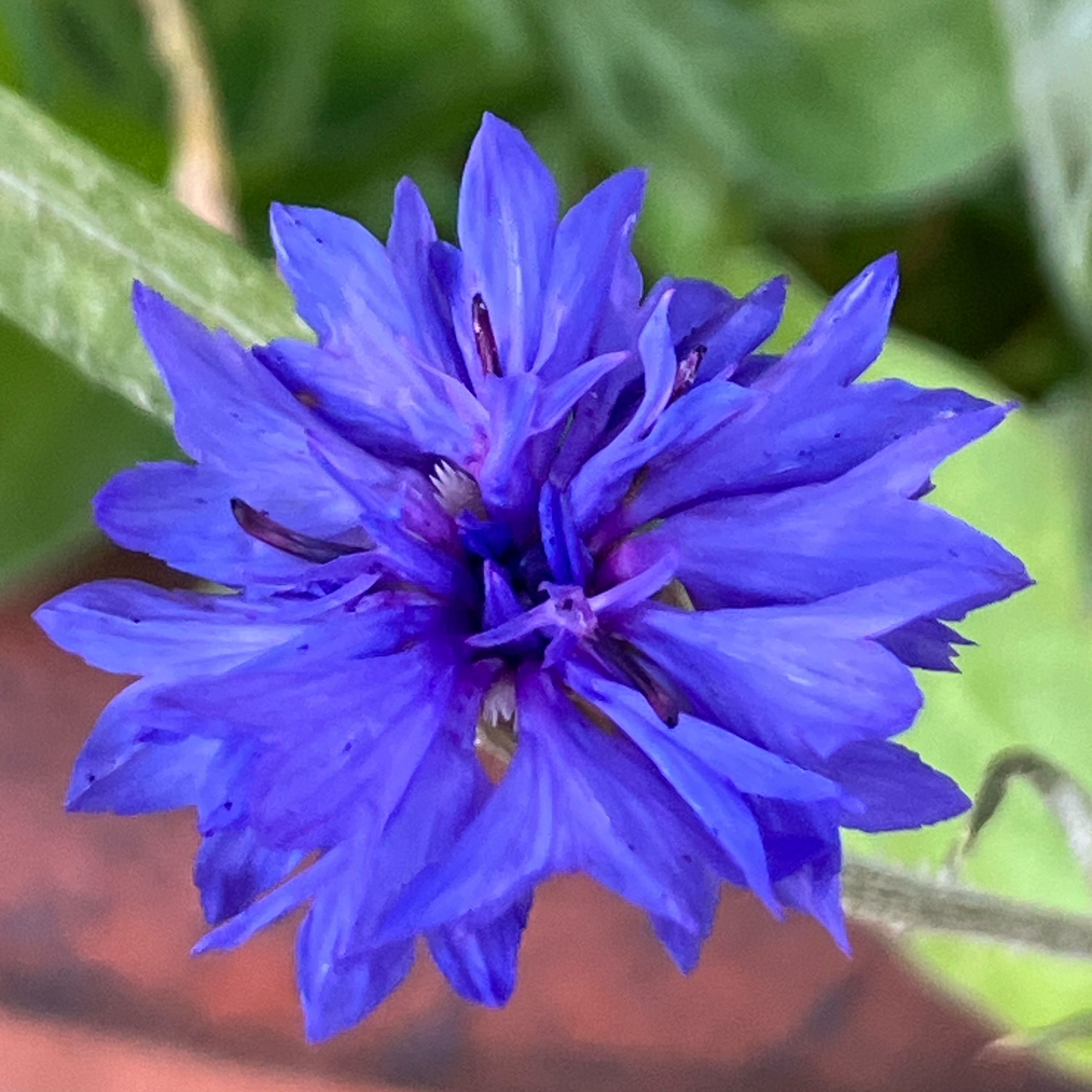
How to Grow a Blue Sunflower
Direct-sow Blue Sunflower seeds in spring after the last frost, in full sun and well-drained soil, scattering them onto bare soil and raking in lightly. The plants flower 8 to 10 weeks from seed and keep blooming through summer if you deadhead. Save seed at the end of the season for next year.

Where to plant
Blue Sunflower is a hardy annual that grows from seed to flowering in 8 to 10 weeks and dies at the end of the season. It performs in USDA zones 2 through 11 as a cool-season annual, growing 2 to 3 feet tall and roughly 1 foot wide.
Sun
Full sun is required for the heaviest bloom. At least six hours of direct sun a day, eight or more is better. Less than four hours of sun produces leggy plants that flop and bloom thinly.
Drainage
Well-drained soil is essential. Blue Sunflower originated as a weed in European grain fields and prefers lean dry conditions over rich wet ones. Heavy clay that stays soggy after rain causes root rot and weak floppy stems. Loosen tight soil with compost or plant on a slightly raised bed.
Soil
Average to lean garden soil works best. Heavy feeding produces tall floppy plants with fewer flowers. The plant actually performs better in poor soil that other annuals would struggle in, which is a useful trick for difficult corners of the yard.
Crop rotation
Move the planting around the yard from year to year rather than sowing the same spot every season. The plant self-seeds easily, and repeat plantings in one bed lead to weaker plants and more disease pressure. A 2-year break in any one bed keeps the stand vigorous.
How to plant
Direct-sow seeds in spring after the last frost, or in fall in zones 7 and warmer for an earlier spring bloom. The seeds germinate readily in cool soil and resent being moved as transplants.
-
1Prepare a clean seedbed Clear the area of weeds and break up the top two inches of soil with a rake. A loose crumbly surface gives the small seeds good contact and room to push roots down. Avoid working heavy compost into the bed — the plant prefers lean ground.
-
2Scatter seeds onto bare soil Sow at the rate of about half a teaspoon per square yard, scattered by hand. The seeds are dark and easy to see against light soil, so check the spacing as you go. Closer sowing gives a denser look but a slightly weaker individual plant.
-
3Rake the seeds in lightly Pass a rake gently across the surface to cover the seeds with a quarter inch of soil. The seeds need darkness to germinate, but burying them deep delays or prevents sprouting. A light pat with the back of the rake gives good seed-to-soil contact.
-
4Water gently Use a fine spray or watering can rose. A hard stream washes the seeds out of the bed. Soak until the top inch of soil feels uniformly damp.
-
5Keep the bed evenly moist until germination Seeds sprout in 7 to 14 days at soil temperatures around 60 degrees Fahrenheit. Water lightly every day or two so the surface does not dry out completely during the germination window. After the seedlings have two true leaves, taper watering to once or twice a week.
-
6Thin to 6 to 12 inches apart Once the seedlings have three or four true leaves, thin them by snipping the weakest at soil level. Spacing of 6 to 12 inches gives each plant room to bush out and bloom heavily. Crowded stands give thinner plants and more disease pressure.
Watering and feeding
Watering
Water deeply once a week through the establishment phase, soaking the root zone rather than wetting the foliage. A drip line or soaker hose at the base works best. Wet leaves spread fungal disease in dense plantings.
Once established and blooming, Blue Sunflower is drought-tolerant and gets by on rainfall in most climates. A deep soak during long summer dry spells keeps the bloom going, but routine watering produces floppy growth and weaker flowers.
Feeding
Skip heavy feeding. A light application of compost worked into the bed at planting is plenty. Heavy nitrogen produces tall floppy plants with fewer flowers and more pest pressure.
If the bed is genuinely poor and the plants look pale, a single light liquid feed at half strength early in the season is fine. Stop feeding once buds form.
Pruning and support
Blue Sunflower benefits from regular deadheading to keep flowering through summer. The plants are otherwise low-maintenance, with occasional staking needed in windy spots or for the taller varieties.
Pinching young plants
When seedlings have six to eight true leaves, pinch off the growing tip with clean fingers or scissors. New side shoots emerge from the leaf joints below the cut and fill the plant out, giving more flowering stems and a bushier shape. This single step doubles the eventual flower count on most plants.
Deadheading through the season
Cut off spent flowers as they fade, snipping the stem back to the next set of leaves or to a new flower bud. Deadheading stops the plant from setting seed and keeps it producing new buds for weeks longer than an unpruned stand. A quick weekly pass with hand shears handles a small bed.
Leave a few late-season flowers to set seed if you want a self-sown crop next year or want to save seed for sowing elsewhere.
Staking taller stems
Taller plants in exposed spots may flop after rain or wind. Push thin bamboo canes around the cluster of stems early in the season and run garden twine in a circle at 12 and 24 inches above the ground. Setting stakes early, before the plant flops, is far easier than trying to lift a tangled mat later.
Blooming and color
Blue Sunflower is grown for the bright clear blue daisy-like flowers, with some strains offering pink, white, and purple variants as well. The bloom lasts from late spring through summer with regular deadheading.
Bloom timing
Flowers begin opening 8 to 10 weeks after seed sowing, usually late May or June in most zones. Each plant produces dozens of blooms across the season, with a heavy peak in early summer and a lighter continuation through August or September if you deadhead.
Cutting flowers
The flowers make a long-lasting cut flower for arrangements. Cut stems early in the morning before the day heats up, with the bud just starting to open rather than fully out. Strip the lower leaves and place stems in cool water. Cut blooms hold for 5 to 7 days in a vase.
Saving seed
Leave a few late-season flowers on the plant and let them go to seed. Once the seed heads dry to brown, snip them off and shake the seeds into a paper envelope. Store in a cool dry spot through winter. Saved seed germinates well for one to two years, after which viability drops sharply.
Common problems and pests
Most Blue Sunflower complaints are weather-related — wet soil, dense humid summers, or aphid pressure on the buds. The plant is generally easy and forgiving as long as the soil drains well and the spot is sunny.
Floppy stems that fall over
Usually a combination of too-rich soil, too much shade, and lack of staking. Reduce feeding, move next year's planting to a sunnier spot, and set stakes early in the season before the plants reach blooming height. Plants in lean soil and full sun stand up on their own without help.
Powdery mildew on leaves
White dusty film on the leaves, common in humid summers and crowded stands. Thin the planting by pulling weaker stems so airflow improves. Water at the base in the morning so foliage dries by evening. A potassium bicarbonate or milk spray every 7 to 10 days slows the spread. Heavily affected plants still bloom but look ragged.
Aphids on flower buds
Small green or black insects clustered on developing buds. Knock them off with a strong spray of water early in the morning. Heavier infestations respond to insecticidal soap. Lady beetles eat aphids fast, so let any that show up stay on the plants.
Slug damage on seedlings
Round holes chewed through the leaves of young seedlings, often appearing overnight. Reduce hiding spots by clearing leaf litter and trimming nearby groundcovers. Iron phosphate bait works well and is safe around pets and wildlife. Once plants are taller than 6 inches, slug damage rarely affects them visibly.
Yellowing leaves in wet weather
Usually root stress from soggy soil. Improve drainage by lifting the bed with compost and topsoil, or move next year's planting to a better-drained spot. The plant evolved on dry European grain fields and never tolerates wet feet for long.
Stunted plants in hot weather
The plant prefers cool spring and early summer weather and slows down or quits when daytime temperatures climb past 90 degrees Fahrenheit. In hot summer climates, sow seed in early spring for an early-summer bloom and accept that the plant will be done by midsummer. A fall sowing in zones 7 and warmer gives a second bloom window.
Sparse bloom on tall leggy plants
Pinch the growing tip of young plants when they have six to eight true leaves to force branching. Also check the sun exposure — less than six hours of direct sun produces tall thin plants with few flowers. The fix is more sun next time, not more fertilizer.
Pale or off-color flowers
Sometimes simply the natural color of the seed strain, which can vary from clear blue to washed lavender depending on the source. Buy seed from a reputable supplier and look for named selections with strong color reports. Plants stressed by drought or heat sometimes also bloom paler than usual.
No germination
Seeds need darkness, so deep sowing or surface-only sowing both fail. Aim for a quarter inch of soil over the seed and keep the bed evenly moist until sprouts appear in 7 to 14 days. Cold soil below 55 degrees Fahrenheit also slows or prevents germination — wait for warmer ground if early spring is still chilly.
About This Article
