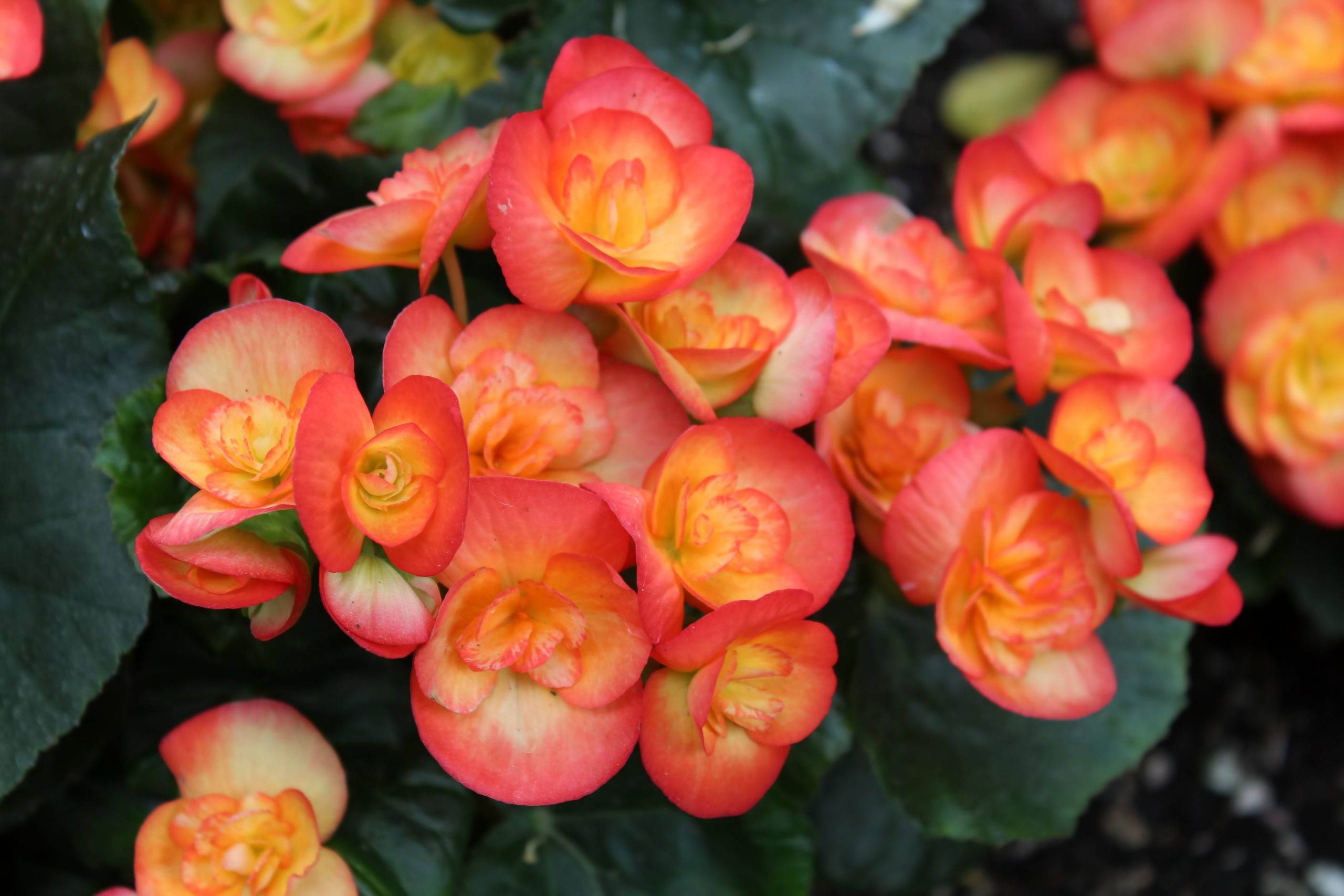
Tuberous Begonia

How to Fertilize Tuberous Begonia

Begonia x tuberhybrida
Reviewed by Kiersten Rankel M.S.
Quick Answer
Feed your Tuberous Begonia a balanced to high-phosphorus liquid fertilizer (like 15-30-15 or 10-10-10) at half strength every two weeks from spring through late summer. Stop feeding in fall when the foliage begins to yellow and the tuber prepares for winter dormancy.

When Should I Start Feeding My Tuberous Begonia?

Begin feeding Tuberous Begonias when new shoots emerge from the tuber in spring, and stop when the foliage dies back in fall, since this plant goes completely dormant in winter.

US feeding regions map
Pacific Mar–Oct
Mountain May–Sep
Midwest May–Sep
Northeast May–Sep
Southeast Apr–Oct
Stay on top of plant care
Get seasonal reminders for watering and fertilizing — personalized for your plants.
Try Greg Free

How Often Should I Fertilize My Tuberous Begonia?

Every two weeks during active growth (spring through late summer) is the sweet spot. Tuberous Begonias are vigorous growers that burn through nutrients quickly when they are in full bloom.

Start tapering in early fall. Switch to monthly feeding at quarter strength as the leaves begin to yellow. Once the plant dies back naturally, stop feeding entirely.

Signs of over-fertilizing include brown, crispy leaf edges and weak, leggy stems. If you see salt buildup on the soil surface, flush the pot thoroughly with plain water.

Feeding Calendar
Spring & Summer
Half-strength liquid every 2 weeks
Early Fall
Quarter-strength liquid monthly, tapering off as foliage yellows
Late Fall & Winter
No feeding (tuber is dormant)

What Is the Best Fertilizer for Tuberous Begonia?

Tuberous Begonias are heavy feeders that put massive energy into their large, showy flowers. A liquid fertilizer with a balanced or slightly higher phosphorus ratio (like 10-10-10 or 15-30-15) at half strength supports both foliage and bloom production.

Liquid fertilizer works best because you can dial in the concentration and it delivers nutrients quickly to the shallow root system. Slow-release granules are a decent backup, but they give you less control during the critical blooming window.

Avoid high-nitrogen formulas once flower buds appear. Too much nitrogen pushes leafy growth at the expense of blooms.

Synthetic
High-phosphorus formula ideal for heavy-blooming Tuberous Begonias. Mix 1/2 teaspoon per gallon.
Concentrated bloom formula with all essential nutrients. Use 1/4 teaspoon per gallon for biweekly feeding.
Organic
Gentle organic liquid that feeds soil biology along with the plant. Mix 1 tablespoon per gallon.
Granular organic bloom fertilizer. Work a tablespoon into the top inch of soil once a month during the growing season.

How Do I Fertilize My Tuberous Begonia?

1
Water your plant first
Thoroughly moisten the soil before feeding. Tuberous Begonia roots are fleshy and prone to fertilizer burn, especially when dry.
2
Dilute to half strength
Mix your liquid fertilizer at half the label rate. For a 15-30-15 concentrate, that is typically about 1/2 teaspoon per gallon of water.
3
Apply at the base of the plant
Pour the solution slowly onto the soil surface around the base. Keep fertilizer off the leaves and flower petals, as it can cause spotting and rot on the soft tissue.
4
Feed every two weeks while blooming
Maintain a consistent biweekly schedule from the time buds first appear until late summer. Consistent feeding produces the largest, most vibrant flowers.
5
Taper and stop in fall
When leaves begin to yellow in early fall, reduce to quarter strength monthly. Once the foliage has died back completely, stop all feeding and store the tuber in a cool, dry place for winter.

Got More Questions?

Should I fertilize my Tuberous Begonia during winter dormancy?
No. The tuber is completely dormant in winter and cannot absorb nutrients. Store it in a cool, dry place and resume feeding only when new shoots appear in spring.
What happens if I over-fertilize my Tuberous Begonia?
Leaf edges will turn brown and crispy, stems may become weak and leggy, and flowers can be smaller than expected. Flush the soil with plain water and skip the next one or two feedings.
Can I use coffee grounds on my Tuberous Begonia?
A small amount of used grounds mixed into the soil occasionally is fine since begonias prefer slightly acidic conditions. Do not apply them in large quantities, as they can compact the surface and promote fungal growth.
Why are my Tuberous Begonia flowers small even though I fertilize regularly?
If you are using a high-nitrogen formula, the plant may be putting energy into leaves instead of blooms. Switch to a fertilizer with higher phosphorus (the middle number) to redirect energy toward flowers.
Can I use banana peels to fertilize my Tuberous Begonia?
Banana peels decompose too slowly in containers to deliver useful nutrients during the short growing season. A liquid fertilizer is much more effective for feeding this fast-growing plant.
Stay on top of plant care
Get seasonal reminders for watering and fertilizing — personalized for your plants.
Try Greg Free

About This Article

Kiersten Rankel M.S.
Botanical Data Lead at Greg · Plant Scientist
About the Author
Kiersten Rankel holds an M.S. in Ecology & Evolutionary Biology from Tulane University. A certified Louisiana Master Naturalist, she has over a decade of experience in science communication, with research spanning corals, cypress trees, marsh grasses, and more. At Greg, she curates species data and verifies care recommendations against botanical research.
See Kiersten Rankel's full background on LinkedIn.
Editorial Process
Fertilizer recommendations verified against Begonia x tuberhybrida growth data from Greg's botanical database, cross-referenced with USDA hardiness zone data and published horticultural research.
3,977+ Greg users growing this plant
USDA hardiness zones 9a–11b