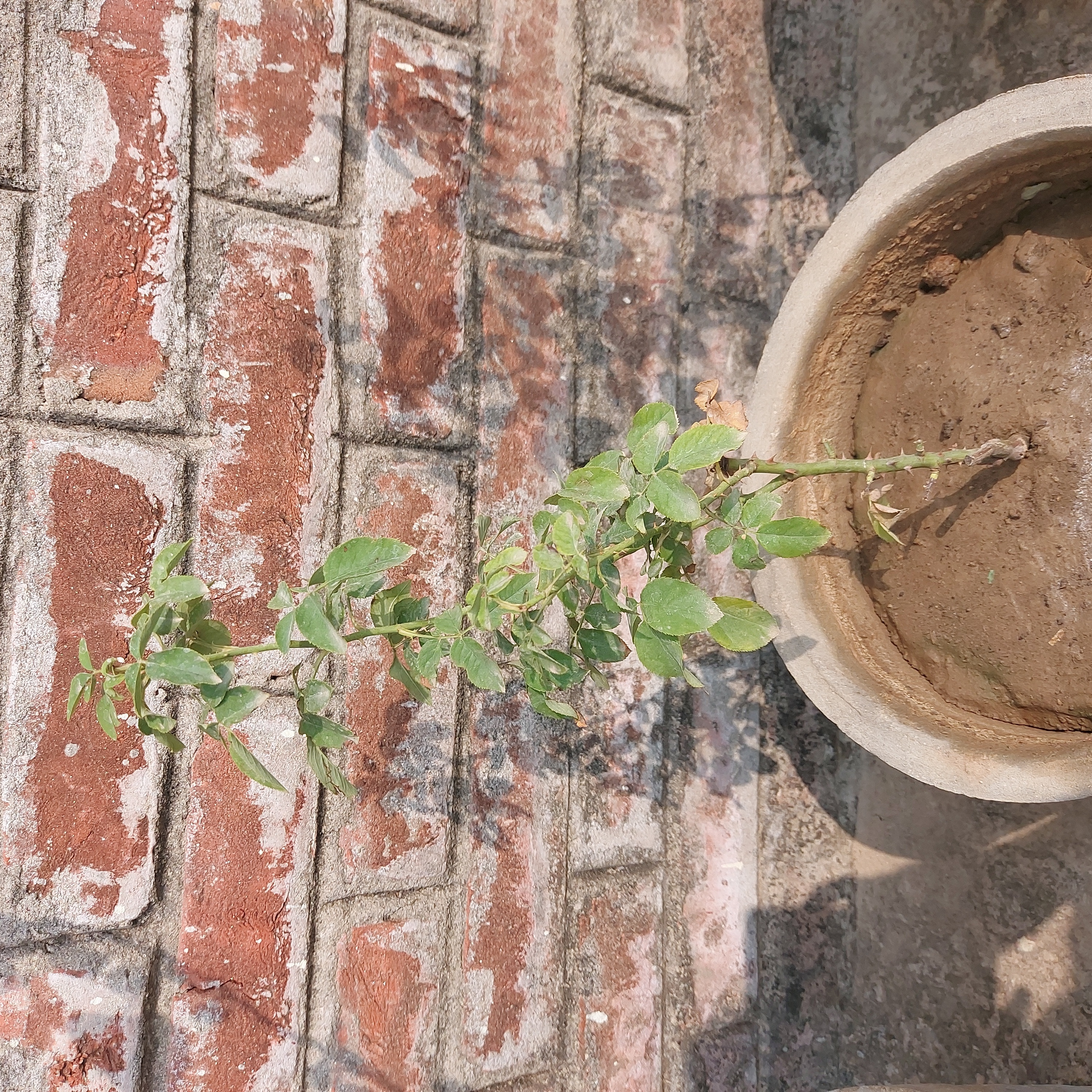
Parade Rose

How to Fertilize Parade Rose

Rosa 'Parade'
Reviewed by Kiersten Rankel M.S.
Quick Answer
Feed your Parade Rose with a balanced fertilizer that has extra phosphorus, such as a 4-6-4 or 5-9-5 ratio. Apply every 4 to 6 weeks during the growing season, starting when new leaves emerge in spring. Stop feeding about 6 weeks before your first expected frost.

When Should I Start Feeding My Parade Rose?

Begin feeding your Parade Rose when you see the first new red-tinted leaves unfurling in spring, which varies by region across its zones 5a through 9b range.

US feeding regions map
Pacific Feb–Oct
Mountain May–Aug
Midwest Apr–Sep
Northeast May–Sep
Southeast Mar–Oct
Stay on top of plant care
Get seasonal reminders for watering and fertilizing — personalized for your plants.
Try Greg Free

How Often Should I Fertilize My Parade Rose?

Feed every 4 to 6 weeks from the time new leaves appear in spring until about 6 weeks before your first expected frost. This usually means 4 to 5 applications per season.

After each flush of blooms, a light feeding encourages the next round of flowers. If you use a slow-release granular fertilizer, one application every 6 weeks is enough. Liquid fertilizer users should feed every 3 to 4 weeks at half strength.

Stop feeding in late summer or early fall. Late fertilizer encourages tender new growth that frost will damage. If leaf edges brown or the plant drops lower leaves, you may be overfeeding.

Feeding Calendar
Spring
First granular application when new leaves appear, full strength
Summer
Feed every 4–6 weeks through bloom cycles
Early Fall
Final light feeding 6 weeks before first frost
Late Fall & Winter
No feeding

What Is the Best Fertilizer for Parade Rose?

Parade Rose is a repeat-blooming climber that needs steady phosphorus to keep producing flowers. Look for a fertilizer with a ratio like 4-6-4 or 5-9-5, where the middle number (phosphorus) is higher than nitrogen. This supports strong root development and abundant blooms.

Granular slow-release rose fertilizers are the most practical choice. One application lasts several weeks, so you spend less time feeding. Liquid fertilizers work well too, especially for potted Parade Roses, but you will need to apply them more often.

Avoid high-nitrogen lawn fertilizers. They push leafy growth at the expense of flowers and can make the plant more vulnerable to disease.

Synthetic
Granular systemic formula that feeds and protects. Apply every 6 weeks during the growing season for steady blooms.
High-phosphorus liquid feed designed for roses. Mix 1 tablespoon per gallon and apply every 2 weeks.
Organic
Granular organic blend with beneficial microbes. Apply 1 cup per foot of plant height every 4 to 6 weeks.
High-phosphorus organic blend with bone meal and langbeinite. Scratch into soil around the drip line.
Concentrated organic phosphorus source. Mix a tablespoon into the planting hole or top-dress around established plants in spring.

How Do I Fertilize My Parade Rose?

1
Water deeply the day before
Give your Parade Rose a thorough soaking the day before you plan to fertilize. Dry roots are more likely to suffer chemical burn from concentrated nutrients.
2
Measure the granular fertilizer
Follow the label rate for the size of your plant. For a mature climber, scatter about half a cup of granular rose fertilizer around the base.
3
Spread evenly around the base
Distribute the granules in a ring about 6 inches from the stem out to the drip line. Keep fertilizer off the canes and leaves to prevent burn spots.
4
Scratch into the top inch of soil
Use a hand cultivator to work the granules lightly into the soil surface. This helps them break down faster and prevents runoff.
5
Water in thoroughly
Soak the root zone again after applying. For liquid fertilizer, mix at the label rate and pour slowly around the base, avoiding the foliage.
6
Reapply after each bloom flush
After deadheading spent flowers, give a light feeding to fuel the next round of buds. This keeps your Parade Rose blooming through the season.

Got More Questions?

Can I use banana peels to fertilize my Parade Rose?
Banana peels contain very little available potassium when left on the soil surface. They decompose slowly and can attract pests. A complete rose fertilizer delivers balanced nutrients far more reliably.
What happens if I over-fertilize my Parade Rose?
Leaf edges turn brown, lower leaves drop, and the plant may produce lots of foliage but few flowers. Flush the soil with deep watering and skip the next one or two feedings to let the plant recover.
Should I fertilize my Parade Rose in its first year after planting?
Wait until the plant is established, usually 4 to 6 weeks after planting. Then start with a half-strength application. Newly planted roses need to grow roots first, and too much fertilizer too soon can burn them.
Why is my Parade Rose growing lots of leaves but no flowers?
Too much nitrogen relative to phosphorus pushes leafy growth at the expense of blooms. Switch to a fertilizer with a higher middle number (phosphorus) and make sure the plant gets at least 6 hours of direct sun.
Can I fertilize my Parade Rose in winter?
No. The plant is dormant and cannot use the nutrients. Winter fertilizer sits in the soil, builds up salts, and can damage roots when growth resumes in spring.
Stay on top of plant care
Get seasonal reminders for watering and fertilizing — personalized for your plants.
Try Greg Free

About This Article

Kiersten Rankel M.S.
Botanical Data Lead at Greg · Plant Scientist
About the Author
Kiersten Rankel holds an M.S. in Ecology & Evolutionary Biology from Tulane University. A certified Louisiana Master Naturalist, she has over a decade of experience in science communication, with research spanning corals, cypress trees, marsh grasses, and more. At Greg, she curates species data and verifies care recommendations against botanical research.
See Kiersten Rankel's full background on LinkedIn.
Editorial Process
Fertilizer recommendations verified against Rosa 'Parade' growth data from Greg's botanical database, cross-referenced with USDA hardiness zone data and published horticultural research.
37+ Greg users growing this plant
USDA hardiness zones 5a–9b