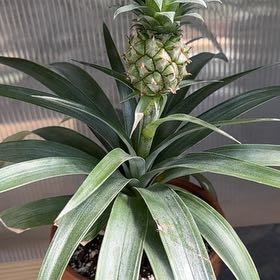
Best Soil for Pineapple
What Kind of Soil Does a Pineapple Plant Need?
Pineapple plants are bromeliads native to tropical South America, where they grow in thin, sandy, and often rocky soils with excellent drainage. Their root system is surprisingly shallow and compact for a plant their size, adapted to anchoring in well-aerated, fast-draining ground rather than drawing moisture from deep reserves.
Pineapple plants are frequently killed by overwatering in dense, heavy soil. Their roots are fine and compact, clustered near the surface, and they suffocate quickly when surrounded by saturated soil. The mix you use needs to drain within seconds of watering, not minutes.
Coarse sand is a key ingredient for pineapple soil because it creates the gritty, open texture their roots are adapted to. Perlite adds similar drainage properties while being lighter. A modest amount of potting soil provides the organic matter and nutrients the plant needs, but it should be a minority component rather than the base of the mix.
Acid-forming amendments like peat moss benefit pineapples both by improving moisture retention at low levels and by naturally lowering soil pH toward the acidic range these plants prefer. Commercial cactus and succulent mixes work reasonably well for pineapples as a starting point, with some peat added to bring the pH down and retain just a little more moisture.
What Soil Mix Should I Use for My Pineapple Plant?

What pH Does My Pineapple Plant Need?
Pineapples are strongly acid-preferring plants and grow best in soil with a pH between 4.5 and 6.5, with 5.5 being close to ideal. Commercial pineapple growers often aim for 5.0 to 6.0 specifically. This acidic range keeps iron and other micronutrients available for the plant. Check your mix with a soil pH meter or test strips, which are inexpensive and easy to use.
When soil pH rises above 7.0, pineapple leaves develop a pale, washed-out look and may turn reddish along the edges, signs of iron deficiency and possible manganese toxicity. At pH above 7.5, leaf tips may die back. These symptoms are common in tap-water-irrigated plants in hard-water areas, where mineral buildup gradually raises soil pH. Periodic flushing with water plus a small amount of diluted apple cider vinegar or citric acid can help correct this.
When Should I Refresh My Pineapple Plant's Soil?
For container pineapples, refresh the soil every 12 to 24 months. Sand and perlite do not break down meaningfully over time, but the organic fraction of the mix slowly decomposes and compacts. As the potting soil component breaks down, the drainage and aeration that make the mix suitable for pineapples start to decline.
Pineapples are slow growers overall, but they do produce offsets called ratoons or pups around the base. When you separate and repot a pup, always use fresh mix rather than transferring it into the parent plant's old soil. Spring is a good time to repot since warmer temperatures help the plant recover quickly from root disturbance.
What Soil Amendments Does a Pineapple Need in the Ground?
Pineapples have a shallow, fibrous root system that spreads wide but does not go deep. They need light, acidic soil (pH 4.5 to 5.5) that drains very quickly, since their roots rot easily in standing water.
For clay soil, mix in coarse sand, pine bark, and a moderate amount of compost to create a fast-draining, slightly acidic bed. Raising the planting area a few inches above grade gives extra protection against pooling water. Sandy soil is actually close to a pineapple's ideal, just add some compost and a thin layer of pine needle mulch to maintain acidity and provide slow-release nutrients. Choose a full-sun spot, and space plants about two feet apart so their rosettes have room to spread.
Got More Questions?
About This Article
