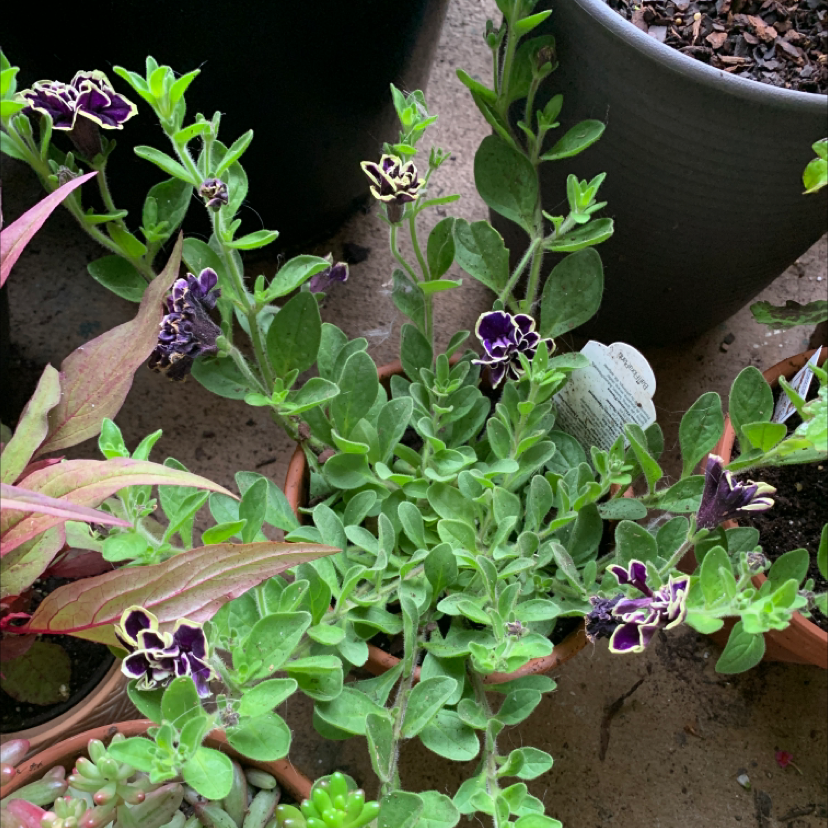
Best Soil for Midnight Gold Petunia
What Soil Does Midnight Gold Petunia Need?
Petunias are fast-growing annuals that push out flowers continuously from spring through frost. They have fibrous, active root systems that need good aeration and drainage — roots sitting in wet, dense soil will rot quickly, cutting the blooming season short. Think light and airy, not rich and heavy.
Petunias are one of the most popular container and hanging basket flowers precisely because they thrive in well-drained potting mixes and produce flowers at a remarkable rate. Midnight Gold Petunia, with its distinctive gold and deep purple blooms, has the same soil preferences as other hybrid petunias: light, fast-draining, and moderately fertile.
A quality all-purpose or annuals potting mix is a good base. Adding 20–25% perlite helps prevent the compaction that happens over a full growing season in containers, especially in warm climates where watering is frequent. Heavy, peat-dense mixes without added drainage material tend to stay wet too long, which invites fungal root diseases that can wipe out a hanging basket mid-season.
Petunias are moderate feeders. Rather than using a very rich mix at planting, it is better to start with a balanced mix and supplement with liquid fertilizer every 1–2 weeks once flowering begins. This approach gives you control over feeding without the risk of burning young roots with hot, nutrient-loaded soil.
What Soil Mix Should I Use for My Midnight Gold Petunia?

What pH Does My Midnight Gold Petunia Need?
Midnight Gold Petunia, like all hybrid petunias, prefers a slightly acidic soil pH between 5.5 and 6.5. In this range, iron and other micronutrients are readily available, supporting the dense flower production that makes petunias popular. Check pH with a meter or test strips before filling containers — this is especially worthwhile if you are mixing your own blend.
If the pH creeps above 7.0, petunias often develop interveinal chlorosis (yellow leaves with green veins), a telltale sign of iron deficiency. This is common when using hard tap water over a long season. Below 5.5, manganese toxicity can cause similar yellowing but on younger leaves. In containers, pH can drift over the season; periodic flushing with filtered water and use of a slightly acidic fertilizer helps keep it stable.
When Should I Replace My Midnight Gold Petunia's Soil?
As an annual, Midnight Gold Petunia completes its life cycle in a single season and should not be overwintered in the same container soil. Replace all potting mix at the start of each new growing season. Reusing old petunia soil risks carrying over fungal pathogens and depleted nutrients that will limit performance from the first weeks.
Midseason, if plants look stressed, roots are circling the pot, or the mix has compacted significantly, a mid-season top dressing of fresh mix or a transplant into a larger container can revive performance. Hanging baskets in particular dry out rapidly and benefit from fresh mix annually to maintain the light, airy texture that petunias need.
How Do I Prepare Garden Soil for Midnight Gold Petunias?
Petunias are heavy bloomers that need fertile, well-drained soil to keep producing flowers all season. Their roots spread quickly through loose ground but struggle in anything compacted or waterlogged.
Amend clay soil with compost and coarse perlite to lighten the texture and keep water from pooling around the root zone. Sandy soil drains well on its own but needs compost and a slow-release organic fertilizer mixed in at planting time to fuel continuous blooming. Choose the sunniest bed you have, since petunias flower most heavily with at least six hours of direct light.
Got More Questions?
About This Article
