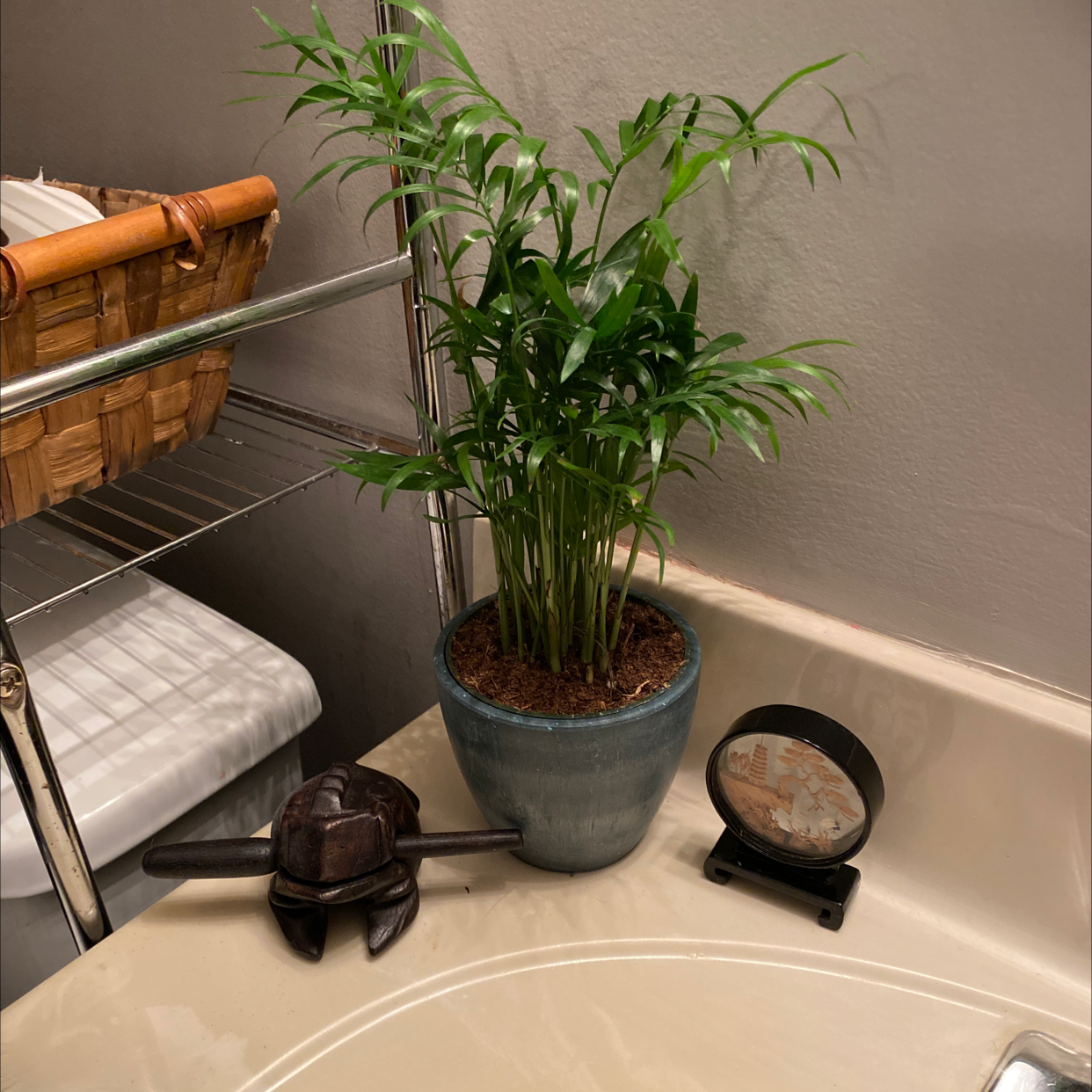
Best Soil for Parlour Palm
What Soil Does a Parlour Palm Need?
Parlour Palm (Chamaedorea elegans) is a small, shade-tolerant palm from the forest understory of tropical Mexico and Guatemala. In its native habitat, it grows in organically rich, well-drained soils that stay consistently moist from humidity and dappled rainfall but never become waterlogged. It needs a similar balance indoors: enough moisture retention for its fibrous roots, with drainage that prevents rot.
Parlour Palm is one of the more forgiving palms for indoor growing, but its soil preferences are specific. It wants a mix that holds moisture well enough to stay lightly damp between waterings, while draining freely enough that the roots never sit in stagnant water. Root rot is the most common way to lose this plant, and it almost always starts with dense, poorly draining soil.
A quality indoor or all-purpose potting mix with added perlite strikes the right balance. Perlite improves drainage and keeps the mix from compacting down to a brick-like density over time, which is a real problem for palms that stay in the same container for years. Coarse sand can substitute for perlite if needed. Avoid mixes heavy in water-retaining crystals or those designed for moisture-loving plants like ferns.
Parlour Palm also benefits from slightly acidic soil that mirrors the naturally organic, mildly acidic tropical forest floors it comes from. A mix blended with some compost or peat provides a gentle acid buffer and adds trace nutrients over time.
What Soil Mix Should I Use for My Parlour Palm?

What pH Does My Parlour Palm Need?
Parlour Palm prefers a slightly acidic to neutral soil pH of 6.0–7.0. Most quality indoor potting mixes fall within this range already, but it is worth checking with a pH meter or test strips if you are blending your own mix or if your tap water is unusually hard. Hard water applied repeatedly can push the soil pH upward toward alkaline over months.
When pH drifts above 7.5, Parlour Palm can develop tip browning and interveinal yellowing as iron and manganese become less available. Below 5.5, the mix becomes too acidic for comfortable root activity and nutrient uptake. Palm fertilizers formulated with micronutrients help maintain overall health in either direction, but addressing the soil pH is the more effective long-term fix.
When Should I Replace My Parlour Palm's Soil?
Parlour Palm is a slow grower that can stay in the same pot for several years, but the soil itself ages faster than the roots exhaust it. After 2–3 years, the organic components of the potting mix break down and compact, reducing aeration. When you notice water draining more slowly than usual, or the soil surface stays wet for more than a day after watering, it is time to refresh.
Repotting is best done in spring. Parlour Palm is sensitive to root disturbance, so handle the root ball gently and avoid breaking up the roots more than necessary. Move up only one pot size at a time — too large a container holds excess moisture that the roots cannot use. If the plant has not outgrown its pot, you can refresh just the top half of the soil without a full repot.
What Soil Does a Parlour Palm Need in the Garden?
Parlour Palms have fine, shallow roots that prefer soft, moist soil with plenty of organic matter. They grow naturally in the shaded understory of tropical forests, where the ground is rich and spongy.
If you are planting outdoors in a warm climate, loosen clay soil with compost and fine bark to give the roots room to breathe. Sandy soil needs compost and leaf mold mixed in to retain enough moisture, since Parlour Palm roots dry out easily. A fully shaded or deeply filtered light spot is essential, as direct sun will burn the delicate fronds.
Got More Questions?
About This Article
