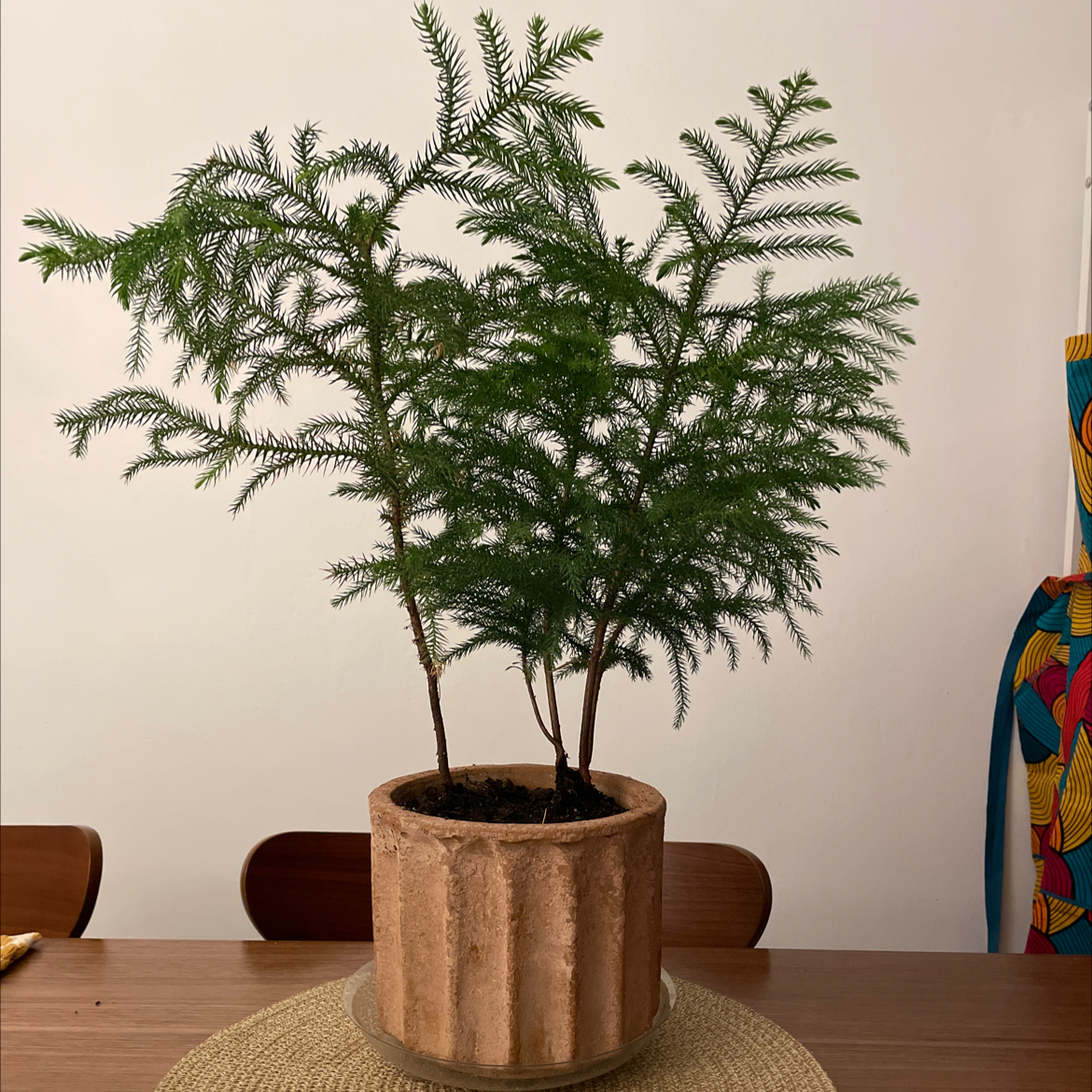
Best Soil for Norfolk Island Pine
What Soil Does a Norfolk Island Pine Need?
In its native habitat on Norfolk Island, this conifer grows in moderately moist, well-aerated volcanic soils with excellent drainage. Indoors it wants a mix that holds some moisture without staying wet, with enough texture to keep roots from suffocating.
Standard potting mix alone tends to compact and hold too much water for a Norfolk Island Pine, which is prone to root rot when its feet stay soggy. You want a blend that drains freely while still retaining enough moisture to prevent the roots from drying out completely between waterings.
Adding perlite opens up the texture so air can circulate around the roots. A small amount of peat moss or pine bark lowers the pH toward the slightly acidic range this conifer naturally prefers, and it improves the overall structure of the mix. The fibrous root system benefits from a medium-weight soil, not too heavy and not so gritty it sheds water instantly.
What Soil Mix Should I Use for My Norfolk Island Pine?

What pH Does My Norfolk Island Pine Need?
Norfolk Island Pine prefers a slightly acidic soil in the 5.5 to 6.5 range, which mirrors the volcanic soils of its island home. You can check where your mix falls with a simple soil pH meter or test strips from any garden center.
When the pH creeps too high, iron and manganese become harder for the roots to absorb, and the lower needles start to yellow even when watering and light are fine. If the soil goes too acidic below 5.0, nutrient uptake slows across the board and new growth may look pale or stunted.
When Should I Replace My Norfolk Island Pine's Soil?
Plan to refresh or repot every two to three years. Potting mix breaks down gradually, and the peat and bark components lose their structure over time, turning into a dense, compacted mass that drains poorly. Spring, when the plant is coming out of its slower winter phase, is the best time to repot.
Norfolk Island Pines are slow to moderate growers, so they rarely outpace their pots quickly. Focus on soil quality rather than pot size: if the mix still looks loose and drains well after two years, a top-dress of fresh soil can buy you another season before a full repot.
What Soil Amendments Does a Norfolk Island Pine Need in the Ground?
If you're planting a Norfolk Island Pine outdoors in a warm climate, it needs slightly acidic, well-drained soil that stays lightly moist. In the wild these trees grow in volcanic island soil that is loose, mineral-rich, and never waterlogged.
For clay soil, mix in compost, pine bark, and coarse sand to open up the structure and improve drainage around the root zone. Norfolk Pines develop a relatively shallow root system for their height, so keeping the top layer loose and aerated matters. Sandy soil benefits from compost and a layer of pine needle mulch to maintain acidity and help retain moisture. Plant in a sunny spot with some protection from strong coastal or afternoon winds, which can dry out and damage the symmetrical branch structure.
Got More Questions?
About This Article
