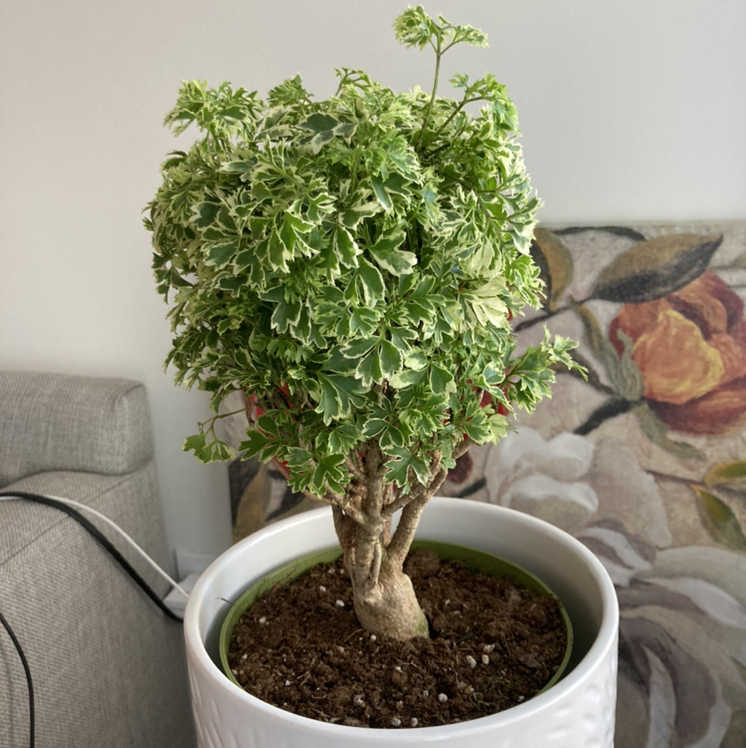
What's Wrong with My Ming Aralia?

Common Ming Aralia Problems
Leaf drop
Ming Aralia is one of the most sensitive houseplants to change. Moving the pot, a new location, a repot, a sudden temperature shift, or even rotating the plant can trigger it to shed most of its leaves within days. The fine compound leaves drop in response to any stress the plant can't immediately absorb, and the drop happens fast.
Ming Aralia's fine roots rot quickly in waterlogged soil. Once the roots are damaged, the plant can't support its leaf load and sheds aggressively. The leaves often yellow slightly before dropping, and the drop usually starts at the base and moves upward.
A bone-dry pot stresses this plant just as badly as a soggy one. Ming Aralia's many small leaflets create a large collective surface area that transpires constantly, so the pot can dry out faster than expected. Leaves drop without much warning when the plant runs dry.
Brown crispy leaves
Ming Aralia is native to humid tropical environments and needs 60% humidity or higher to thrive indoors. Its finely divided compound leaves have enormous collective surface area relative to their thickness, which means they lose moisture to dry air faster than almost any other houseplant. Tips and edges brown first, then entire leaflets crisp up and drop.
When the soil runs too dry between waterings, Ming Aralia's small leaflets lose moisture faster than the roots can replace it. The finest leaf tips are the first to crisp and brown. The damage looks similar to low humidity but check the soil to tell them apart.
Yellow leaves
This is the most common cause of yellowing on Ming Aralia. The plant's fine roots suffocate and rot in wet soil, stopping nutrient uptake. Leaves yellow from the bottom of the plant upward as the plant pulls nutrients back from its oldest growth first.
As Ming Aralia pushes new growth from branch tips, the oldest inner and lower leaves yellow and drop. This is normal reallocation. If only a few interior or bottom leaves are yellowing while the rest of the plant looks healthy and the tips are growing, no action is needed.
Leggy bare stems
In low light Ming Aralia stops pushing new leaves and existing foliage thins out, leaving long bare woody stems with sparse growth only at the tips. The plant's naturally upright, branching architecture means the legginess is especially obvious. This species needs bright indirect light to maintain its dense, layered foliage.
Bare stems are also a normal stage after a leaf-drop episode. Once the plant has stabilized in its new spot, it leafs back out from the branch tips over the course of several weeks. Bare stems with firm, healthy wood are not dead, they are waiting.
Spider mites
Spider mites thrive in low humidity, and Ming Aralia's finely divided, delicate foliage is one of their preferred habitats. The tiny leaflets give mites enormous surface area to colonize, and the dense branching structure provides shelter. Look for pale stippling across the leaflets and fine webbing strung between leaf clusters. Infestations spread fast on this species.
Mushy stem base
Prolonged overwatering collapses Ming Aralia's fine root system entirely, and rot climbs into the woody base. Once the stem is soft and dark at the soil line, the roots are gone. The plant will continue to shed leaves and decline rapidly from this point.
Preventing Ming Aralia Problems
About This Article
