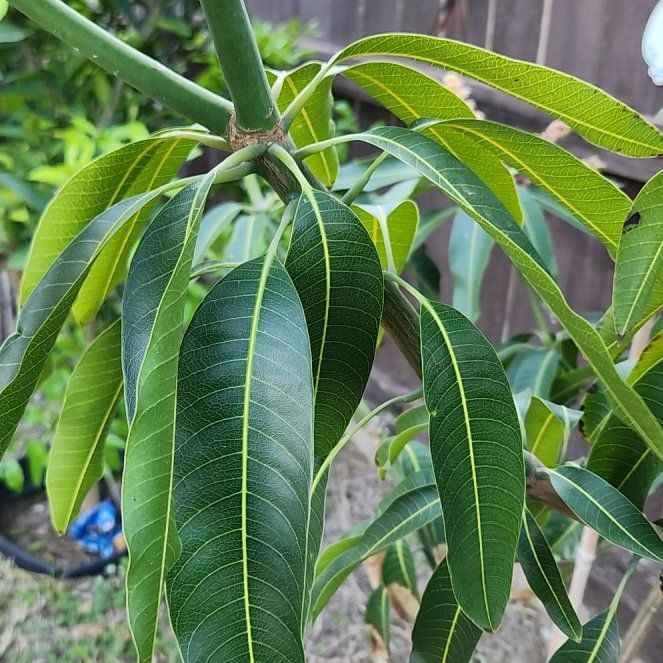
Common Mango Problems
Mangifera indica
By the Greg Editorial Team
Jun 08, 2024•12 min read
This article was created with the help of AI so we can cover more plants for you. May contain errors. See one? Report it here.
Prevent mango mishaps π₯ and ensure a thriving harvest with this essential guide to common plant problems.
- Discoloration and stunted growth signal mango plant distress.
- Consistent watering and temperature are key to mango health.
- Regular pest and disease checks prevent significant damage.
Symptoms of Unhealthy Mango Plants
Identifying distress in mango plants is crucial for their survival. Let's dive into the warning signs.
π Visual Symptoms
Discoloration of leaves or premature dying is a red flag. Black blotches may indicate anthracnose, a fungal disease. Blemishes on fruits and stunted growth shout for attention, while mushy leaves with a darker perimeter scream rot.
π± Growth Issues
Deformities or stunted mangoes within clusters can signal nutrient allocation issues. A tree's strategic sacrifice of weaker fruits to save stronger ones is a natural, yet concerning phenomenon.
π‘οΈ Temperature and Water Stress
Mango trees are drama queens when it comes to temperature; they dislike both the chills and the heatwaves. Floppy leaves might trick you into overwatering, but don't be fooledβconsistency is key.
π Pests and Diseases
Pests like scale insects and spider mites, along with diseases, can turn your mango plant's life into a nightmare. Keep an eye out for any unusual activity or damage.
π¨ Immediate Actions
Don't wait around. Each symptom is a plant's cry for help. Act fast to prevent a small issue from becoming a full-blown crisis.
Resolving Inconsistent Watering
π° Identifying Signs of Erratic Watering
Erratic watering can leave your mango plant's life hanging in the balance. Leaf droop is a telltale sign of inconsistency, much like the mood swings of a teenager. Your plant's leaves might also display a yellow tinge, signaling distress.
πΏ Steps to Achieve Balanced Watering
To get your mango plant's hydration on track, think of it as a Goldilocks scenario - not too much, not too little, but just right.
Check Soil Moisture
Before you even think about watering, do the finger test. Plunge your finger a couple of inches into the soil; if it's dry, it's time to water. If it's damp, hold off.
Watering Schedule
Consistency is key. While sticking to a rigid schedule isn't ideal, creating a routine based on your plant's needs is. Adjust for seasonal changes; your plant will drink less during the cooler months.
Watering Technique
When you water, do it slowly to let the moisture reach the roots. Think of it as a slow dance rather than a frantic disco. Ensure you're watering the soil, not the leaves, to avoid fungal parties.
Monitor and Adjust
Keep an eye on your plant. If you notice signs of over or underwatering, adjust your approach. Remember, plants are like people; they have changing needs and want you to pay attention.
Use Quality Water
If your tap water is harder than a calculus exam, consider using filtered or rainwater. Your mango plant will thank you for it.
By following these steps, you'll provide your mango plant with the consistent hydration it craves, avoiding the rollercoaster of erratic watering. Keep it steady, and your plant will be as content as a cat in a sunbeam.
Correcting Light Issues
π‘ Recognizing Symptoms of Inadequate Light Exposure
Mango plants whisper their needs through their leaves. If you notice your mango plant's leaves turning pale, growing smaller, or the plant is reaching out like it's trying to grab something, it's craving more light. These visual cues are your cue to act.
π‘ Adjusting the Plant's Environment for Optimal Light
Sunlight is the best makeup for your mango plant; it highlights its best features. To give it the glow-up it deserves, move it closer to a window that bathes in sunlight, preferably one facing south or west. Remember, your plant's not trying to get a tan, so avoid direct, harsh sunlight that can cause leaf scorch.
π‘ Trial and Error: Finding the Sweet Spot
No two mango plants have the same thirst for light. Some like it hot, some not. Watch for signs of distress, and be ready to shuffle your plant around. It's like a dance, finding the right spot where your plant can bask without baking.
π‘ Avoiding Light Pollution
Even plants need their beauty sleep. Make sure your mango plant isn't kept awake by street lamps or your late-night binge-watching sessions. Darkness is as crucial as light for your plant to rest and recover.
π‘ Adapting Light Indoors
If your indoor lighting is more 'meh' than 'marvelous', consider artificial lights. They're like a stand-in for the sun when the real deal is playing hard to get. Rotate your plant regularly to prevent it from doing the Leaning Tower of Pisa impression.
π‘ Light Requirements by Season
Your mango plant doesn't need the same amount of light year-round. As seasons change, so should your plant's position. In winter, it might need to be closer to the light source, while in summer, it may appreciate a step back. It's all about keeping that light love in balance.
Stabilizing Temperature Fluctuations
π‘οΈ Detecting Temperature Stress
Mango plants are temperature sensitive. High heat can throttle their photosynthesis, while cold snaps may lead to chilling injuries on the fruit. Look for signs like wilted leaves or poor fruit development, which scream temperature distress.
π‘οΈ Consistent Temperature Maintenance
Consistency is key. Aim to keep your mango plant in the sweet spot between 21Β°C (70Β°F) and 23Β°C (75Β°F). Avoid drastic temperature swings; more than a 5-10Β° F change can send your plant into shock.
π‘οΈ Creating a Stable Environment
Indoor mango trees thrive with regular misting and a watchful eye on the thermostat. If you're growing in a less controlled environment, like a greenhouse, consider using row covers or shade cloth to buffer against temperature extremes.
π‘οΈ Technological Aids
For the tech-savvy gardener, low-cost equipment like thermostatically controlled heaters can be a game-changer. They help maintain a constant temperature, especially during unpredictable weather.
π‘οΈ Natural Adjustments
Sometimes, the best tools are the simplest. Positioning your plant to avoid cold drafts or direct, scorching sunlight can prevent temperature stress. And remember, a stressed mango is a sad mango. Keep it happy with a stable, comfy climate.
Addressing Over-Watering
Over-watering can drown your mango plant's roots in excess moisture, leading to a host of issues. Yellowing leaves and a general look of unhappiness are telltale signs.
π± Spotting the Symptoms
- Constantly wet soil is a red flag.
- Light green foliage indicates distress.
π‘οΈ Strategies for Prevention
- Check the soil before watering; it should be dry to the touch.
- Ensure pots have adequate drainage to prevent waterlogging.
- Adjust watering frequency with the seasons; plants need less in the cooler months.
π Rescuing Over-Watered Mango Plants
- Move plants to a shady area if wilting occurs.
- Hold off on fertilizing until new growth is evident.
- For severe cases, repot with fresh, well-draining soil.
- Consider a broad-spectrum fungicide for fungal issues due to over-watering.
Remember, a mango plant's thirst varies, so water wisely to keep those roots breathing easy.
Combatting Under-Watering
Under-watering can leave your mango plant gasping for moisture. Recognize the signs: wilted or droopy leaves, dry soil, and brittle stems.
π§ Signs of Under-Watering
- Wilted leaves: A classic distress call.
- Dry soil: If it feels like a desert, it's time to hydrate.
- Brittle stems: Snap easily? Your plant's parched.
- Slow growth: Less water, less vigor.
- Leaf tip browning: The edges tell a thirsty tale.
π° Tips for Adequate Hydration
- Check soil moisture: 2 inches deep? If dry, it's time to water.
- Water deeply: Ensure the roots get their share.
- Consistent schedule: Regularity is key, but adjust to your plant's needs.
- Soil mix matters: Use a free-draining compost to prevent waterlogging.
- Monitor closely: Keep an eye out for subtle changes.
Remember, a thirsty mango plant is a sad sight. Quench its thirst, and you'll have a happy, healthy tree.
Managing Pests on Mango Plants
π Identifying Common Mango Pests
Mango plants are magnets for certain pests. Aphids and mites suck sap, weakening the plant, while mealybugs and scales leave sticky residues and cause foliage to yellow. Look for telltale signs like webbing, honeydew, or distorted leaves. Scolytid beetles can attack stems, causing significant structural damage.
π Effective Pest Control Solutions
Regular inspection is key. For mites and aphids, a strong water spray can dislodge pests. Insecticidal soaps or horticultural oils are effective against mealybugs and scales. Physical removal with a toothbrush and rubbing alcohol can be a hands-on solution. Encouraging natural predators by fostering a biodiverse garden helps keep pest populations in check. For severe infestations, neem oil or other plant-friendly pesticides may be necessary. Sticky traps can catch flying pests, and rotating crops can prevent future infestations. Avoid overuse of chemicals to maintain a balance of beneficial organisms.
Treating Leaf Scorching
Leaf scorch in mango plants often manifests as browning edges and yellowing between veins. It's a distress signal, indicating that your mango is throwing in the towel against environmental onslaughts like intense heat or light.
πΏ Recognizing Leaf Scorch
Leaf scorch isn't shy; it starts at the leaf tips and creeps inward, a telltale sign of a plant under siege by its own habitat. It's not a disease, but a symptom of the plant's struggle with hot, windy, or arid conditions. If you spot leaves looking like they've had a rough day at the beach, it's time to act.
π‘οΈ Shielding from Harsh Conditions
Move it or lose it. If your mango is baking like a pie in the sun, relocate it to a less exposed spot. Think of it as witness protection from the solar glare. Companion planting can also be a savior, with taller plants playing bodyguard, providing shade to their sun-sensitive buddies.
βοΈ Pruning and Aftercare
After pruning, it's not just about healing cuts but also about preventing future scorch. Improve air circulation by removing branches that are too cozy with each other, reducing the risk of diseases that can add insult to injury.
π Environmental Adjustments
Screens can be a mango's best friend, especially in windy locales. They're like sunglasses for your plant, filtering out the harshness. But remember, the best spot for a mango is where it can bask in gentle, indirect sunlight without getting a sunburn.
π§ Hydration and Recovery
When the heat is on, water is your mango's best ally. Increase watering to help it cope with the stress. It's like giving your plant a spa day after a marathon in the desert.
π« Preventing Future Episodes
To avoid the scorched look in the future, keep your mango in a Goldilocks zoneβnot too hot, not too cold, just right. And if pests are gate-crashing the party, show them out with organic remedies before they make a meal of your mango's leaves.
Remember, leaf scorch is more of a cosmetic issue in an otherwise healthy plant. But let's not downplay the importance of good looksβespecially when it comes to the pride and joy of your garden.
Eliminating Mold and Fungus
π Spotting Fungal Infections
Brown to black spots on leaves often signal a fungal issue, with young leaves being especially vulnerable. Humidity and wet conditions are your enemy here, creating a playground for fungi like anthracnose.
π Implementing Treatments
Fungicides are your go-to. Options like Mancozeb or copper sprays are effective. Apply during flowering and continue monthly until harvest. For isolated spots, neem oil can be a gentler alternative.
π¬ Environmental Changes
Boost air circulation; it's like turning off the tap for fungal growth. Ensure your mango plant isn't sitting in stagnant, moisture-laden air. Open windows or use a fan if indoors. Outdoors, proper plant spacing is key.
π¦ Moisture Management
Avoid overhead watering. This is like throwing a party for fungi. Water at the base to keep leaves dry and happy. If you've been heavy-handed with the watering can, it might be time to dial it back.
π§Ή Sanitation Practices
Keep it clean. Remove affected leaves and debris to prevent the spread. It's like taking out the trash; you don't want it piling up and causing problems. Sanitize your tools to avoid spreading the funk.
π‘ Preventative Measures
Preventive fungicides can be a safety net for your mango plant. Think of it as insurance against fungal freeloaders. Apply them as directed, especially if you've had issues before or live in a high-humidity area.
Overcoming Root Rot
Root rot in mango plants is a silent killer, often going unnoticed until it's too late. Recognizing the signs is crucial for the survival of your plant.
π¨ Recognizing Root Rot
Wilting leaves and a general lack of vigor can be deceptive, masquerading as under-watering. However, if the soil feels soggy and you spot brown or black mushy roots, you're likely dealing with root rot.
π οΈ Steps to Rescue a Mango Plant from Root Rot
- Unpot the Plant: Gently remove your mango plant from its pot to inspect the extent of the damage.
- Root Assessment: Snip off the dead roots with sterilized shears, keeping only the healthy ones.
- Fresh Start: Repot in fresh, well-draining soil to give your plant a fighting chance.
- Water Wisely: Resist the urge to water immediately. Let the plant settle and only water when the top inch of soil is dry.
- Environmental Control: Ensure your plant has adequate air circulation and light, but not direct scorching sun.
- Preventive Care: Avoid over-watering in the future and consider using a fungicide as a preventive measure.
Remember, over-watering is often the culprit, so keep a close eye on your watering habits post-recovery.
Prevention Strategies for Common Issues
Preventing common mango plant problems starts with vigilance. Regularly inspect plants for early signs of distress, ensuring quick action can be taken.
π° Specific Preventative Practices
- Water Wisely: Over-watering and under-watering can spell disaster. Stick to a consistent watering schedule, adjusting only as seasonal conditions demand.
- Pot and Soil: Use clean pots and sterile potting media to avoid introducing pathogens.
- Pruning: Keep tools disinfected and prune properly to prevent the spread of disease.
- Quarantine New Plants: Always inspect new additions and keep them isolated before introducing them to your garden.
- Fertilization: Balance is key. A well-rounded diet keeps mango plants robust and resistant to pests and diseases.
π Monitoring Techniques
- Check Regularly: Like a hawk, keep an eye on your mango plants, watching for the slightest change in leaf color or texture.
- Environmental Checks: Ensure the plant's environment remains stable, with adequate light and protection from extreme temperatures.
- Pest Patrol: Be proactive. At the first sign of pests, employ water blasts, insecticidal soaps, or horticultural oils.
- Disease Detection: If a disease is suspected, act fast with appropriate fungicides and cultural practices.
By adopting these strategies and staying on top of plant care, you can prevent many common issues that afflict mango plants.
β οΈ Safety First
This content is for general information and may contain errors, omissions, or outdated details. It is not medical, veterinary advice, or an endorsement of therapeutic claims.
Always consult a qualified healthcare professional before using any plant as food, medicine, or supplement.
Never eat any plant (or feed one to pets) without confirming its identity with at least two trusted sources.
If you suspect poisoning, call Poison Control (800) 222-1222, the Pet Poison Helpline (800) 213-6680, or your local emergency service immediately.
Spotted an error? Please report it here.