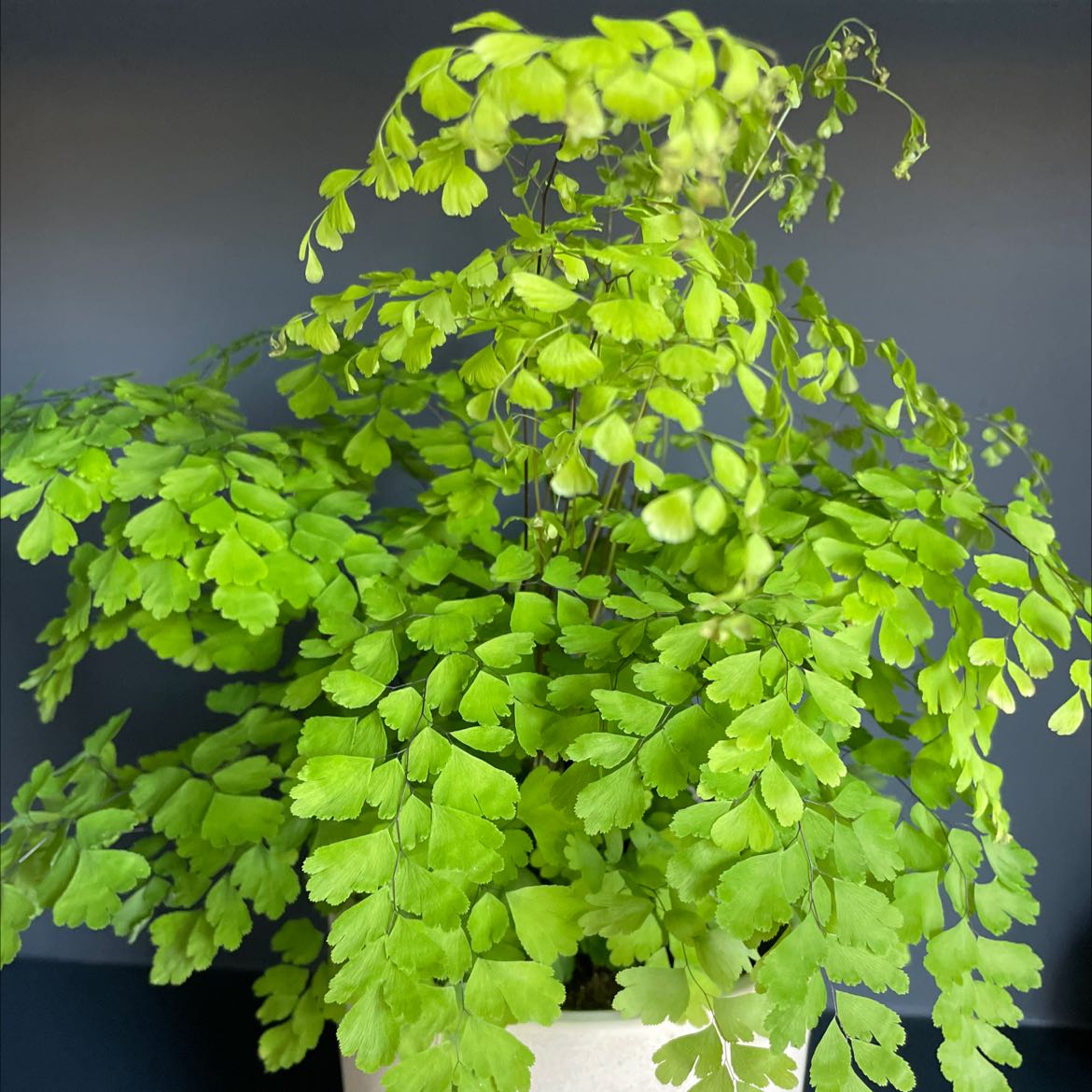
Best Soil for Maidenhair Fern
What Kind of Soil Does a Maidenhair Fern Need?
Adiantum capillus-veneris grows naturally near streams, waterfalls, and damp limestone cliffs, where the soil is rich in humus, consistently moist, and well-aerated by the surrounding rock structure. Indoors, it needs a mix that mimics that environment: moisture-retentive, organically rich, but open enough to avoid waterlogging.
Maidenhair ferns have delicate, fibrous roots that are extremely sensitive to drying out. Unlike most houseplants, they should never be allowed to dry out completely, even briefly. The soil must be selected with that in mind: it needs to hold moisture consistently throughout the root zone while still allowing some air movement to prevent anaerobic conditions.
Peat moss or coco coir forms the ideal base for a maidenhair mix because both materials hold moisture evenly and stay loose rather than compacting into a dense block. Adding a modest amount of perlite introduces air pockets without reducing moisture retention significantly. A touch of compost or fine bark adds organic richness that supports the fern's fine root network.
Standard potting mix alone can work in a pinch, but it often dries out faster than maidenhair can tolerate and may compact over time. Avoid anything marketed as fast-draining or formulated for cacti and succulents. Maidenhair fern's needs are the opposite extreme on the moisture spectrum.
What Soil Mix Should I Use for My Maidenhair Fern?

What pH Does a Maidenhair Fern Need?
Maidenhair ferns prefer a neutral to slightly acidic pH between 6.0 and 7.0. This range gives their fibrous roots good access to the calcium, magnesium, and trace minerals they need, particularly relevant for a fern that in the wild often grows on or near limestone, a calcium-rich rock. Check your mix with a basic pH meter or test strips.
If pH drops below 5.5, the fern may show frond yellowing and reduced new growth as nutrient availability changes. At pH above 7.5, calcium may lock out other nutrients and you may see pale, thin new fronds. Because maidenhair ferns respond so visibly to stress of all kinds, pH issues can be easy to confuse with watering or humidity problems.
When Should I Replace My Maidenhair Fern's Soil?
Refresh or replace the potting mix every 1 to 2 years. Peat and coco coir break down over time, and as they do, the mix gradually loses its moisture-retaining capacity and becomes more prone to compaction. A mix that once held moisture for 2 to 3 days may dry out in 24 hours once it degrades.
Maidenhair ferns are sensitive enough that you will usually notice the soil change before seeing damage to the plant. The watering schedule changing noticeably (needing to water every day instead of every 2 to 3 days) is a reliable signal that the mix has degraded and needs replacing.
What Soil Amendments Does a Maidenhair Fern Need in the Ground?
Maidenhair Ferns have fine, wiry roots that need soil rich in organic matter and consistently moist but never waterlogged. Think damp woodland floor: soft, dark, and spongy.
For clay soil, dig in a generous amount of compost, leaf mold, and fine bark to create the airy, moisture-retentive texture these ferns demand. Sandy soil needs heavy amendment with compost and humus to hold enough water, since maidenhair roots dry out and die quickly. Plant in a shaded, sheltered spot where humidity stays high and wind is minimal.
Got More Questions?
About This Article
