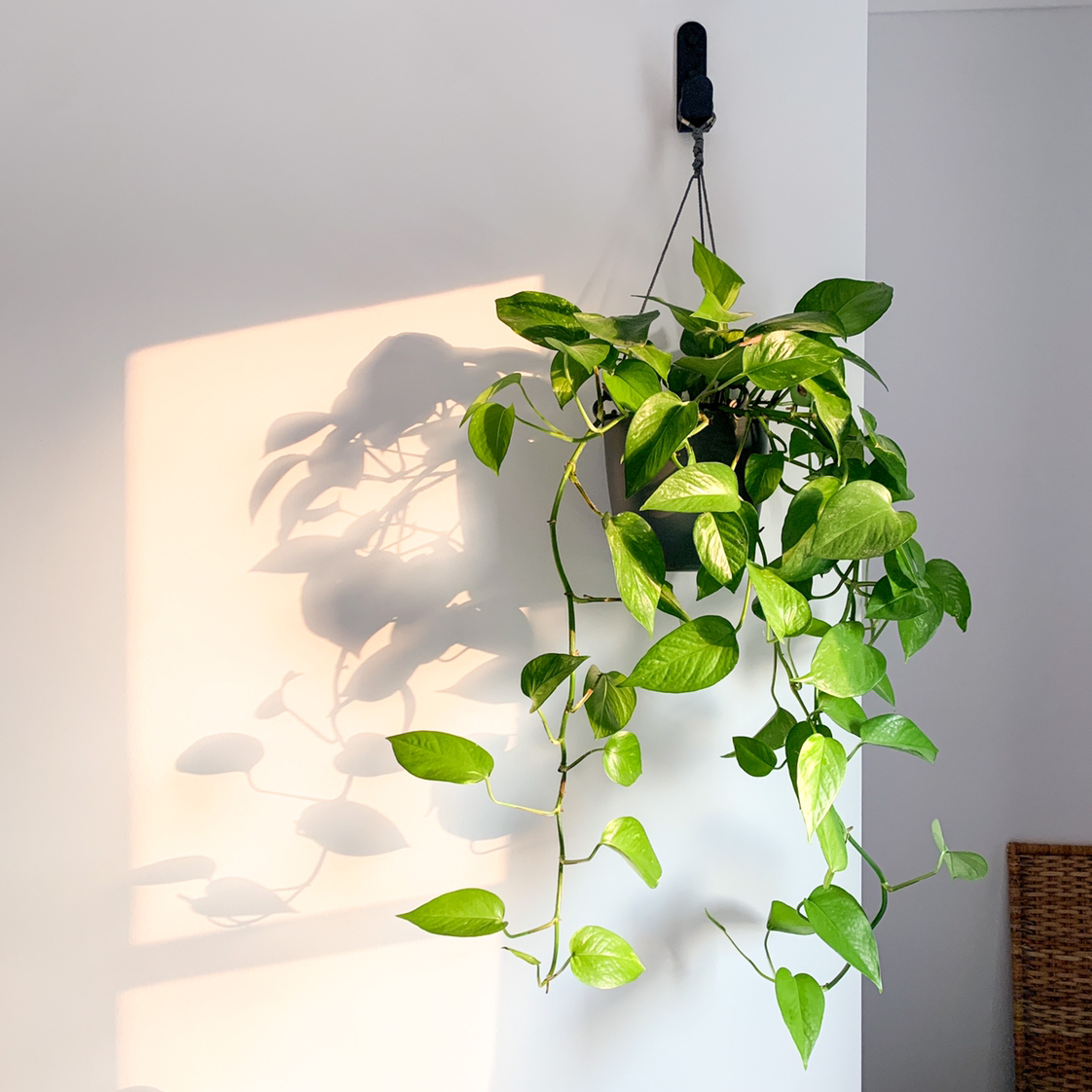
Best Soil for Golden Pothos
What Kind of Soil Does a Golden Pothos Need?
In the wild, Golden Pothos grow as climbing vines in tropical forests, often rooting into loose, organic debris on the forest floor or clinging to tree bark. Their roots expect good air circulation and moderate moisture, not dense, continuously wet soil. A mix that replicates that airy, chunky environment keeps them growing vigorously.
Straight potting soil holds too much water for Pothos and can stay soggy for days after watering, which sets the stage for root rot. Their semi-epiphytic roots need oxygen as much as they need moisture, so the mix needs to have visible gaps and a chunky texture rather than a dense, uniform structure.
Perlite is the most important amendment you can add, opening up the mix and allowing water to pass through more freely. Orchid bark adds further structure and mimics the bark debris that Pothos roots cling to naturally in forest environments. This chunky texture also means the mix dries out more evenly from the top down, which is exactly the pattern Pothos prefer.
Golden Pothos are remarkably forgiving plants, but the most common mistake is using heavy soil. Even a 30% perlite amendment to a standard potting mix makes a meaningful difference in how long the soil stays wet and how healthy the roots remain long-term.
What Soil Mix Should I Use for My Golden Pothos?

What pH Does My Golden Pothos Need?
Golden Pothos prefer a slightly acidic soil pH between 6.0 and 6.5. This range keeps nutrients accessible and supports the beneficial microbial activity in the root zone. Test your soil with an inexpensive pH meter or test strips before potting, especially if you are mixing your own blend.
Outside this range, Pothos start showing signs of nutrient deficiency even when fertilized regularly. Soil that is too alkaline causes yellowing between the leaf veins. Soil that is too acidic can cause overall pale, washed-out foliage and slow growth. Both conditions are easy to correct with a simple pH adjustment before the symptoms worsen.
When Should I Replace My Golden Pothos's Soil?
Pothos are fast growers, so their soil benefits from refreshing every 12 to 18 months. The bark and organic components of the mix break down over time, compacting the texture and reducing drainage. A mix that drains well at planting can turn nearly as dense as pure potting soil after a year or two of watering.
Repot in spring at the start of the growing season. This is also a good opportunity to move up one pot size if roots are circling or escaping from drainage holes. Shake off as much of the old mix as you can and start fresh rather than just adding new soil on top of degraded material.
How Do I Prepare Garden Soil for Golden Pothos?
If you're planting Golden Pothos outdoors in a warm climate, it grows fast and sends roots into any loose, organic ground it can find. In tropical settings it spreads as a ground cover or climbs trees, drawing nutrients from decomposing leaves and bark around its roots.
For clay soil, mix in compost, bark chips, and perlite to create a loose, airy texture that the roots can weave through easily. Sandy soil benefits from compost and leaf mold to add richness and help hold moisture. Golden Pothos is not fussy, but it grows fastest in soil that stays lightly moist and drains well. A spot under trees or along a shaded fence line, where conditions mimic a forest floor, is ideal.
Got More Questions?
About This Article
