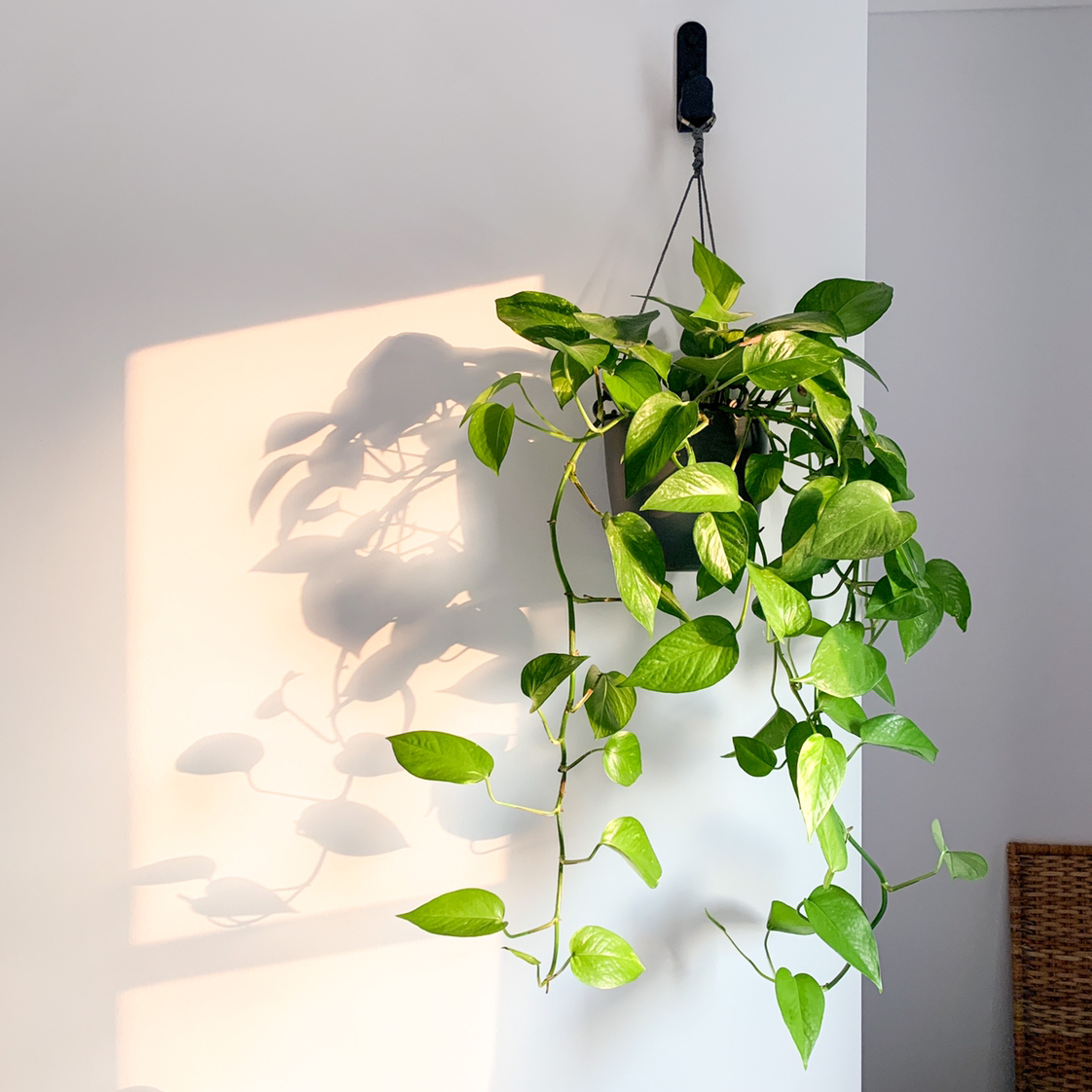
Lizard Queen Pothos Fertilizer: How and When to Use It
Epipremnum aureum
By the Greg Editorial Team
Jun 15, 2024•3 min read
This article was created with the help of AI so we can cover more plants for you. May contain errors. See one? Report it here.
Nurture a lush Lizard Queen Pothos ๐ฟ with savvy fertilizer useโyour green thumb's secret weapon!
- ๐ฟ Liquid vs. granular fertilizers: Choose based on your gardening style.
- Fertilize every 4-6 weeks during growing season; less in winter.
- Spot over-fertilization early: Look for stunted growth and burned leaves.
Picking the Right Fertilizer for Your Lizard Queen Pothos
๐ง Liquid Gold: Using Liquid Fertilizers
Liquid fertilizers are the espresso shots for your Lizard Queen Pothos, providing a quick nutrient boost. Mix them with water, usually at half the recommended strength to avoid overwhelming your plant. Apply this diluted concoction directly to the soil during watering. Consistency is your best friend here; aim for a bi-weekly schedule during the growing season.
โณ Time-Released Nutrition: Granular and Slow-Release Options
Granular and slow-release fertilizers are the crockpots of plant nutrition, slowly doling out sustenance. They're low-maintenance, making them ideal for the forgetful gardener. To apply, sprinkle the granules on top of the soil or mix them in during potting. They work their magic over months, so a single application can last an entire growing season. Just remember, granular fertilizers are more suited for outdoor use, so stick to liquids indoors to avoid over-concentration in limited soil volumes.
Timing is Everything: When to Fertilize
๐ฑ Growing Season Guidelines
Spring and summer are the Lizard Queen Pothos' prime time, its personal growth spurt season. During these warmer months, it's all about that nutrient life. Fertilize once every 4-6 weeks to keep your plant thriving without overindulging it.
Off-Season Care
Winter is the chill-out zone for your Pothos. It's not looking for a feast, so ease up on the fertilizer. Think of it as the plant's dormancy period; it's taking a breather, not gearing up for a marathon.
Fertilizing Like a Pro: Best Practices
๐ง The Right Amount
To measure the right amount of fertilizer for your Lizard Queen Pothos, start conservative. A half-strength balanced liquid fertilizer once a month is your baseline. Overdoing it can lead to nutrient burn, so watch your plant's response and adjust accordingly.
๐ฑ Application Techniques
Root burn is a real risk with improper fertilizer application. To avoid this, fertigateโmix your fertilizer with water. Apply it to the soil, not the leaves, to prevent chemical sunburn. Ensure even distribution and follow up with thorough watering to help the nutrients penetrate the soil.
๐ฟ Spotting Success
Effective fertilization will show in your Pothos' vibrancy and growth. Look for new leaves and a healthy green color. If your plant is flourishing without signs of distress, you're hitting the sweet spot with your fertilization regimen.
Troubleshooting: Over-Fertilization and Recovery
๐จ Recognizing the Red Flags
Stunted growth and a halt in progress are your plant's way of saying, "Ease up on the nutrients!" Burned leaves may also appear, looking crispier than a fresh dollar bill. If you spot a white, dusty layer on the soil or pot edges, that's salt buildup shouting "Overload!" And let's not forget wilting or drooping foliage, which is as subtle as a siren when it comes to nutrient distress.
๐ ๏ธ The Recovery Plan
First, stop fertilizingโyour plant needs a breather. Begin the rescue by flushing the soil with water to wash away the excess nutrients. Make sure your plant has proper drainage; waterlogged roots are no one's friend. If the situation looks grim, consider a soil transplant to give your green buddy a fresh start. Remember, when you resume feeding, less is more. Keep a close eye on your plant's response; new growth is the silent thank you you're looking for.
โ ๏ธ Safety First
This content is for general information and may contain errors, omissions, or outdated details. It is not medical, veterinary advice, or an endorsement of therapeutic claims.
Always consult a qualified healthcare professional before using any plant as food, medicine, or supplement.
Never eat any plant (or feed one to pets) without confirming its identity with at least two trusted sources.
If you suspect poisoning, call Poison Control (800) 222-1222, the Pet Poison Helpline (800) 213-6680, or your local emergency service immediately.
Spotted an error? Please report it here.