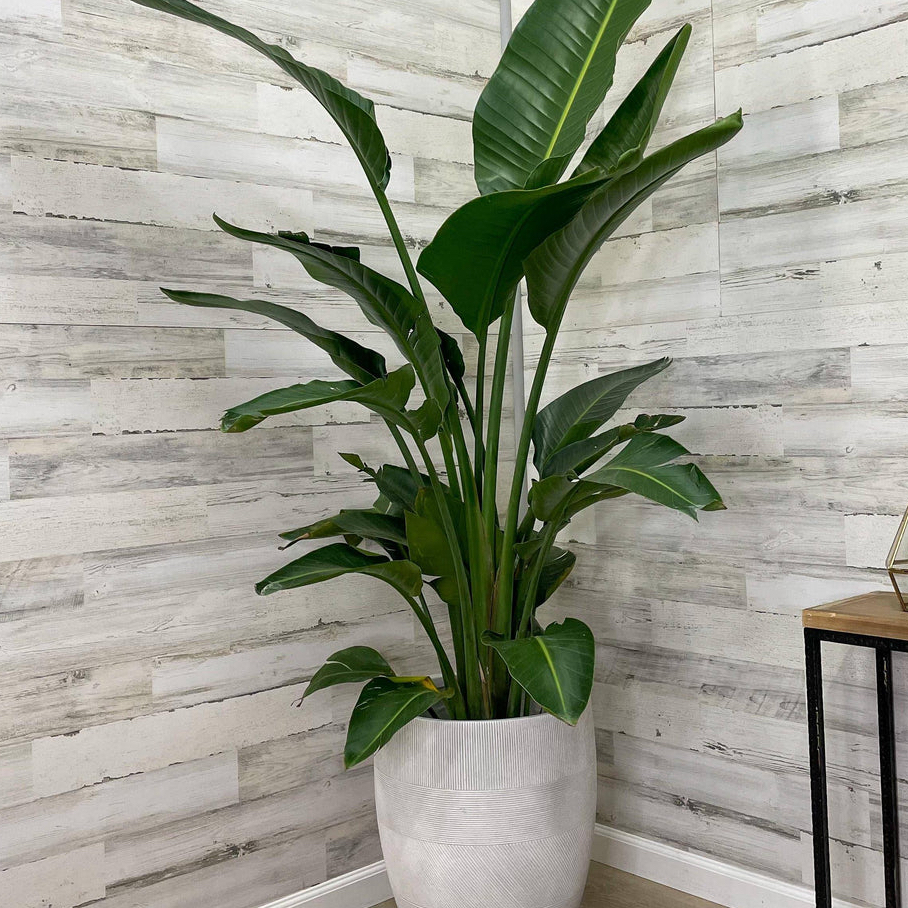
Should I Repot My White Bird Of Paradise And If So, How?

Strelitzia nicolai

By the Greg Editorial Team

Jun 08, 20249 min read

This article was created with the help of AI so we can cover more plants for you. May contain errors. See one? Report it here.

Nurture a thriving paradise 🌿 at home by mastering the art of repotting your White Bird of Paradise.

White bird of paradise
  1. Roots circling or poking out? Time to repot your White Bird of Paradise.
  2. 🌱 Repot in spring during the plant's active growth phase.
  3. Choose a well-draining mix and pot 2-4 inches larger for healthy growth.

Signs That Your White Bird of Paradise Needs Repotting

Roots making a break for it? If you spot roots circling the pot's bottom or poking through drainage holes, it's a clear SOS from your White Bird of Paradise. These escape artists are telling you they're root-bound and craving more space.

Growth on a go-slow? When your plant's growth has hit a plateau, or its health seems to be on the decline, it's likely shouting for a change of scenery. And if water zips through the soil like it's racing to the bottom, leaving the soil dry, that's another red flag.

Yellow leaves? If your plant's leaves are turning yellow and you've ruled out overwatering, it might be a nutrient issue. A fresh pot with new soil can give your plant the nutritional boost it needs.

Roots in a twist? Circling roots are a classic sign that your plant is feeling cramped. It's like wearing shoes two sizes too small – uncomfortable and not a good look.

Watering woes? If you're watering correctly but the leaves still droop or the tips go dry, the pot might not be holding enough moisture. Time to upsize!

Remember, your White Bird of Paradise isn't trying to give you a hard time; it's just craving a little more legroom. Give it that, and it'll thank you with lush, vibrant growth.

Healthy White Bird of Paradise plant with large green leaves in a white ceramic pot on a wood floor.

Choosing the Right Time for Repotting

Timing is everything when it comes to repotting your White Bird of Paradise. You're looking for that sweet spot when the plant is in its growth stage, typically in spring. This is when the plant has the energy and resources to recover from the move and expand into its new space.

🌿 Consider the Plant's Health

Before you even think about repotting, take a good, hard look at your plant's health. A thriving plant will handle the transition much better. If it's looking a bit under the weather, figure out why and fix that first. Never repot a sick plant unless it's to save it from imminent doom, like root rot.

🌸 Seasonal Timing

Spring isn't just a suggestion—it's the ideal time. This is when your White Bird of Paradise is waking up from its winter snooze and is ready to grow. Repotting now means it can immediately take advantage of the fresh soil and extra room. Plus, the longer days and warmer weather work in your favor.

🌱 Growth Stage and Size

Smaller plants might need a new home every year, but as they get bigger, you can stretch this to every couple of years. Keep an eye on those roots; if they're making a break for it out of the drainage holes, it's time. And if the soil looks more like dust from the Sahara, that's your cue.

🌴 Final Thought

Listen, repotting isn't a plant's idea of a vacation. It's stressful. So do it when conditions are optimal—healthy plant, right size pot, and the season of growth. Get this right, and your White Bird of Paradise will thank you with lush, tropical vibes.

Healthy, thriving White Bird of Paradise plant with lush green leaves in a bright indoor space near a window.

How to Repot Your White Bird of Paradise

🌿 Preparing to Repot

Water your plant a day before the big move; it's like a spa day before the workout—it eases the transition. Set up your space with all the necessary tools: new pot, potting mix, and a tarp to catch the mess.

🏡 Choosing the Right Pot

Grab a pot that's 2-4 inches larger than the current home of your White Bird of Paradise. This isn't just a new house; it's an upgrade. Make sure it has drainage holes to avoid waterlogged roots—no one likes wet feet.

🕺 The Repotting Shuffle

Gently coax your plant out of its pot. If it plays hard to get, tap the pot or run a knife around the edge. Inspect the roots; if they look like they've been partying too hard (circling or tangled), give them a trim.

🎭 Setting the Stage

In the new pot, lay down a few inches of potting mix—think of it as a welcome mat for the roots. Place your plant in and fill the gaps with more soil. It's like tucking it into bed, but with dirt.

🥂 The Aftermath

Once settled, give it a good watering. This isn't a "goodbye" drink; it's a "welcome to your new crib" toast. Then, let it be. It's had a big day, after all.

Remember, repotting is like a plant's version of moving day—it can be stressful, but it's the start of a new growth chapter.

Large, healthy White Bird of Paradise plant with broad green leaves prominently veined. Thriving indoor specimen with slight yellow tint to foliage.

Soil Selection and Preparation

Selecting the right potting mix is like choosing a comfortable home for your White Bird of Paradise—it's essential. For a thriving plant, you'll want a well-draining, nutrient-rich potting mix. Think of it as the plant's bed, where it'll spend a significant amount of time, so comfort is key.

🌱 The Perfect Mix

Your goal is to mimic the plant's natural habitat. A mix of coco coir or sphagnum peat moss, compost, and perlite or pumice will provide the aeration, drainage, and moisture retention needed. These ingredients ensure the roots can breathe and access water without the risk of waterlogging.

📊 pH Balance

Slightly acidic soil is the sweet spot for your White Bird of Paradise. A pH that's too high or too low is like a bad mattress—uncomfortable and potentially harmful. Aim for a pH that keeps the plant's growth robust and its leaves vibrant.

🚰 Drainage Is Key

Ensure your pot has adequate drainage holes. It's not just about the soil; the pot itself plays a crucial role in preventing a soggy situation. Think of it as the difference between a house with proper plumbing versus one that's a flood risk.

🍽️ Nutrient-Rich

Your plant's diet is as important as yours. A nutrient-rich potting mix will support its growth and health. It's like eating a balanced meal versus junk food—the right nutrients make all the difference.

🌿 Organic Matter

Adding organic matter such as compost can enrich the soil, giving your plant a boost. It's the equivalent of a vitamin supplement for your plant, providing extra nutrition to help it thrive.

Remember, the soil is the foundation of your plant's life. A little effort in selecting and preparing the right soil mix can lead to a lush, towering White Bird of Paradise that's a testament to your green thumb.

Repotting Process

🌱 Preparing the Plant

Gently squeeze the sides of the current pot to loosen the plant. If it's stubborn, tip it sideways and coax it out with care. Avoid yanking—roots are not bungee cords.

🏺 Preparing the New Pot

Choose a pot one or two sizes larger. Ensure it has drainage holes to prevent a soggy disaster. Place a screen at the bottom to keep the soil from escaping during watering.

🕺 The Repotting Dance

Lay down newspaper—things are about to get dirty. Fill the new pot's bottom with a well-draining soil mix, leaving room for the plant's root ball. Center the White Bird of Paradise in the new pot, then fill in around it with more soil. Aim for a few inches below the rim to avoid an overflow during watering.

🛡️ Securing the Plant

Press the soil gently around the base. This isn't a CPR session; you're just eliminating air pockets and making sure the plant won't do the limbo.

💧 The First Water

Water the plant until you see drainage. This is not a 'set it and forget it'—check if the soil settles and add more if needed. Your plant isn't a fan of quicksand.

🌞 Post-Repotting Care

Light is good, but not too much. Think bright indirect sunlight, like a sunny brunch spot without the wait. Water well but don't drown it—no plant likes water wings.

👀 Observing and Adjusting

Keep an eye out for drama—droopy leaves, a sulkier than usual demeanor. It's normal. Trim any sad foliage and give it time to flaunt its new digs.

Troubleshooting Common Issues After Repotting

🌱 Identifying and Addressing Transplant Shock

After repotting, your White Bird of Paradise may exhibit transplant shock, a common response to the sudden change in environment. Signs include drooping leaves or a general appearance of malaise. Combat this by maintaining consistent watering and keeping the plant in a stable environment, avoiding extreme temperature changes.

🛠 Tips for Recovery

To aid recovery, trim off any yellowing or dead leaves. This allows the plant to focus its energy on re-establishing healthy roots. Be patient; it can take several weeks for your plant to bounce back. Resist the urge to overcompensate with extra water or fertilizer, as this can exacerbate stress.

🚨 Monitoring for Other Stress Signs

Keep a close eye on your plant for other signs of distress, such as leaf discoloration or stunted growth. If these symptoms persist, consider whether the new pot or soil might not be ideal. Ensure the pot has adequate drainage and that the soil is not too compacted, which can suffocate roots.

🛑 Avoiding Further Stress

Remember, the goal post-repotting is to provide a stable recovery period. Avoid relocating the plant frequently or altering its care routine drastically. Consistency is key to helping your White Bird of Paradise settle into its new home.

Aftercare and Maintenance

After the repotting hustle, your White Bird of Paradise deserves some TLC. It's like moving to a new city; the plant needs to get its bearings. Acclimatize it by returning it to its familiar spot. Sure, it's got a new pot to call home, but the old neighborhood—the light, the room's humidity—should stay the same.

🕵️ Monitoring for Stress

Keep a watchful eye for the tell-tale signs of a plant's post-move blues: droopy leaves, a sulkier green, or the dreaded yellowing. It's the plant's way of saying, "Hey, I'm still settling in here!" If you spot these, don't panic. Trim any sad leaves to help it focus on bouncing back.

💧 Watering Adjustments

Watering is now a game of precision. The soil's still fresh, so it'll hold onto water like a sponge. Check the soil's moisture before giving it a drink to avoid waterlogging its roots. Less is more—overwatering is the fast track to a plant's heartbreak.

🌱 Fertilization Fine-Tuning

Hold off on the fertilizer for at least six months. Your plant's not ready for a growth spurt while it's still getting its roots comfy. When it's time, opt for a balanced feed to encourage those lush, tropical vibes.

🌿 Long-Term Care

As days pass, keep the watering consistent, but don't drown the poor thing. When the growing season hits, you can up the ante a bit. And remember, a happy plant is one that's not fussed over too much. Let it do its thing, and you'll both be happier for it.

⚠️ Safety First

This content is for general information and may contain errors, omissions, or outdated details. It is not medical, veterinary advice, or an endorsement of therapeutic claims.

Always consult a qualified healthcare professional before using any plant as food, medicine, or supplement.

Never eat any plant (or feed one to pets) without confirming its identity with at least two trusted sources.

If you suspect poisoning, call Poison Control (800) 222-1222, the Pet Poison Helpline (800) 213-6680, or your local emergency service immediately.

Spotted an error? Please report it here.

Repot your White Bird of Paradise with confidence and let Greg nurture 🌿 its growth with custom care reminders tailored to its new pot and environment.


You Might Also Want to Know...

How often should I repot my bird of paradise plant?

Birds of paradise plants should be repotted once every two years.

Is drainage important for potted plants?

Yes, drainage is important for potted plants to prevent overwatering and root rot.

What are the signs that my bird of paradise plant is root-bound?

Signs that your plant is root-bound include needing more frequent watering, no soil between the planter wall and the root system, or roots poking out of the drainage hole.

How do I choose the right size pot for my bird of paradise plant?

Select a pot that is three to five inches wider and deeper than the original container to provide enough space for the plant's roots and prevent excess moisture retention.

How do I know how much water to use when watering my bird of paradise plant?

To determine the amount of water needed, fill up the pot with water and then divide that amount in half. Slowly pour half of the divided amount around the plant, wait a few minutes, and if no water comes out of the bottom of the pot, continue pouring the rest of the water.

What are the most common signs that my bird of paradise plant is not happy?

Curling leaves indicate dehydration, dry edges and heavy splitting suggest low humidity, weak stems and lack of vibrance indicate low light, and leaves having a hard time opening up can be a result of being root-bound or lacking nutrients.

How often should I clean and trim my bird of paradise plant?

Clean your bird of paradise plant once every two or three weeks by wiping the leaves with a moist paper towel to remove dust. Trim edges, tips, and remove bad leaves as needed to keep the plant looking fresh and beautiful.

What is the ideal temperature for bird of paradise plants?

The ideal temperature for bird of paradise plants is between 65 and 80 degrees Fahrenheit. Avoid placing the plant next to a radiator or heat/air conditioning unit.

Do bird of paradise plants need a lot of light?

Bird of paradise plants need bright light, but they can handle indirect sunlight. Placing them close to a natural light source with bright enough light will make them happy.

When is the best time to feed my bird of paradise plant?

The best time to feed your bird of paradise plant is during the spring and summer months when it is actively growing.