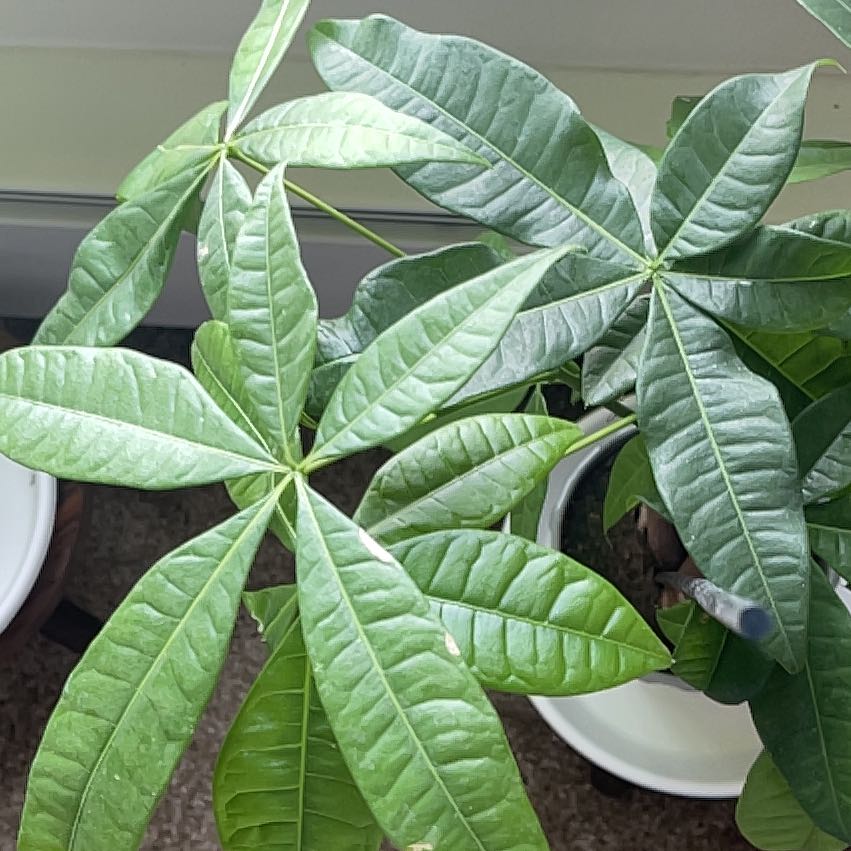
Ultimate Guide to Repotting Money Tree Plant π°
Pachira aquatica
By the Greg Editorial Team
Oct 09, 2024•7 min read
This article was created with the help of AI so we can cover more plants for you. May contain errors. See one? Report it here.
- π± Signs of root bound include roots out of drainage holes or stunted growth.
- πΌ Best time to repot is spring, aligning with your Money Tree's growth phase.
- πͺ΄ Choose a pot 1-2 inches larger for optimal growth and avoid metal pots.
Signs that Your Money Tree Needs Repotting
π± Root Bound Indicators
Recognizing when your Money Tree needs repotting is crucial for its health. Here are some clear signs:
Roots Growing Out of Drainage Holes: If you see roots peeking out, itβs a strong indicator that your plant is root-bound.
Roots Circling Inside the Pot: Roots that wrap around the inside of the pot signal that theyβre cramped and need more space.
Stunted Growth Despite Proper Care: If your plant isnβt growing as expected, even with good care, it might be time for a new pot.
Soil Drying Out Too Quickly: If the soil seems to dry out almost immediately after watering, it may be a sign that the roots are taking up all the space.
π Other Signs
In addition to root-bound indicators, watch for these other signs:
Yellowing Leaves or Leaf Drop: These symptoms can indicate stress, often due to inadequate space for root growth.
Pot Feels Too Light When Lifted: A pot that feels unusually light may mean the plant has outgrown its container.
Visible Algae or Mold on the Soil Surface: This can suggest poor drainage or overwatering, both of which can be exacerbated by a cramped pot.
Recognizing these signs early can help you maintain a thriving Money Tree. Next, letβs explore the ideal timing for repotting your plant to ensure it continues to flourish.
Ideal Timing for Repotting Money Tree
Best Time of Year π±
Spring is the golden season for repotting your Money Tree. As the plant awakens from its winter slumber, it enters an active growth phase, making it the perfect time to give it a fresh start.
Seasonal Considerations βοΈ
Avoid repotting during winter dormancy. The plant is less likely to recover from the stress of repotting during this time, so keep an eye on its growth patterns to find the best moment for a new pot.
By timing your repotting right, youβll set your Money Tree up for success, ensuring it thrives in its new environment. Ready to dive into the next steps? Letβs explore how to repot your Money Tree effectively!
Step-by-Step Guide to Repotting Money Tree
Repotting your Money Tree can seem daunting, but with the right approach, itβs a straightforward process. Letβs break it down step-by-step.
π οΈ Preparation
- Gather Materials: Before you start, collect everything you need: a new pot, quality potting soil, gloves, and your gardening tools.
- Choose the Right Pot: Select a pot that is 1-2 inches larger in diameter than the current one. This extra space allows your plant to grow without feeling cramped.
π± Removing the Plant
- Water the Day Before: Give your Money Tree a good drink the day before repotting. This helps loosen the soil and makes removal easier.
- Gently Remove the Plant: Carefully take the plant out of its current pot. Be cautious not to damage the roots during this process.
πΏ Adding New Soil
- Layer Fresh Soil: Start by placing a layer of fresh potting soil at the bottom of the new pot. This provides a healthy base for your plant.
- Position the Money Tree: Center the Money Tree in the pot and fill in around the roots with more soil. Make sure the root ball sits slightly below the rim of the pot to prevent overflow when watering.
π§ Watering After Repotting
- Water Thoroughly: Once repotted, give your Money Tree a good soak until water drains out of the bottom. This helps settle the soil around the roots.
- Monitor Watering: In the weeks following repotting, be cautious not to overwater. Your plant will need time to adjust to its new home.
With these steps, youβll ensure your Money Tree thrives in its new pot. Next, letβs explore the best pot materials to use for optimal growth.
Pot Material Options
Best Materials for Money Tree Pots π±
Choosing the right pot material is crucial for your Money Tree's health.
Ceramic: This option is not only aesthetically pleasing but also retains moisture well, making it a great choice for your plant.
Terracotta: Known for its excellent drainage, terracotta can help prevent overwatering. However, it may dry out quickly, so keep an eye on moisture levels.
Materials to Avoid π«
Not all pots are created equal, and some can harm your plant.
Metal: While it might look sleek, metal pots can heat up quickly, potentially damaging the roots.
Non-breathable plastics: These can trap moisture, leading to root rotβa nightmare for any plant parent.
Comparison of Pot Types βοΈ
Understanding the differences between pot materials can help you make an informed choice.
Ceramic vs. Plastic: Ceramic pots are heavier and offer better drainage, while plastic pots are lighter but may not provide the same airflow.
Terracotta vs. Ceramic: Terracotta is more porous, allowing for better moisture control, but ceramic pots can retain moisture longer, which might suit your watering routine better.
Choosing the right pot material is a key step in ensuring your Money Tree thrives. With the right pot, you set the stage for healthy growth and vibrant leaves. Next, letβs explore the recommended potting soil that will keep your plant happy and healthy.
Recommended Potting Soil for Money Tree
π± Soil Composition
Choosing the right potting soil is crucial for your Money Tree's health. A well-draining potting mix enriched with organic matter is ideal.
- Recommended Ingredients:
- Peat Moss: Retains moisture while allowing excess water to escape.
- Perlite: Enhances drainage and aeration, preventing root rot.
- Bark: Adds structure and promotes airflow within the soil.
π Importance of Soil Quality
Quality soil is your Money Tree's best friend. It prevents root rot and supports healthy growth by ensuring that roots have the space they need to breathe.
Good soil also helps maintain proper aeration and drainage. This balance is essential for keeping your plant thriving and vibrant.
With the right potting mix, your Money Tree will flourish, making your indoor space feel more alive.
As you prepare to repot, remember that the right soil sets the foundation for your plant's success. Next, letβs explore common mistakes to avoid during the repotting process.
Common Repotting Mistakes
Mistakes to Avoid πͺοΈ
Repotting a Money Tree can be a rewarding experience, but it's easy to make mistakes. One common error is choosing a pot that is too large; this can lead to excess soil retaining moisture, which may cause root rot.
Another frequent mistake is overwatering immediately after repotting. While it's essential to water your plant, too much water can overwhelm the roots, especially when they are adjusting to their new environment.
How to Fix Repotting Errors π§
If you find your Money Tree is root bound, consider moving it to a smaller pot. This might seem counterintuitive, but it can help the plant focus its energy on healthy growth rather than sprawling roots.
Adjusting your watering practices is also crucial. Pay attention to how your plant responds after repotting and modify your watering schedule accordingly. This will help ensure your Money Tree thrives in its new home.
By avoiding these common pitfalls, you can set your Money Tree up for success. Next, letβs explore how often you should repot your plant to keep it healthy and vibrant.
How Often Should You Repot a Money Tree?
π± General Guidelines
Repotting your Money Tree is essential for its health. For younger plants, aim to repot every 2-3 years, while mature plants can wait 3-5 years.
β³ Factors Influencing Repotting Frequency
Several factors can affect how often you need to repot.
Growth Rate and Size: A rapidly growing Money Tree will need more frequent repotting compared to a slower-growing one.
Soil Condition: If the soil becomes compacted or loses its drainage ability, itβs time for a change.
Seasonal Growth Patterns: Pay attention to how your plant responds to seasonal changes. Spring is typically the best time for repotting, aligning with its active growth phase.
Understanding these factors will help you keep your Money Tree thriving. Regularly assessing its needs ensures it remains healthy and vibrant.
As you consider repotting, remember that the right timing and conditions can make all the difference in your plant's growth journey. Next, letβs explore the best materials for your Money Tree pots.
β οΈ Safety First
This content is for general information and may contain errors, omissions, or outdated details. It is not medical, veterinary advice, or an endorsement of therapeutic claims.
Always consult a qualified healthcare professional before using any plant as food, medicine, or supplement.
Never eat any plant (or feed one to pets) without confirming its identity with at least two trusted sources.
If you suspect poisoning, call Poison Control (800) 222-1222, the Pet Poison Helpline (800) 213-6680, or your local emergency service immediately.
Spotted an error? Please report it here.