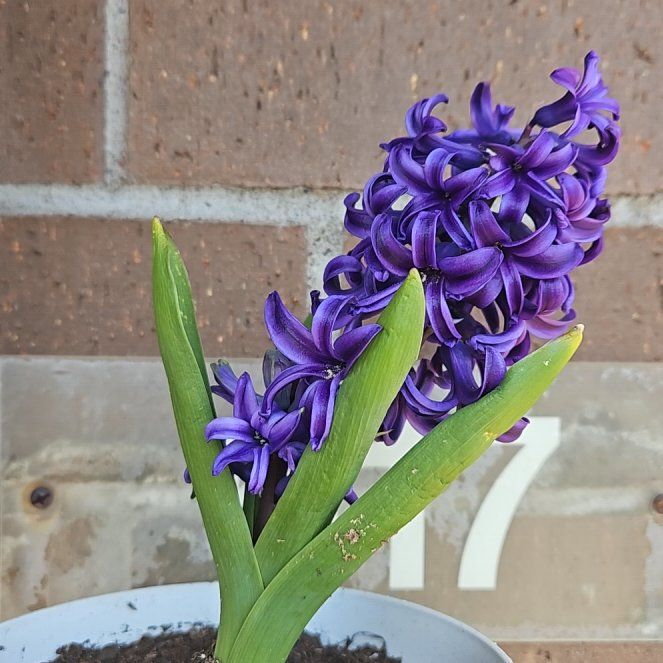
Should I Repot My Garden Hyacinth?
Hyacinthus orientalis
By the Greg Editorial Team
Dec 16, 2023•10 min read
This article was created with the help of AI so we can cover more plants for you. May contain errors. See one? Report it here.
Ensure your hyacinth's vibrant spring display π· by learning the perfect repotting timing and techniques.
- Repot post-bloom in spring to accommodate active growth and avoid dormancy period.
- Choose the right pot and soil for healthy roots and adequate drainage.
- Avoid common mistakes like overcrowding and neglecting post-repotting care.
Signs that Indicate the Need for Repotting
Garden Hyacinths, like any other potted plant, send signals when they're cramped in their current homes. Here's the lowdown on what to watch for:
π± Overcrowded Bulbs
If your Hyacinth's bulbs are jostling for space like commuters on a rush-hour subway, it's a red flag. Overcrowding can lead to a drop in flowering, as the bulbs compete for limited resources.
πΈ Reduced Flowering
Speaking of flowers, if your Hyacinth's blooming enthusiasm has waned, take it as a hint. Reduced flowering often points to a pot that's just too snug for comfort.
πΏ Root-Bound Conditions
Roots peeking out of the drainage holes or circling the soil's surface are the plant equivalent of a white flag. A root-bound Hyacinth is a stressed one, with its roots so tightly packed they can't absorb water or nutrients properly.
π The Ripple Effect
Root-bound conditions don't just cramp your Hyacinth's style; they stunt its growth. Think of it as trying to do yoga in a closetβthere's just not enough room to stretch out.
π§ Thirsty Much?
If you find yourself watering your Hyacinth more often than you check social media, it's probably root-bound. A plant that's constantly thirsty despite regular watering is crying out for a new pot.
π The Visuals
Yellowing leaves, stunted growth, or roots that look more like a bird's nest than part of a plant are all visual cues. If your Hyacinth looks like it's been through a rough patch, it might just be suffocating in its current pot.
Remember, a cramped Hyacinth is like a genie in a bottleβit needs more space to work its magic. Keep an eye out for these signs, and you'll know when it's time to grant your plant its wish for a new home.
Optimal Time for Repotting
Repotting your Garden Hyacinth should align with its growth cycle for minimal shock. Spring, post-bloom, is your window of opportunity. Here, the plant is still basking in its growth spurt, making it the ideal time to transition to a new home.
β° Understanding Dormancy
Hyacinths, like many bulbs, have a dormancy period. Typically, this occurs after the leaves yellow and die back. It's during this time the plant is conserving energy for the next growing season. Avoid repotting during dormancy; the bulb is in its rest phase and won't appreciate the disturbance.
β³ Timing is Everything
Spring is your golden ticket. Once the flowers have faded and the foliage is still green, that's your cue. The plant is still active, and the roots are ready to settle into fresh soil with ease. Remember, repotting too late in the season can lead to a stressed hyacinth, potentially impacting next year's bloom.
πΈ Post-Bloom Care
After the flowers have had their moment, and before the leaves retreat, give your hyacinth a new pot. This ensures the plant has enough time to establish roots before it hits the snooze button for the year.
π¦οΈ Seasonal Exceptions
If you've missed the spring repotting season, wait it out. Repotting during the wrong season can do more harm than good. Patience here is not just a virtue; it's a necessity for your hyacinth's health.
π Quick Tips
- Aim for a cool, cloudy day to repot; it reduces transplant stress.
- If your hyacinth is still in bloom but showing signs of distress, hold off. Wait until the last petal drops.
- Don't be tempted by the warm glow of summer or the crisp air of fall. Stick to the post-bloom spring schedule.
How to Repot Garden Hyacinth
π± Selecting the Right-Sized Pot
When your Garden Hyacinth is bursting at the seams, it's time for a new home. Choose a pot that's about 1-2 inches larger in diameter than the current one. This gives the bulbs room to grow without drowning in excess soil, which can lead to rot.
πΊ Preparing the New Pot
Drainage is key. Ensure your new pot has holes at the bottom. Cover these with gauze or plastic netting to keep soil from escaping. Mix in a well-draining, porous potting mixβthink of it as a fluffy bed for your Hyacinth's roots.
π The Repotting Process
Step 1: Remove the Plant
Water the plant to loosen the soil, then gently coax it out. If it plays hard to get, use a knife to edge around the pot. Avoid a tug-of-war with the foliage; it's not a contest.
Step 2: Prune the Roots
Inspect the roots. Trim away any that are dead or rotten. If the roots are coiled, untangle or trim them to encourage outward growth. Remember, you're giving your plant a fresh start, not a haircut.
Step 3: Planting in the New Pot
Add a layer of soil to the pot, then place your Hyacinth in the center. The top of the root ball should sit an inch below the rim. Fill in around the plant with more soil, firming it gently with your fingers.
Step 4: Water and Care
Water thoroughly, allowing excess to drain. If the soil settles, top it up. Your Hyacinth will need some TLC after the move, so keep it in a shaded area until it looks ready to soak up the sun again.
π§ Watering and Post-Repotting Care
Keep the soil moist but not soggy. Overwatering is the fast track to plant heartbreak. Monitor your Hyacinth's moodβdroopy leaves are a cry for help. Adjust care as needed and watch for new growthβit's a sign of happiness.
Impact of Pot Material on Plant Health
When it comes to nurturing your Garden Hyacinth, pot material is more than just an aesthetic choice; it's a health decision. Different materials can influence moisture levels, temperature, and even the breathability of the soil, affecting the plant's wellbeing.
πΊ Terracotta Pots
Terracotta, the classic, porous champion, offers excellent drainage and air flow. This can reduce the risk of root rot and overwatering, key for the hyacinth's sensitive bulbs. However, it can dry out quickly, so keep an eye on watering frequency.
π₯€ Plastic Pots
Plastic pots are lightweight and retain moisture longer, which can be a double-edged sword. While they're great for hydration, be vigilant about overwatering. They're also not the most eco-friendly option, if that's on your radar.
πΆ Ceramic Pots
Ceramic pots, often glazed and beautiful, can be less porous than terracotta, potentially leading to water retention issues. Ensure they have adequate drainage holes to combat this. They can also be heavy, so think about portability.
Remember, the right pot encourages a healthy root system, which is the foundation of a thriving Garden Hyacinth. Choose wisely, and your plant will thank you with vibrant blooms.
Pot Material Options
Selecting the right pot for your Garden Hyacinth isn't just about aesthetics; it's about the health and growth of your plant. Let's dive into the pros and cons of terracotta, plastic, and ceramic pots.
πΊ Terracotta Pots
Terracotta's porous nature makes it a champion of breathability, allowing soil to dry out more quickly. This is perfect if you're heavy-handed with watering. But remember, small terracotta pots dry out at the speed of light, so keep an eye on moisture levels. Thick walls provide insulation from intense sun, which is great unless you're packing pots like sardines in a greenhouse.
π₯€ Plastic Pots
Plastic pots are the immortal warriors of the pot worldβdurable and less prone to breakage. They retain moisture like a sponge, which can be a boon or bane depending on your watering habits. If you're forgetful with the watering can, plastic might be your ally. But beware, they can hold onto moisture for too long, potentially leading to soggy soil syndrome.
πΆ Ceramic Pots
Ceramic pots are the fashionistas of the plant world, often glazed and gorgeous. They're less porous than terracotta, striking a balance between moisture retention and drainage. However, they can be heavy and may crack in cold temperatures. If you opt for ceramic, ensure proper drainage to avoid waterlogged roots throwing a party for fungi.
Remember, your Garden Hyacinth doesn't care about pot pedigreeβit's all about the fit. Choose based on your plant's needs and your watering habits, and you'll be golden.
Post-Repotting Care
After repotting your Garden Hyacinth, it's crucial to nurture it back to health. Here's how to keep it thriving.
π¦ Immediate Aftercare
Water generously right after repotting to settle the soil around the roots. Then, ease up. Hyacinths dislike wet feet, so let the soil dry slightly between waterings.
π Sunlight and Placement
Initially, shield your plant from direct sunlight. Once it's settled, usually after a week, introduce it to its usual sunny or partly shaded spot.
π‘οΈ Temperature and Humidity
Hyacinths aren't fans of the sauna. Keep them in a cool, well-ventilated area. If you've got a humidity-loving jungle of plants, your hyacinth should stand clear.
π± Fertilizing
Hold off on the fertilizer. Your hyacinth needs time to acclimate. After a month, consider a gentle feed with a bulb-specific fertilizer.
π Monitoring Growth
Keep an eye out for droopy leaves or lackluster growth. It could be a sign your hyacinth is in distress. Adjust care as necessary.
Common Issues
Beware of overwatering and root rot. If leaves yellow, cut back on H2O. And remember, hyacinths are like fine wineβthey need time to mature post-repotting.
Common Mistakes to Avoid
π± Overcrowding: A Space Issue
Overcrowding your hyacinth's pot is like stuffing ten people in a five-seater; nobody's happy. Ensure each bulb has its own space to prevent a tangled mess below the soil.
πΏ Ignoring the Roots: The Hidden Truth
Root health is non-negotiable. Dark, mushy roots scream for help. When repotting, think of it as a health check-up and give those roots a thorough once-over.
π Soil Faux Pas: The Right Mix
Using the wrong soil is like wearing flip-flops in a snowstorm β it just doesn't work. Research your hyacinth's needs and give it the soil it deserves.
π± Pot Size Progression: Growth's Partner
Upgrading pots isn't just about more room; it's about refreshing your plant's environment. Don't skimp on the soil; your plant's not on a diet.
π± The Green Thumb Myth: Keep Learning
Don't fall for the green thumb myth. Gardening is a game of knowledge and persistence, not inherent skill. Keep learning, and your thumb will get greener.
π Light Conditions: The Illumination Factor
Your hyacinth's light needs can't be an afterthought. If it's craving a sunbath or shade, oblige. Your plant's happiness depends on it.
π± Transplant Shock: The Settling-In Period
Expect some sulking after the move. Transplant shock is real, but with consistent care, your hyacinth will bounce back.
π§ Watering Woes: The Balance Act
Watering is a delicate dance β too much, and you're drowning it; too little, and it's parched. Find the sweet spot and stick to it.
π± Repotting the Sick: Timing is Everything
Don't repot a stressed plant unless it's the cure. Address health issues first, then consider a change of scenery for your hyacinth.
π± Container Material: Choose Wisely
Your pot's material matters. Terracotta breathes, plastic retains moisture, and ceramic is heavy. Match your pot to your plant's personality.
π± Final Touches: The Aftercare
After repotting, don't just walk away. Monitor your hyacinth like a hawk, ready to swoop in with care as needed. Your attention to detail will pay off in lush blooms.
β οΈ Safety First
This content is for general information and may contain errors, omissions, or outdated details. It is not medical, veterinary advice, or an endorsement of therapeutic claims.
Always consult a qualified healthcare professional before using any plant as food, medicine, or supplement.
Never eat any plant (or feed one to pets) without confirming its identity with at least two trusted sources.
If you suspect poisoning, call Poison Control (800) 222-1222, the Pet Poison Helpline (800) 213-6680, or your local emergency service immediately.
Spotted an error? Please report it here.