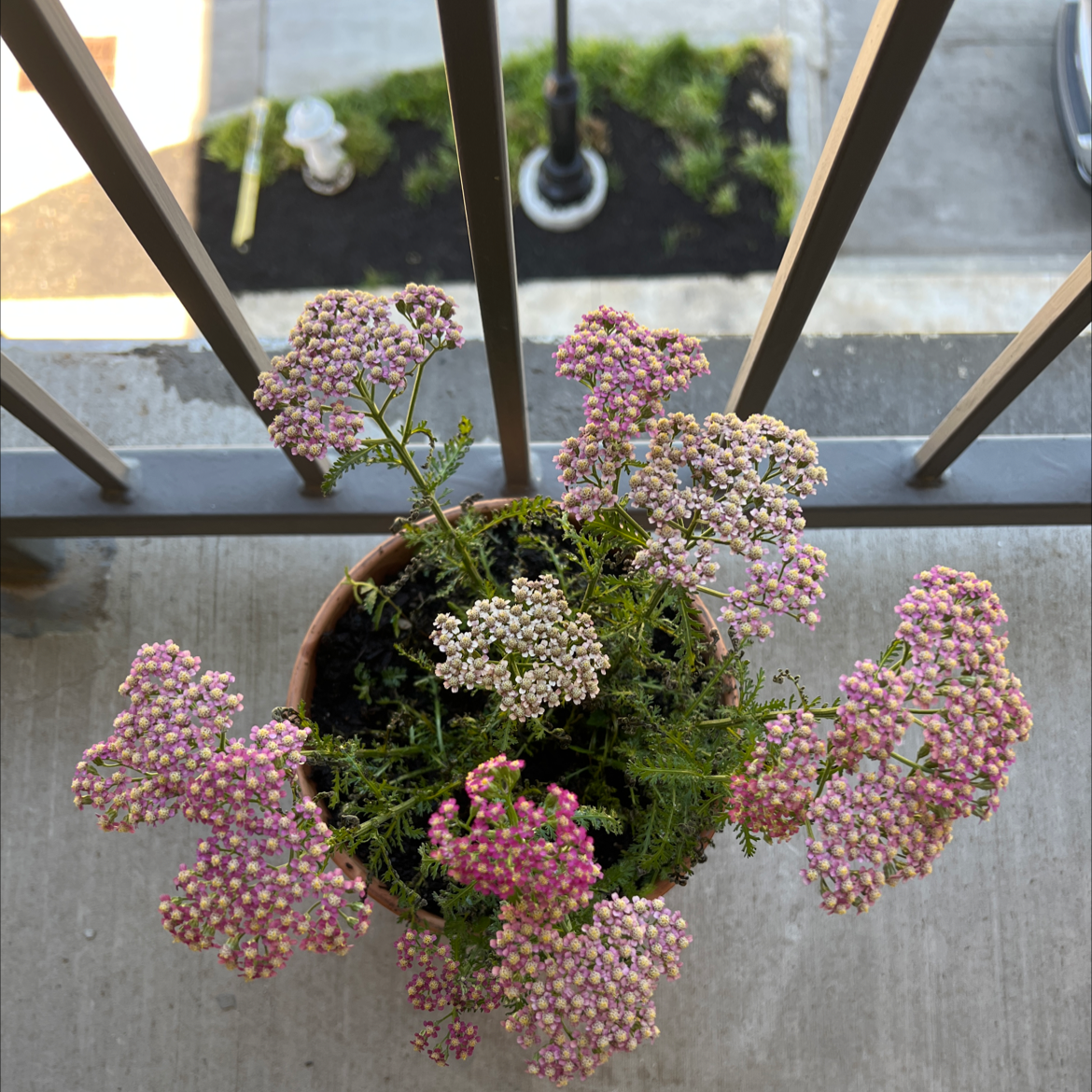
Boreal Yarrow

How to Prune Boreal Yarrow

Achillea millefolium
Reviewed by Kiersten Rankel M.S.
Quick Answer
Deadhead Boreal Yarrow as flowers fade in summer to encourage a second flush of blooms. In late fall or early spring, cut the whole plant back to a few inches above the ground. Yarrow spreads aggressively by rhizomes, so also divide clumps every 2–3 years to keep plants vigorous and in bounds.

When is the best time to prune?

Yarrow's pruning schedule follows its perennial growth cycle, with deadheading in summer and a hard cutback timed to dormancy, which arrives later in cold northern zones.

US pruning regions map
Pacific
Jun–Sep (deadhead); Feb–Mar (cutback)
Mountain
Jul–Aug (deadhead); Apr (cutback)
Midwest
Jun–Aug (deadhead); Mar–Apr (cutback)
Northeast
Jun–Aug (deadhead); Apr (cutback)
Southeast
May–Sep (deadhead); Feb–Mar (cutback)
Stay on top of plant care
Get seasonal reminders for watering and fertilizing — personalized for your plants.
Try Greg Free

Why Should I Prune My Boreal Yarrow?

Boreal Yarrow (Achillea millefolium) is a tough, low-maintenance perennial, but it benefits from two types of pruning: deadheading during the season and a hard cutback once a year.

Deadheading, removing spent flower clusters, redirects the plant's energy toward producing new blooms rather than seeds. Cut the flowering stem back to where it meets the base foliage, or to a visible lateral bud lower on the stem. Plants that are deadheaded regularly often produce a second or even third flush of flowers.

Once plants go dormant in fall, or in early spring before new growth emerges, cut the entire plant back to 2–3 inches above ground. This removes dead and diseased material and gives the plant a clean start for the new season. Leaving old stems through winter provides some habitat value for insects, so the timing is up to you.

Yarrow spreads via underground rhizomes and can take over a bed if left unchecked. Dividing clumps every 2–3 years keeps plants healthy and prevents them from crowding out neighbors.

Know Before You Cut

Difficulty Easy
Max removal Down to 2–3 inches in dormant cutback
Growth pattern Upright spreading perennial
Tools Pruners or garden shears

What Should I Remove?

Deadhead spent flower clusters to a lateral bud or base foliage
Cut the whole plant back to 2–3 inches in fall or early spring
Divide crowded clumps every 2–3 years in spring or fall
Remove dead or flopped stems mid-season as needed
Don't deadhead if you want to collect seeds or leave seedheads for birds
Don't skip the annual cutback or plants become woody and flop
Don't let plants go to seed near areas you want to keep yarrow-free

How Do I Prune Step by Step?

1
Deadhead as flowers fade
Cut spent flower clusters down to the nearest set of leaves or a visible side shoot on the stem. Regular deadheading encourages continued blooming through summer.
2
Shear flopping stems mid-season if needed
If the plant flops open in the center from heavy rain or overgrowth, use garden shears to cut all stems back by about a third. The plant will regrow compactly within a few weeks.
3
Cut the whole plant back in fall or early spring
Once the plant dies back in fall, or in early spring before new growth emerges, cut all stems back to 2–3 inches above ground using pruners or shears.
4
Divide congested clumps
Every 2–3 years, dig up congested clumps in spring or fall. Split them into sections using a sharp spade or two garden forks placed back-to-back, and replant the outer sections. Discard the woody center.

Got More Questions?

Can I cut yarrow back in summer if it gets too tall?
Yes. A mid-season shearing by about a third will encourage the plant to come back more compact and often triggers a fresh round of blooms within 4–6 weeks.
When is the best time for the annual cutback?
Either late fall after the plant dies back, or early spring before new growth emerges. Both work fine. Leaving the stems over winter provides some winter interest and insect habitat.
My yarrow is spreading everywhere. What should I do?
Dig up the outer sections of the clump and either discard them or share them. Installing a root barrier around the planting can also help contain it over time.
Will yarrow come back if I cut it to the ground?
Yes. Yarrow is extremely resilient and will regrow vigorously from the base, especially if cut back during the dormant season or in early spring.
Should I deadhead yarrow or leave the seedheads?
For more blooms, deadhead. For seeds (birds love them) or a naturalistic look, leave a few clusters to ripen. Just be aware that self-seeding can spread the plant into nearby areas.
Stay on top of plant care
Get seasonal reminders for watering and fertilizing — personalized for your plants.
Try Greg Free

About This Article

Kiersten Rankel M.S.
Botanical Data Lead at Greg · Plant Scientist
About the Author
Kiersten Rankel holds an M.S. in Ecology & Evolutionary Biology from Tulane University. A certified Louisiana Master Naturalist, she has over a decade of experience in science communication, with research spanning corals, cypress trees, marsh grasses, and more. At Greg, she curates species data and verifies care recommendations against botanical research.
See Kiersten Rankel's full background on LinkedIn.
Editorial Process
Pruning guidance verified against Achillea millefolium growth data from Greg's botanical database, cross-referenced with USDA hardiness zone data and published horticultural research.
532+ Greg users growing this plant
USDA hardiness zones 3a–9b
Grow plants with confidence