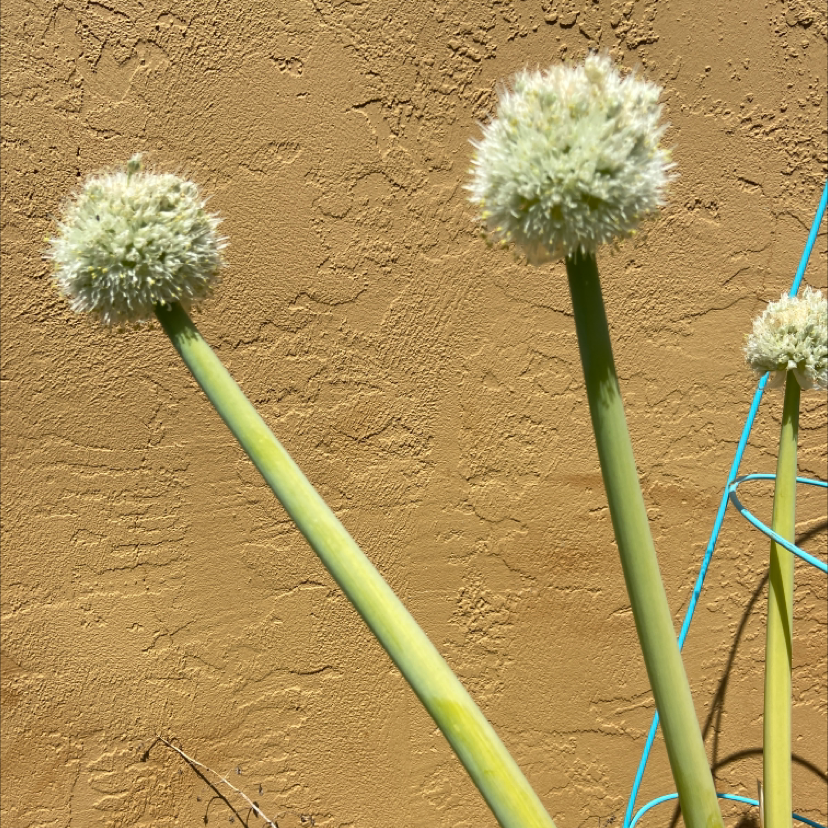
Long Green Onion

How to Prune Long Green Onion

Allium fistulosum
Reviewed by Kiersten Rankel M.S.
Quick Answer
Harvest Long Green Onion throughout the growing season by snipping the green tops down to about 2 inches above the base, leaving enough leaf to continue photosynthesis. Cut flower stalks off at the base as soon as they appear, since once the plant flowers and sets seed, leaf quality drops. This bunching onion is perennial and keeps regrowing from the base for multiple seasons.

When is the best time to prune?

Long Green Onion is harvested throughout its growing season from spring to fall, with the exact timing depending on when temperatures warm enough to push active leaf growth in your region.

US pruning regions map
Pacific
Mar–Oct
Mountain
May–Sep
Midwest
Apr–Oct
Northeast
Apr–Oct
Southeast
Mar–Nov
Stay on top of plant care
Get seasonal reminders for watering and fertilizing — personalized for your plants.
Try Greg Free

Why Should I Prune My Long Green Onion?

Long Green Onion, also called bunching onion or Welsh onion, is a cut-and-come-again plant. Each time you harvest the green tops, the plant pushes out fresh new growth from the base. Without harvesting, the leaves get very tall and fibrous, and the plant eventually bolts, sending up a round flower head.

The most productive approach is a regular leaf harvest throughout spring, summer, and fall. Cut the green tops down to 2-3 inches above the soil, leaving the white base and a stub of green intact. New leaves will emerge from the cut tips and the base within one to two weeks.

Flower stalks are the main thing to remove promptly. Once Long Green Onion begins to bolt and flower, the remaining leaves become tougher and the flavor turns pungent. Snip flower stalks off at the base as soon as you spot them, which redirects the plant's energy back into leaf production.

In cold climates the tops die back in winter and resprout in spring. In mild climates harvesting can continue almost year-round.

Know Before You Cut

Difficulty Easy
Max removal Cut leaves to 2-3 inches above soil; never remove the entire bulb base
Growth pattern Upright bunching herb
Tools Sharp scissors or pruners

What Should I Remove?

Cut green tops down to 2-3 inches above the soil
Remove flower stalks immediately when they appear
Harvest regularly to keep leaves tender
Leave the white base and root intact for regrowth
Don't cut all the way to the soil or below
Don't let flowering stalks develop fully
Don't harvest so heavily that no green leaves remain

How Do I Prune Step by Step?

1
Choose leaves that are 6 inches or taller
Harvest once the green tops have grown to at least 6 inches. Cutting earlier means smaller yields per harvest and slower recovery.
2
Cut down to 2-3 inches above the soil
Using sharp scissors, cut across all the leaves at once, leaving about 2-3 inches of green stub above the white base. This stub is where new leaves will emerge.
3
Remove any flower stalks right away
If you spot a round, taller stalk developing in the center of the clump, this is a flower stalk. Cut it off at the base immediately to prevent bolting.
4
Harvest individual outer leaves between main cuts
Between full harvests, you can pull or snip individual outer leaves from each clump as needed. Take from the outer leaves first and leave the younger inner leaves to keep growing.

Got More Questions?

Can I harvest Long Green Onion all year?
In mild climates (zones 8-11) you can harvest nearly year-round. In colder zones the plant dies back in winter and regrows from the root base in spring. Harvest picks back up once new leaves reach a few inches in late spring.
My Long Green Onion flowered before I caught it. Can I still eat the leaves?
Yes, but the leaves will be tougher and more pungent. Remove the flower stalk and harvest what leaves remain. After harvesting, cut the plant back to 2-3 inches and it will produce a fresh flush of milder-tasting leaves.
How do I know when it is too late in the season to harvest?
Harvest until hard frost kills the leaves in fall. After a killing frost, let the tops die back naturally. The roots will survive in the ground and produce new growth the following spring.
Do I ever need to divide Long Green Onion?
Yes, every two to three years the clumps get very dense, which reduces yield. In early spring before major growth, dig up the clump, pull it apart into individual bulbs or small groups, and replant with a few inches of spacing between each.
Stay on top of plant care
Get seasonal reminders for watering and fertilizing — personalized for your plants.
Try Greg Free

About This Article

Kiersten Rankel M.S.
Botanical Data Lead at Greg · Plant Scientist
About the Author
Kiersten Rankel holds an M.S. in Ecology & Evolutionary Biology from Tulane University. A certified Louisiana Master Naturalist, she has over a decade of experience in science communication, with research spanning corals, cypress trees, marsh grasses, and more. At Greg, she curates species data and verifies care recommendations against botanical research.
See Kiersten Rankel's full background on LinkedIn.
Editorial Process
Pruning guidance verified against Allium fistulosum growth data from Greg's botanical database, cross-referenced with USDA hardiness zone data and published horticultural research.
997+ Greg users growing this plant
USDA hardiness zones 6a–9b
Grow plants with confidence