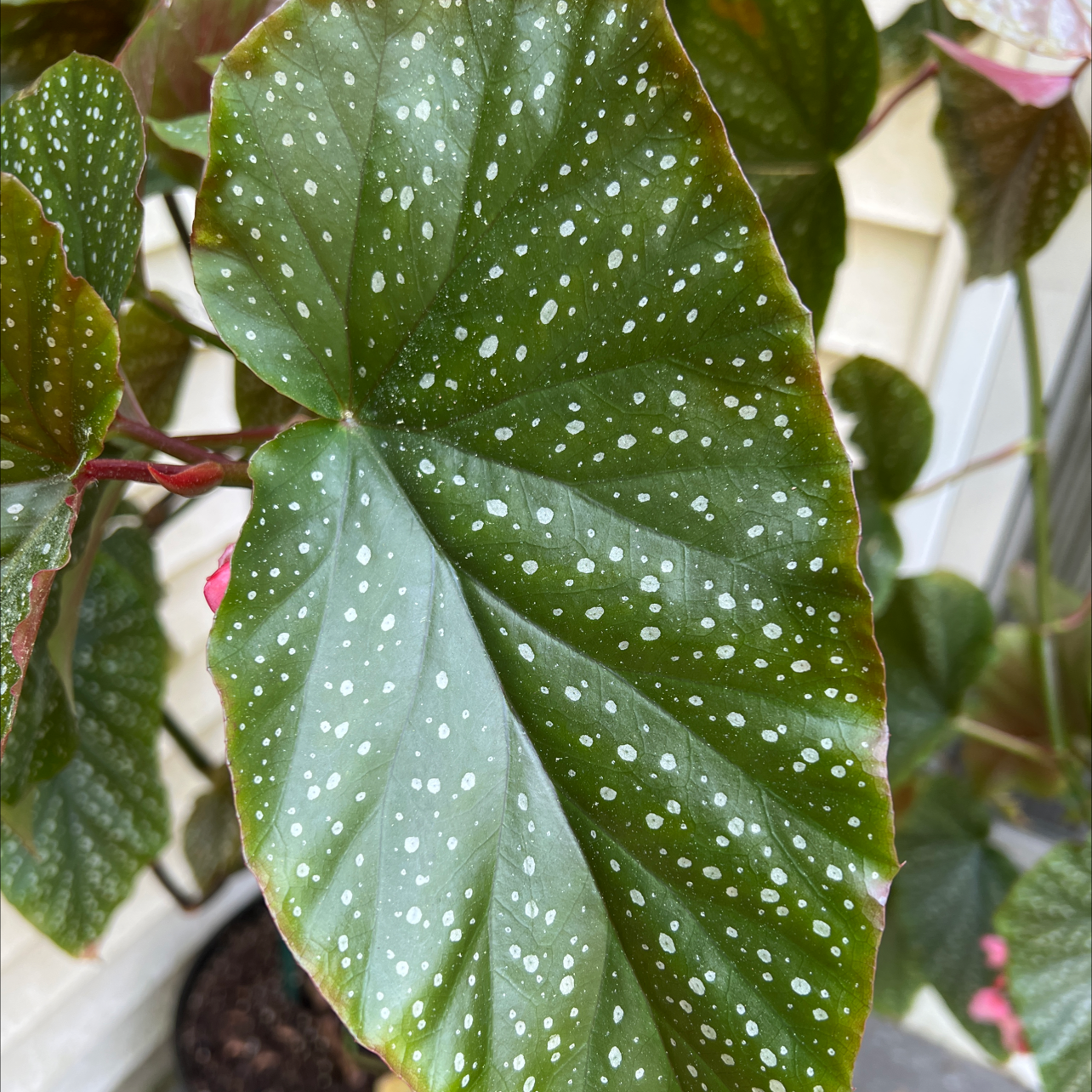
βœ‚οΈ When and Where to Prune Your Spotted Begonia

Begonia maculata

By the Greg Editorial Team

Nov 07, 20245 min read

This article was created with the help of AI so we can cover more plants for you. May contain errors. See one? Report it here.

Transform your spotted begonia into a vibrant beauty with expert pruning and deadheading tips! 🌱

  1. 🌱 Prune in spring for rejuvenation and fall for maintenance before dormancy.
  2. βœ‚οΈ Signs to prune include overgrowth, yellowing leaves, and end of flowering.
  3. πŸ› Check for pests post-pruning to prevent damage and ensure healthy recovery.

Timing for Pruning

Best Seasons for Pruning 🌱

Pruning your spotted begonia at the right time can make all the difference in its health and appearance. Spring is the prime season for rejuvenation, as it encourages new growth and helps the plant flourish after winter dormancy.

Fall is another important time for pruning. This season is perfect for maintenance pruning, allowing you to tidy up the plant before it enters dormancy.

Signs That Indicate When to Prune πŸ”

Knowing when to prune is just as crucial as knowing how. Look for overgrowth, which manifests as excessive leggy growth or crowded foliage.

Another sign is yellowing leaves, which can indicate potential health issues that need addressing. After flowering, consider post-bloom pruning to maintain the plant's aesthetics and promote further growth.

Assessing Plant Health Before Pruning 🩺

Before you grab those shears, assess your plant's health. Start by checking for pests; inspect leaves and stems for any signs of infestation that could hinder recovery.

Next, evaluate leaf condition. Discoloration or wilting can signal stress that may need to be addressed before pruning. Lastly, consider soil moisture; ensure the plant isn’t stressed from over or under-watering, as this can affect its ability to bounce back after pruning.

With these assessments, you’ll be well-prepared to give your spotted begonia the care it deserves. Now, let’s explore the art of deadheading to keep your plant blooming beautifully!

Deadheading

🌼 Explanation of Deadheading and Its Benefits

Deadheading is the process of removing spent flowers from your spotted begonia. This simple act encourages new blooms, prolonging the flowering period and enhancing the plant's overall appearance.

βœ‚οΈ Step-by-Step Instructions for Deadheading

  1. Identify spent flowers: Look for wilted or brown blooms that no longer contribute to the plant's beauty.
  2. Use clean pruning shears: Make a clean cut just above the first set of healthy leaves to prinsecticidal soapwth.neem oilose of removed flowers: Properly discard the spent blooms to prevent any potential disease spread.

⏰ When to Deadhead for Optimal Flowering

For the best results, fungal infectionsonias every 1-2 weeks during the blooming season. Timing is key; aim for early mobegoniar late afternoon to minimize stress on the plant.

By incorporating deadheading into your regular care routine, you can enjoy a vibrant and flourishing spotted begonia. This practice not only keeps your plant looking its best but also encourages a more abundant display of flowers.

Next, let’s explore common issues and solutions related to pruning, ensuring your begonias thrive year-round.

Common Issues and Soludirect sunlighttifying Signs of Overgrowth or Neglect 🌱

Rehumidityg the signs of overgrowth or nehumidity tray spotted begonia is crucial for maintaining its health. Look for leggy growth, where stems stretch towards light sources, indicating the plant is reachfertilizationlight.

Another sign is sparse foliage. If you notice gaps in growth, it’s a clefertilizerion that your plant may need a goodWatering session to encourage fuller development.

Solutions for Common Problems Relatwaterloggedng βœ‚οΈ

To address leggy growth, consider rejuvenation pruning. This involves cutting back those elongated stems to stimulate new growth and restornew growthr appearance.

Implementing a regular mainbegonia schedule for seasonal pruning can prevent overgrowth. Aim to prune at lwateringe a slight exposureyour begonia thriving and looking its best.

Handling Pests or Diseases Post-Pruning πŸ›

After pruning, it’s essential to inspect for pests. Check the leaves and stems for common culprits like aphids, spider mites, or mealybugs that can harm your plant.

If you spot any pests, consider using insecticidal soap or neem oil as treatment options. These solutions are effective and can help protect your plant from further damage.

Finally, keep an eye out for signs of disease. Look for any fungal infections or rot that may develop after pruning, and address them promptly to ensure your begonia remains healthy.

With these tips, you can effectively manage your spotted begonia’s health and appearance. Next, let’s explore the best practices for post-pruning care to help your plant recover and thrive.

Post-Pruning Care

Care Tips After Pruning to Promote Recovery 🌱

After pruning your spotted begonia, it's crucial to give it some TLC. Start by placing the plant in a shaded area for a few days to avoid direct sunlight, which can stress it further.

Maintaining humidity is also key. Consider using a humidity tray or misting the leaves to create a supportive environment for recovery.

Fertilization and Watering Considerations Post-Pruning πŸ’§

When it comes to fertilization, patience is essential. Wait about 2-4 weeks after pruning before applying any fertilizer to allow the plant to stabilize.

Watering should be consistent but careful. Ensure the soil remains moist without becoming waterlogged, as this can lead to root rot.

Monitoring Plant Health After Pruning πŸ‘€

Regular checks on your plant's health are vital. Keep an eye out for new growth and overall vigor to gauge how well your begonia is recovering.

Be ready to adjust your care routine as needed. Modify watering and light exposure based on how your plant responds, ensuring it thrives in its post-pruning phase.

With these care tips, your spotted begonia will bounce back beautifully, setting the stage for vibrant growth ahead.

⚠️ Safety First

This content is for general information and may contain errors, omissions, or outdated details. It is not medical, veterinary advice, or an endorsement of therapeutic claims.

Always consult a qualified healthcare professional before using any plant as food, medicine, or supplement.

Never eat any plant (or feed one to pets) without confirming its identity with at least two trusted sources.

If you suspect poisoning, call Poison Control (800) 222-1222, the Pet Poison Helpline (800) 213-6680, or your local emergency service immediately.

Spotted an error? Please report it here.

Transform your spotted begonia into a blooming beauty 🌺 by using Greg's tailored pruning reminders and care tips to ensure it thrives through every season!