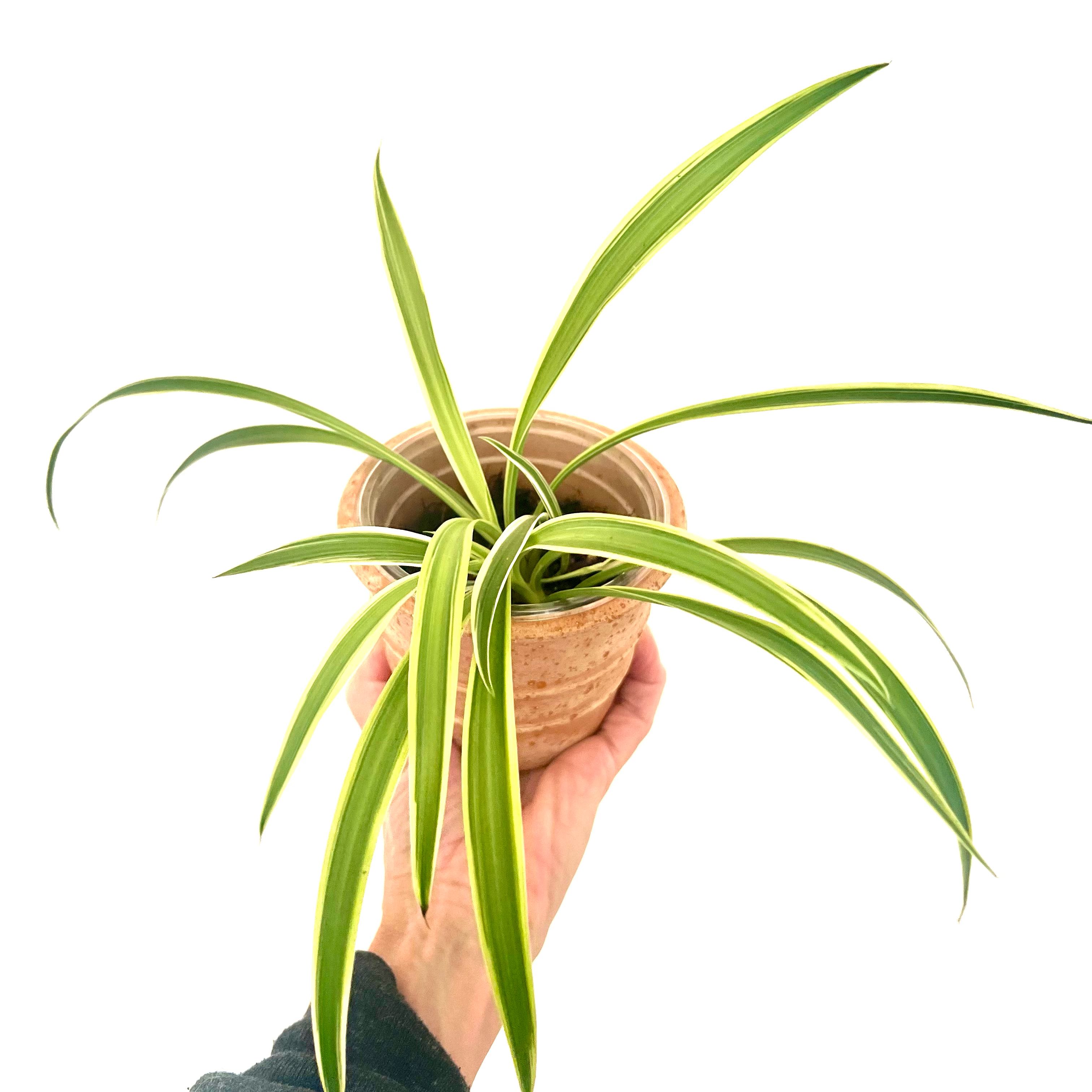
Spider Plant

How to Prune Spider Plant

Chlorophytum comosum
Reviewed by Kiersten Rankel M.S.
Quick Answer
Prune your spider plant any time during the growing season (spring through fall). Trim brown leaf tips, remove spent flower stalks, and detach plantlets (babies) that are weighing down the mother plant. Spider plants are very forgiving, so don't worry about making a mistake.

When is the best time to prune?

Spider plants grow actively from spring through fall and slow down in winter, so pruning during the warmer months lets the plant quickly replace removed foliage.

US pruning regions map
Pacific
Mar–Oct
Mountain
May–Sep
Midwest
Apr–Sep
Northeast
Apr–Sep
Southeast
Mar–Oct
Stay on top of plant care
Get seasonal reminders for watering and fertilizing — personalized for your plants.
Try Greg Free

Why Should I Prune My Spider Plant?

Spider plants are prolific growers that eventually produce a cascade of babies on long runners. While this looks charming, all those plantlets pull energy from the mother plant. If yours is looking thin or yellowed, pruning off some babies can help it bounce back.

Brown leaf tips are the most common reason people reach for the scissors. They're usually caused by fluoride in tap water or low humidity, not a sign of serious problems. Trim the brown ends at an angle so the cut blends with the leaf's natural taper. You don't need to remove the whole leaf.

Flower stalks that have finished blooming and dropped their babies can be cut at the base. They won't produce anything new. Removing them keeps the plant looking neat and redirects energy toward new leaf growth.

If the whole plant has gotten overgrown, you can cut all the foliage back to a few inches above the soil. It's drastic, but spider plants recover quickly and will fill back in within a couple of months during the growing season.

Know Before You Cut

Difficulty Easy
Max removal Can cut back to 2 inches above soil
Growth pattern Clumping with trailing runners
Tools Sharp scissors or pruners

What Should I Remove?

Trim brown leaf tips at an angle
Remove spent flower stalks at the base
Detach babies to reduce energy drain
Cut out fully yellow or dead leaves
Don't pull leaves off by hand (they tear)
Don't remove all the babies if you want runners

How Do I Prune Step by Step?

1
Trim brown leaf tips
Cut each browned tip at an angle about 1/4 inch into the green tissue. The angled cut mimics the leaf's natural shape and looks more natural than a blunt cut.
2
Remove dead or fully yellow leaves
Cut these at the base where they meet the crown of the plant. Pull gently first. If the leaf is truly dead, it may come free without cutting.
3
Cut spent flower stalks
Trace the runner or flower stalk back to where it grows from the center of the plant and cut it off. If it still has green babies attached, you can detach them first.
4
Detach babies if desired
Snip babies from the runner when they have their own small root nubs (visible at the base). Pot them in moist soil or root them in water first.
5
Tidy the overall shape
If the plant is lopsided, trim the longer side to match. Spider plants are very forgiving and will fill back in evenly with good light.

Got More Questions?

Should I remove all the spider plant babies?
Only if the mother plant looks stressed or thin. If it's healthy, you can leave some babies on. They add to the cascading look and will eventually grow roots in mid-air.
Why do my spider plant leaf tips keep turning brown?
Usually it's fluoride or chlorine in tap water. Try using filtered or rain water. Low humidity and inconsistent watering also contribute.
Can I cut my spider plant all the way back?
Yes. Cut all foliage to about 2 inches above the soil. It looks dramatic, but the plant will regrow within 4–6 weeks in spring or summer.
When should I separate spider plant babies?
Wait until the babies have small root nubs at their base, usually when they're about 2 inches across. They root faster when they already have starter roots.
My spider plant has no babies. Will pruning help?
Pruning won't trigger baby production. Spider plants make runners when they're slightly rootbound and getting enough light. A tight pot and bright indirect light usually do the trick.
Stay on top of plant care
Get seasonal reminders for watering and fertilizing — personalized for your plants.
Try Greg Free

About This Article

Kiersten Rankel M.S.
Botanical Data Lead at Greg · Plant Scientist
About the Author
Kiersten Rankel holds an M.S. in Ecology & Evolutionary Biology from Tulane University. A certified Louisiana Master Naturalist, she has over a decade of experience in science communication, with research spanning corals, cypress trees, marsh grasses, and more. At Greg, she curates species data and verifies care recommendations against botanical research.
See Kiersten Rankel's full background on LinkedIn.
Editorial Process
Pruning guidance verified against Chlorophytum comosum growth data from Greg's botanical database, cross-referenced with USDA hardiness zone data and published horticultural research.
73,112+ Greg users growing this plant
USDA hardiness zones 9a–11b
Grow plants with confidence