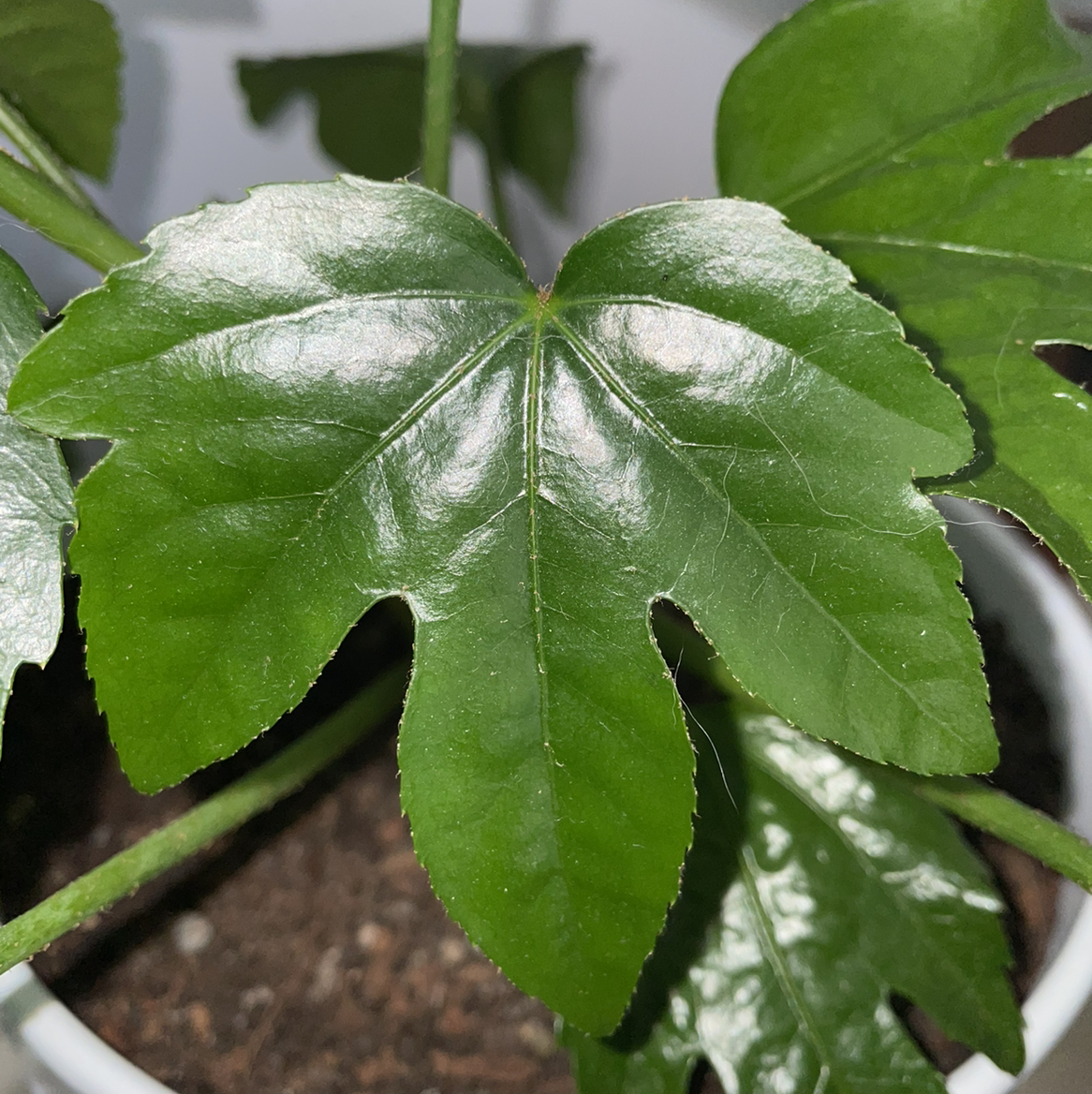
Fatsia Plant

How to Prune Fatsia Plant

Fatsia japonica
Reviewed by Kiersten Rankel M.S.
Quick Answer
Prune your fatsia in early spring before the new growth flush. Cut leggy or bare stems back to a leaf node or to 6 inches above the soil to encourage branching. Remove any damaged or yellowing leaves. Fatsia responds well to pruning and fills back in quickly during the growing season.

When is the best time to prune?

Fatsia grows actively from spring through fall and rests in winter, so early spring pruning allows the plant to push new growth immediately from the cut points.

US pruning regions map
Pacific
Feb–Apr
Mountain
Apr–May
Midwest
Mar–May
Northeast
Apr–May
Southeast
Feb–Apr
Stay on top of plant care
Get seasonal reminders for watering and fertilizing — personalized for your plants.
Try Greg Free

Why Should I Prune My Fatsia Plant?

Fatsia naturally grows as a multi-stemmed shrub with bold, hand-shaped leaves. Over time, stems can get tall and leggy, especially in lower light conditions, with big gaps between leaves. Pruning corrects this and brings the foliage back down to a fuller, more compact shape.

Cut leggy stems back to just above a leaf node where you want new growth to emerge. Fatsia will usually push out 2–3 new branches below the cut, so you end up with a bushier plant. You can also cut stems all the way back to 6 inches above the soil if the plant has gotten really overgrown.

Spring is the best time because the plant is gearing up for its strongest growth period. You'll see new leaves emerging within a few weeks. Avoid pruning in late fall or winter when growth is slow and the plant may struggle to recover.

If your fatsia has produced flower stalks (clusters of white balls in fall), you can remove those at any time. They're not particularly ornamental and removing them redirects energy to leaf production.

Know Before You Cut

Difficulty Easy
Max removal 1/3 of total growth
Growth pattern Multi-stemmed shrub
Tools Pruners or loppers for thick stems

What Should I Remove?

Cut leggy stems back to a leaf node
Remove yellowing or damaged leaves at the base
Cut spent flower stalks at any time
Thin crowded stems for better air circulation
Don't prune in late fall or winter
Don't remove more than 1/3 of stems at once
Don't leave long bare stubs

How Do I Prune Step by Step?

1
Identify leggy or bare stems
Look for stems with long stretches of bare stalk between leaves, or stems that have grown much taller than the rest of the plant.
2
Cut back to a leaf node
Find a leaf node (where a leaf attaches or has previously attached) at your desired height and cut just above it. New branches will sprout from that node.
3
Remove damaged foliage
Cut yellowing or tattered leaves at their base where the leaf stalk meets the stem. Don't pull them off, as tearing can damage the bark.
4
Cut flower stalks if present
Snip off spent or unwanted flower clusters at the base of the stalk. This redirects energy to foliage.
5
Clean up and water
Remove debris from around the base and give the plant a good watering. New growth should appear within 2–4 weeks in spring.

Got More Questions?

Can I cut my fatsia all the way to the ground?
You can cut it back hard to 6 inches above soil, but not every stem at once. Leave at least 1–2 stems with foliage to keep photosynthesizing while new growth emerges.
Why is my fatsia getting so leggy?
Usually not enough light. Fatsia tolerates shade but stretches toward the light in very dim conditions. After pruning, move it to a brighter spot to keep the new growth compact.
Should I remove fatsia flowers?
It's optional. The flowers are mildly interesting but not showy. Removing them sends more energy to leaf growth, which is what most people grow fatsia for.
My fatsia's leaves are drooping after pruning. Is it okay?
Some temporary drooping is normal, especially if you removed a lot of foliage. Keep the soil consistently moist and the plant should perk up within a week.
Can I propagate fatsia from the pruned stems?
Yes. Stem cuttings with a few leaves root well in moist potting mix or water. Take cuttings in spring or early summer for best results.
Stay on top of plant care
Get seasonal reminders for watering and fertilizing — personalized for your plants.
Try Greg Free

About This Article

Kiersten Rankel M.S.
Botanical Data Lead at Greg · Plant Scientist
About the Author
Kiersten Rankel holds an M.S. in Ecology & Evolutionary Biology from Tulane University. A certified Louisiana Master Naturalist, she has over a decade of experience in science communication, with research spanning corals, cypress trees, marsh grasses, and more. At Greg, she curates species data and verifies care recommendations against botanical research.
See Kiersten Rankel's full background on LinkedIn.
Editorial Process
Pruning guidance verified against Fatsia japonica growth data from Greg's botanical database, cross-referenced with USDA hardiness zone data and published horticultural research.
1,959+ Greg users growing this plant
USDA hardiness zones 8a–10b
Grow plants with confidence