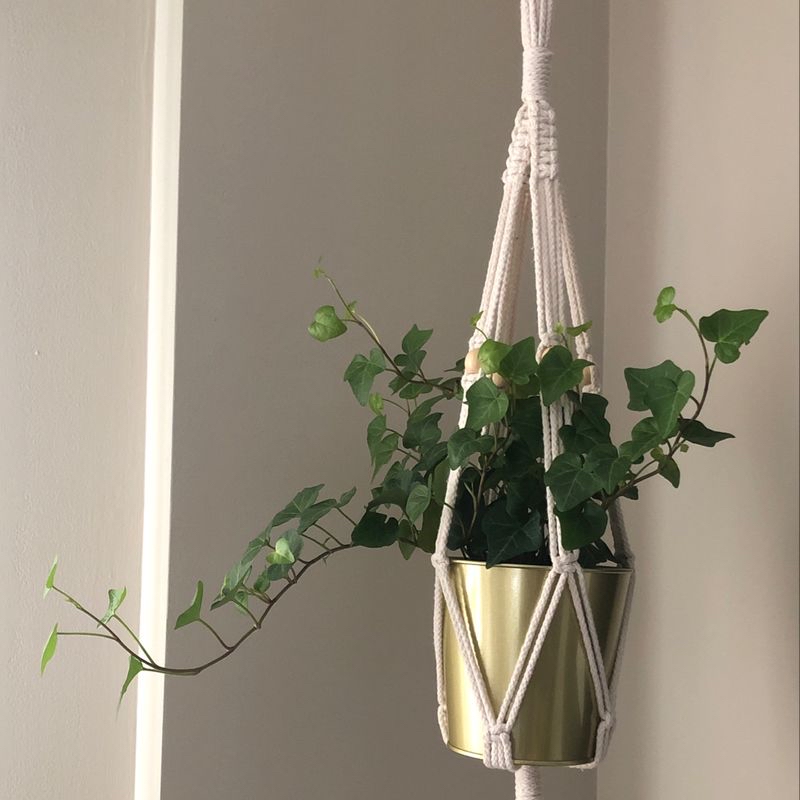
English Ivy

How to Prune English Ivy

Hedera helix
Reviewed by Kiersten Rankel M.S.
Quick Answer
Prune English Ivy in early spring (February through April depending on your region) before new growth flushes out. Cut back any stems that have strayed out of bounds, and shear or hand-trim dense patches to promote fresh, bushy growth. Always wear gloves — English Ivy causes skin irritation in many people and is toxic if ingested.

When is the best time to prune?

English Ivy is evergreen and grows year-round in mild climates, so pruning timing varies by region but is generally best done just before the main spring growth flush.

US pruning regions map
Pacific
Feb–Mar
Mountain
Apr–May
Midwest
Mar–Apr
Northeast
Mar–Apr
Southeast
Feb–Mar
Stay on top of plant care
Get seasonal reminders for watering and fertilizing — personalized for your plants.
Try Greg Free

Why Should I Prune My English Ivy?

English Ivy is a vigorous climber and ground cover that can take over if left unchecked. Regular pruning keeps it within its intended space, prevents it from scaling walls or trees where it can cause damage, and encourages the dense, leafy growth most gardeners want.

The ideal time to prune is in early spring, just before new leaves emerge. At this point, the plant's energy is about to surge into new growth, so cuts heal quickly. You can also do a light trim in late summer if needed, but avoid heavy pruning in fall — new growth stimulated by a hard cut won't harden off before winter.

For ground cover ivy, use hedge shears or a string trimmer to cut the whole patch back by about one-third. This keeps it from building up a thick woody mat that shades out lower leaves. For climbing ivy on walls, cut back any stems reaching windows, eaves, or rooflines before they work roots into the structure.

Always wear gloves and long sleeves. English Ivy sap causes contact dermatitis in a significant portion of people, and the berries and leaves are toxic to pets and children.

Know Before You Cut

Difficulty Easy
Max removal 1/3 of total length per session
Growth pattern Climbing vine and ground cover
Tools Pruners, shears, or loppers

What Should I Remove?

Cut back stems that have grown out of bounds
Shear ground cover patches to encourage fresh growth
Remove ivy climbing into gutters, eaves, or tree canopies
Wear gloves — sap causes skin irritation
Don't do heavy pruning in fall — new growth won't harden
Don't let ivy attach to painted or mortar surfaces without monitoring
Don't compost cuttings — rooting nodes can resprout in the pile

How Do I Prune Step by Step?

1
Gear up before you start
Put on gloves and long sleeves before handling English Ivy. The sap can cause itching, redness, or blistering even in people who haven't reacted before.
2
Identify where you want the ivy to stop
Walk the planting and mark any areas where the ivy has crept beyond its intended boundary — along fences, up trees, into beds. These are your first priority cuts.
3
Cut back out-of-bounds stems
Trace overgrown stems back to where they emerge from the main planting, then cut with pruners or loppers at a point just inside the boundary you want. Make cuts at a slight angle just above a leaf node.
4
Shear or hand-trim the main body
For ground cover areas, use hedge shears to cut the whole patch back by about one-third, aiming for an even height of 4-6 inches. This removes the older, woodier top growth and stimulates fresh leafy shoots from below.
5
Clear cut debris promptly
Rake or collect all cuttings right away. Ivy nodes can root in the soil if left on the ground, and the sap on cut stems stays irritating until dry.

Frequently Asked Questions

Can I hard-prune English Ivy if it has gotten completely out of control?
Yes, English Ivy tolerates aggressive pruning well and will regrow from old wood. Cut it back to 2-3 inches from the ground in early spring. It will look bare for a few weeks, then push out dense new growth. This is sometimes called rejuvenation pruning and is the best approach for severely overgrown plants.
Is it okay to prune English Ivy in summer?
Light trimming is fine in summer. Avoid heavy cutting in late summer or fall — the new growth it produces may not have time to harden before cold weather arrives, leading to winter dieback.
How do I remove English Ivy from a tree trunk?
Cut through all the ivy stems at the base of the tree, about 6 inches above the ground. Leave the attached vines on the trunk — pulling them off can strip bark. The stems will dry out and loosen on their own over a few months.
Why is my English Ivy getting thin and stringy?
Thin, long, widely spaced leaves usually mean the plant isn't getting enough light, or the vines have gotten too long and leggy. Cut the stringy stems back by half to two-thirds to a point with fuller foliage, and move the plant to brighter light if possible.
Stay on top of plant care
Get seasonal reminders for watering and fertilizing — personalized for your plants.
Try Greg Free

About This Article

Kiersten Rankel M.S.
Botanical Data Lead at Greg · Plant Scientist
About the Author
Kiersten Rankel holds an M.S. in Ecology & Evolutionary Biology from Tulane University. A certified Louisiana Master Naturalist, she has over a decade of experience in science communication, with research spanning corals, cypress trees, marsh grasses, and more. At Greg, she curates species data and verifies care recommendations against botanical research.
See Kiersten Rankel's full background on LinkedIn.
Editorial Process
Pruning guidance verified against Hedera helix growth data from Greg's botanical database, cross-referenced with USDA hardiness zone data and published horticultural research.
32,859+ Greg users growing this plant
USDA hardiness zones 4a–9b
Grow plants with confidence