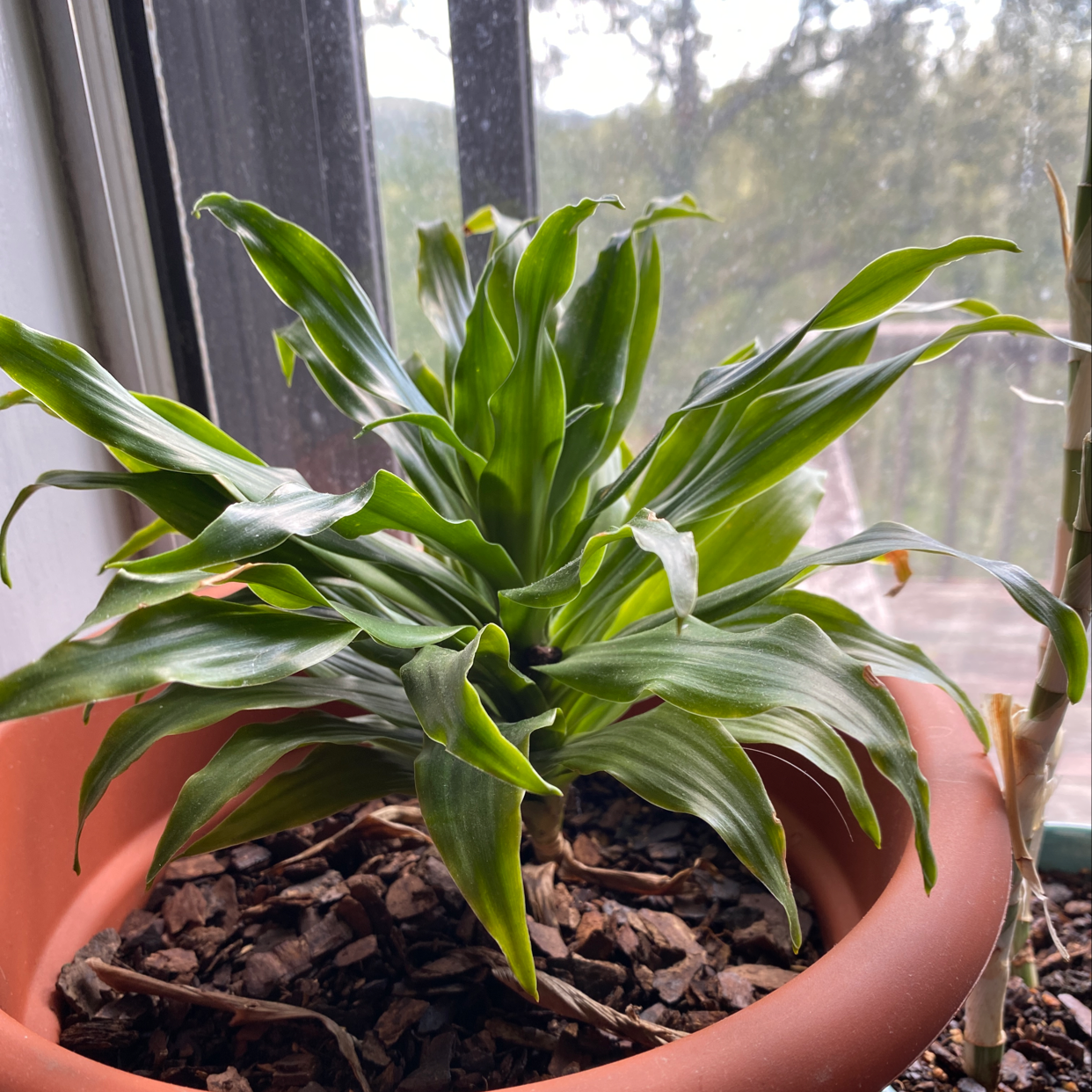
Cornstalk Dracaena

How to Prune Cornstalk Dracaena

Dracaena fragrans
Reviewed by Kiersten Rankel M.S.
Quick Answer
Prune your Cornstalk Dracaena in spring or early summer, typically April through June. Cut the cane to your desired height using a clean, sharp saw or pruners, and new growth will sprout just below the cut. Never remove more than half the plant's height in a single session.

When is the best time to prune?

Cornstalk Dracaena is a tropical perennial hardy in zones 10–12, so timing is flexible for indoor plants but best done in the active growing season.

US pruning regions map
Pacific
Mar–May
Mountain
May–Jun
Midwest
Apr–Jun
Northeast
Apr–Jun
Southeast
Mar–May
Stay on top of plant care
Get seasonal reminders for watering and fertilizing — personalized for your plants.
Try Greg Free

Why Should I Prune My Cornstalk Dracaena?

Cornstalk Dracaenas are slow growers, but given time they can push right up to the ceiling. Pruning lets you control height and keep the plant proportional to your space. The good news is that Dracaena canes respond predictably: cut the cane, and one to three new growth points will sprout just below the cut within a few weeks.

The best time to prune is in spring or early summer when the plant is actively growing. This gives the cut cane plenty of energy to push out those new shoots. Avoid pruning in winter when growth slows down indoors.

Use a sharp, clean pruner or small saw to make a horizontal cut across the cane at the height you want. The cut surface will dry and callous over naturally. You can dust it with cinnamon, which has mild antifungal properties, but it's not required.

The piece you cut off can often be rooted in water or moist potting mix to make a new plant. Keep at least two or three leaf sets on the cutting for the best success.

Know Before You Cut

Difficulty Easy
Max removal 1/2 of cane height per session
Growth pattern Upright cane
Tools Sharp pruners or small hand saw

What Should I Remove?

Cut cane to desired height in spring or early summer
Remove brown or yellowing lower leaves by pulling downward
Trim brown leaf tips with scissors at an angle
Let the cut cane callous over before heavy watering
Don't prune more than half the cane height at once
Don't prune in winter when growth is slow
Don't tear leaves off -- pull downward or cut cleanly

How Do I Prune Step by Step?

1
Choose your target height
Decide where you want the plant to be. New growth will sprout just below wherever you cut, so cut a few inches above your ideal final height to account for the new shoots.
2
Make a clean horizontal cut
Use a sharp pruner or small hand saw to cut straight across the cane at your chosen point. A clean cut reduces the chance of rot or disease entering through a ragged wound.
3
Remove dead or yellowing lower leaves
Pull any brown or yellow leaves downward and off the cane. If they resist, cut them close to the cane with scissors rather than ripping them.
4
Trim brown leaf tips if needed
Use scissors to trim brown tips following the natural pointed shape of the leaf. Cut at a slight angle so the trim looks natural rather than blunt.
5
Wait for new growth to emerge
Within two to four weeks, new buds should appear just below the cut. Keep the plant in bright indirect light and water normally to encourage regrowth.

Frequently Asked Questions

How long does it take for new growth after cutting the cane?
Usually two to four weeks in the growing season. If you prune in low light or winter, expect it to take longer. Good light speeds up the process.
My Cornstalk Dracaena has multiple canes at different heights. Should I cut them all at once?
You can, but staggering the cuts by a few weeks is gentler on the plant. Cut the tallest cane first and wait to see how it responds before cutting the others.
Can I cut the cane all the way down to the soil?
It's not recommended. Cutting too close to the soil removes most of the plant's stored energy and risks rotting the base. Leave at least 6 to 12 inches of cane above the soil.
Why are the leaf tips on my Dracaena always brown?
Brown tips are usually caused by fluoride in tap water or low humidity, not a pruning issue. Trim the tips with scissors and switch to filtered or rainwater if possible.
Stay on top of plant care
Get seasonal reminders for watering and fertilizing — personalized for your plants.
Try Greg Free

About This Article

Kiersten Rankel M.S.
Botanical Data Lead at Greg · Plant Scientist
About the Author
Kiersten Rankel holds an M.S. in Ecology & Evolutionary Biology from Tulane University. A certified Louisiana Master Naturalist, she has over a decade of experience in science communication, with research spanning corals, cypress trees, marsh grasses, and more. At Greg, she curates species data and verifies care recommendations against botanical research.
See Kiersten Rankel's full background on LinkedIn.
Editorial Process
Pruning guidance verified against Dracaena fragrans growth data from Greg's botanical database, cross-referenced with USDA hardiness zone data and published horticultural research.
46,871+ Greg users growing this plant
USDA hardiness zones 10a–12b
Grow plants with confidence