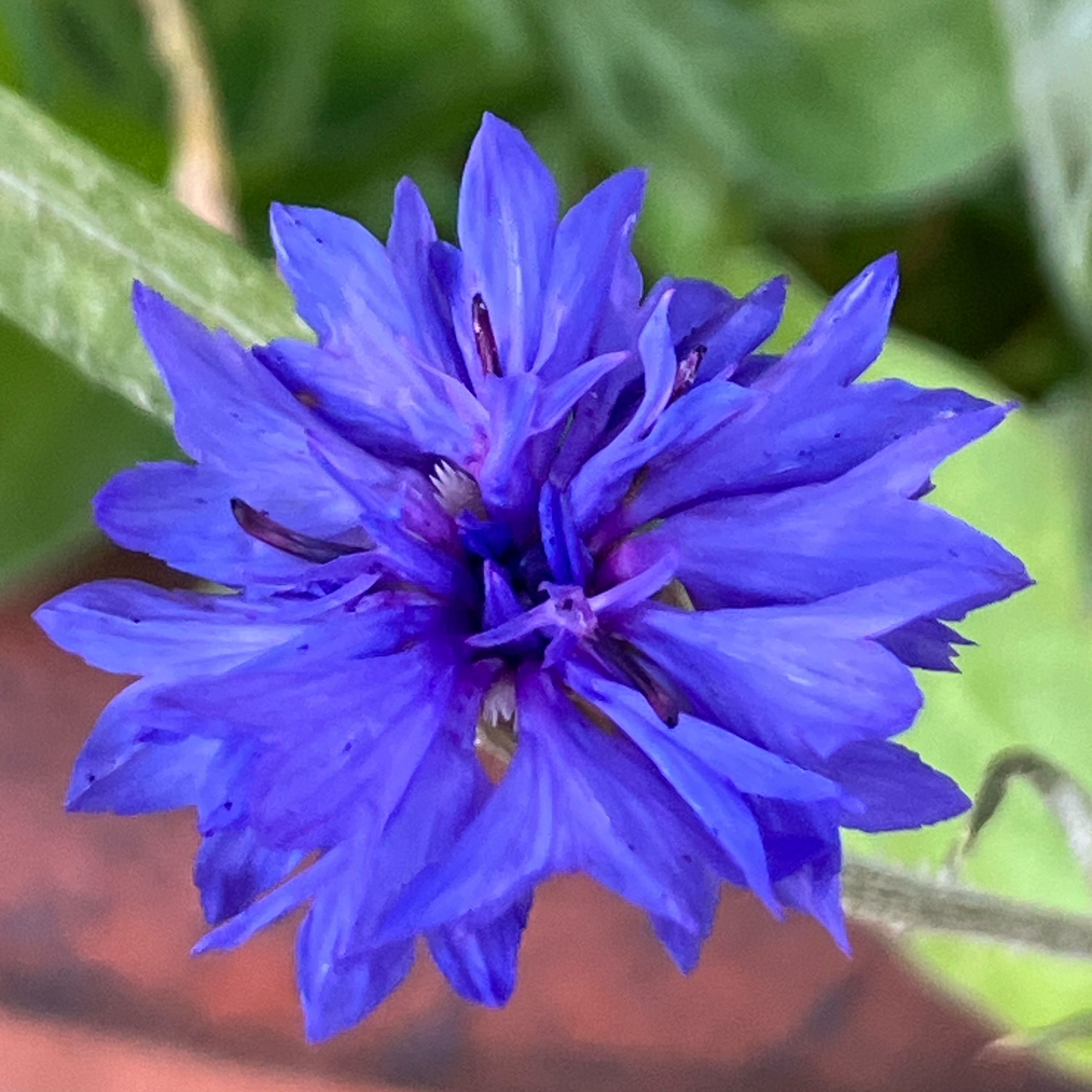
How to Prune Cornflower
When is the best time to prune?
Cornflower is a cool-season annual that blooms in spring and early summer in most regions, so deadheading begins as soon as the first flowers fade.


Why Should I Prune My Cornflower?
Cornflowers are annuals with one goal: bloom, set seed, and die. Deadheading -- removing spent blooms before they go to seed -- tricks the plant into producing more flowers instead of finishing its lifecycle. Regular deadheading can double or triple how long your Cornflowers bloom.
Deadhead by cutting each spent flower back to just above the next bud lower on the stem, or back to a branching point. Don't just snap off the flower head -- cut the whole spent stem section back. This keeps the plant tidy and redirects energy toward new buds.
In late summer, as heat builds and the plants start to look ragged, you can let a few flowers go to seed intentionally. Cornflowers self-seed readily and will often return without any effort on your part. Just leave some spent heads on the plant and let them dry and drop.
Once plants are fully done for the season, cut them to the ground or pull them out. There's no winter structure worth preserving -- Cornflowers are annuals and won't return from the same plant.
Know Before You Cut
What Should I Remove?
How Do I Prune Step by Step?
Got More Questions?
About This Article
