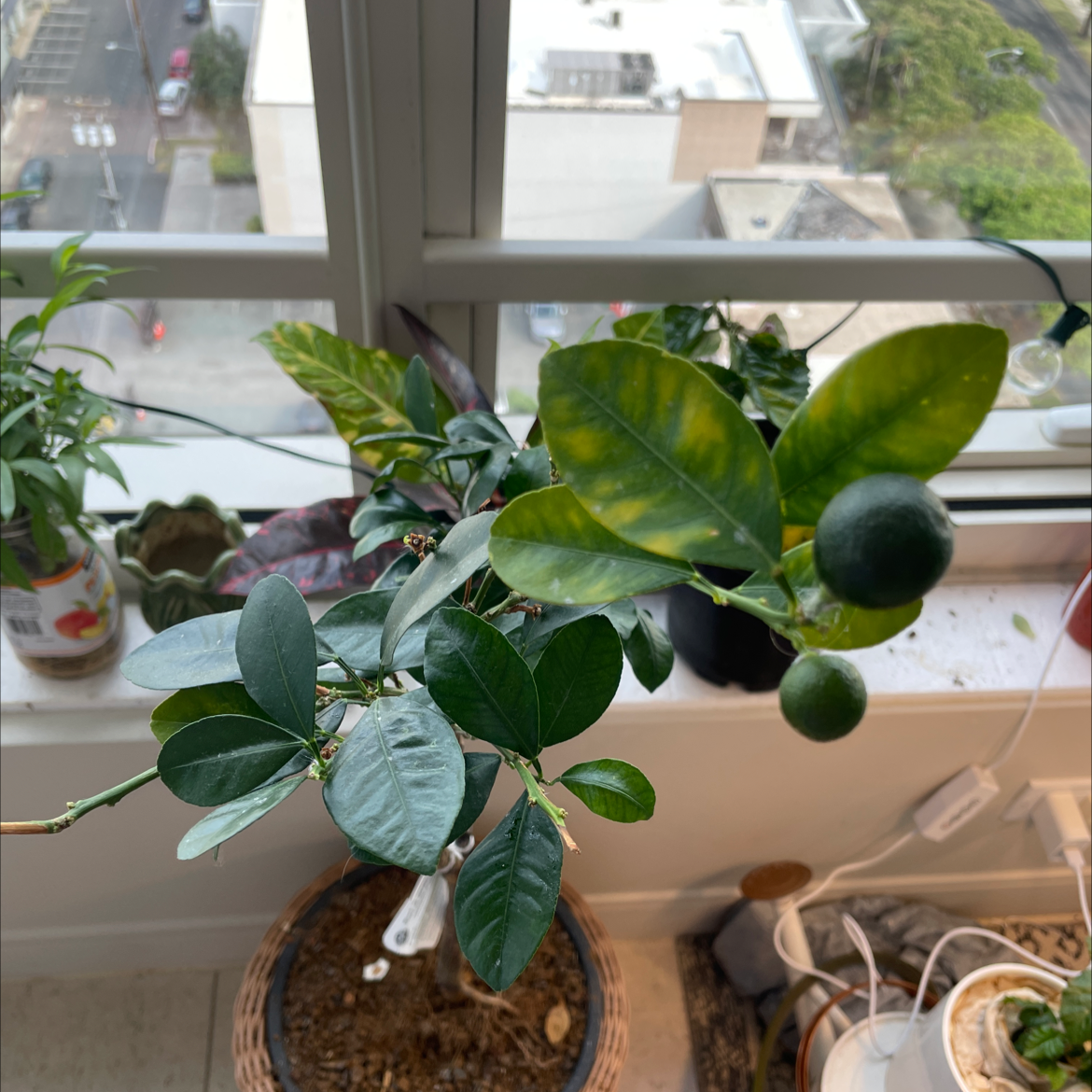
Calamondin

How to Prune Calamondin

Citrus x microcarpa
Reviewed by Kiersten Rankel M.S.
Quick Answer
Prune Calamondin in late winter or early spring, just before new growth begins. Remove dead, crossing, or inward-growing branches to open the canopy and improve light and airflow. Limit removal to no more than a quarter of the plant at one time.

When is the best time to prune?

Calamondin is a citrus that can bloom multiple times a year, so timing varies by region based on when the plant is between active fruiting cycles.

US pruning regions map
Pacific
Feb–Mar
Mountain
Mar–Apr
Midwest
Mar–Apr
Northeast
Mar–Apr
Southeast
Feb–Mar
Stay on top of plant care
Get seasonal reminders for watering and fertilizing — personalized for your plants.
Try Greg Free

Why Should I Prune My Calamondin?

Calamondin is a naturally compact citrus, so it doesn't need heavy pruning the way a large tree would. The goal is to keep the interior open enough for light and air to reach all parts of the plant, which improves fruit quality and reduces the chance of fungal disease.

Focus first on removing any dead or diseased wood, which can be done any time you notice it. Dead branches are easy to spot: they don't flex, have dry bark, and produce no new growth. Cut them back to where living wood begins.

Next, remove branches that cross through the center of the plant or rub against each other. These create wounds that invite disease and shade out the lower canopy. Pick the better-positioned branch to keep and remove the other.

Calamondin blooms on new growth, so light pruning in late winter removes older wood and encourages a fresh flush of flowering stems. Avoid pruning heavily when the plant is actively fruiting or flowering, as you may remove developing fruit.

Know Before You Cut

Difficulty Moderate
Max removal 1/4 of canopy per session
Growth pattern Compact branching shrub or small tree
Tools Pruners or loppers

What Should I Remove?

Remove dead or diseased branches back to living wood
Cut out branches crossing through the center
Thin branches that rub against each other
Trim any suckers growing from below the graft union
Clean cuts just above a healthy leaf node or bud
Don't prune while the plant is actively fruiting heavily
Don't remove more than a quarter of the plant at once
Don't cut into the graft union at the base of the trunk

How Do I Prune Step by Step?

1
Inspect the plant before cutting anything
Walk around the plant and identify dead wood, crossing branches, and any suckers growing from the base or below the graft union. Mental planning before cutting prevents mistakes.
2
Remove dead and diseased wood first
Cut dead branches back to where you see living wood, indicated by green tissue under the bark. Make cuts just above a healthy bud or side branch.
3
Remove suckers from below the graft
Calamondin is typically grafted. Shoots emerging from below the graft union on the trunk or roots will not produce the same fruit and should be removed at the base before they divert energy.
4
Thin crossing and inward branches
Working one branch at a time, remove those that cross through the center or press against other branches. Cut just outside where the branch attaches to a larger limb.
5
Step back and assess
After each cut, step back and look at the overall shape. The goal is a roughly rounded canopy with open space in the center. Stop before removing a quarter of the total branches.

Got More Questions?

Can I prune Calamondin while it has fruit on it?
Light removal of dead wood is fine any time. For shaping cuts, wait until the heaviest fruiting period is over. Removing branches with ripening fruit is wasteful and stresses the plant.
What if I accidentally cut off a healthy flowering branch?
Calamondin blooms multiple times a year, so missing one flush of blooms is not a serious setback. The plant will produce new flowering growth after pruning.
How do I tell the graft union from a sucker?
The graft union is a visible bulge or slight change in bark texture low on the main trunk. Shoots that emerge from below that point or from the roots are suckers and should be removed promptly.
My Calamondin is leggy and thin. Can I cut it back hard?
Light rejuvenation works well: cut back by up to a quarter, fertilize, and give it good light. Very hard pruning risks removing all fruiting wood. Spread rejuvenation over two seasons if the plant is very overgrown.
Stay on top of plant care
Get seasonal reminders for watering and fertilizing — personalized for your plants.
Try Greg Free

About This Article

Kiersten Rankel M.S.
Botanical Data Lead at Greg · Plant Scientist
About the Author
Kiersten Rankel holds an M.S. in Ecology & Evolutionary Biology from Tulane University. A certified Louisiana Master Naturalist, she has over a decade of experience in science communication, with research spanning corals, cypress trees, marsh grasses, and more. At Greg, she curates species data and verifies care recommendations against botanical research.
See Kiersten Rankel's full background on LinkedIn.
Editorial Process
Pruning guidance verified against Citrus x microcarpa growth data from Greg's botanical database, cross-referenced with USDA hardiness zone data and published horticultural research.
491+ Greg users growing this plant
USDA hardiness zones 9a–11b
Grow plants with confidence