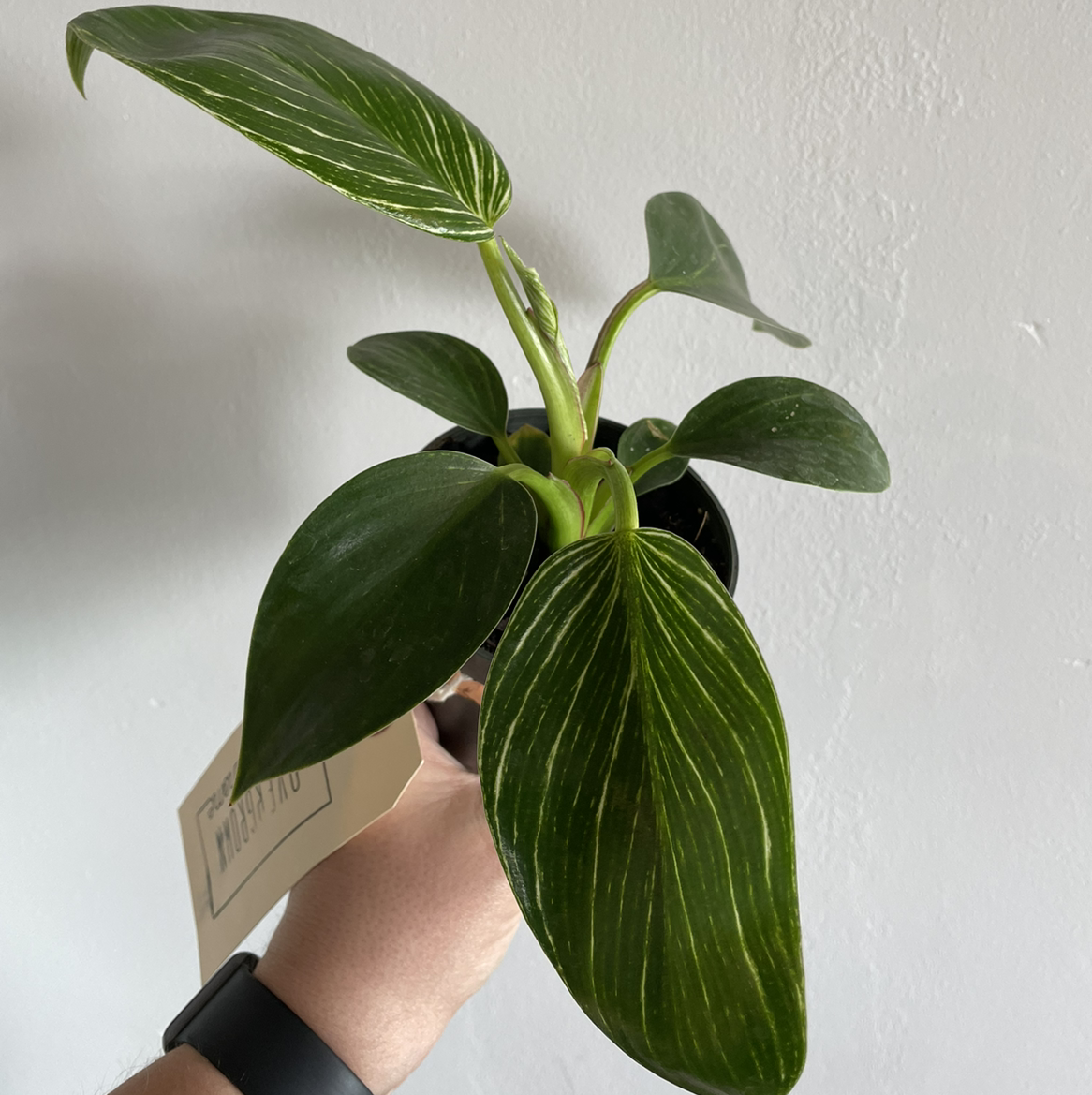
βœ‚οΈ When and Where to Trim Your Philodendron 'Birkin'

Philodendron 'Birkin'

By the Greg Editorial Team

Oct 10, 20245 min read

This article was created with the help of AI so we can cover more plants for you. May contain errors. See one? Report it here.

Unlock vibrant growth in your Philodendron 'Birkin' 🌱 with expert pruning tips for a thriving plant!

  1. 🌱 Best pruning times are spring for rejuvenation and fall for maintenance.
  2. βœ‚οΈ Signs to trim include yellow leaves, overcrowding, and damaged foliage.
  3. πŸ› οΈ Use clean, sharp tools and cut at an angle for optimal plant health.

When to Trim

🌱 Best Seasons for Pruning

Timing is everything when it comes to trimming your Philodendron 'Birkin.'

  • Spring is the prime season for rejuvenation, as the plant is gearing up for new growth. This is when you can encourage lush foliage and vibrant health.

  • Fall serves as a maintenance period, allowing you to tidy up before the plant enters dormancy. A little prep now can make a big difference in how your plant fares through winter.

βœ‚οΈ Signs That Indicate It's Time to Prune

Knowing when to prune is just as crucial as knowing how.

  • Look for yellowing or browning leaves; these are clear indicators that your plant needs some attention.

  • An overcrowded appearance with overlapping foliage can stifle growth and airflow, making it a prime candidate for a trim.

  • Dead or damaged leaves should be removed promptly to keep your plant healthy and thriving.

  • If you notice aerial roots becoming unruly, it’s time to rein them in. Pruning these can help maintain the plant's aesthetic and overall health.

Recognizing these signs will keep your Philodendron 'Birkin' looking its best and encourage robust growth. Now that you know when to trim, let’s explore where to cut for optimal results.

Where to Cut

🌿 Identifying the Right Nodes for Cutting

When pruning your Philodendron 'Birkin', focus on the nodes just above healthy leaves. This strategy encourages optimal regrowth and keeps your plant thriving.

Avoid cutting too close to the stem. Doing so can damage the plant and hinder its recovery, so always leave a bit of space for healthy growth.

βœ‚οΈ Techniques for Making Clean Cuts

Using sharp, sterilized pruning shears is essential for effective pruning. Clean tools help prevent disease, ensuring your plant stays healthy.

Angle your cuts slightly to promote water runoff and reduce the risk of rot. Smooth cuts minimize stress on the plant, allowing it to heal more quickly and efficiently.

By following these guidelines, you’ll ensure your Philodendron 'Birkin' remains vibrant and healthy. Next, let’s explore the step-by-step process for pruning your plant effectively.

How to Prune

Step-by-Step Pruning Process 🌱

Pruning your Philodendron 'Birkin' can seem daunting, but it’s straightforward once you break it down. Start by assessing the plant for areas that need attention, such as yellowing leaves or overcrowded sections.

Next, gather your tools: sharp pruning shears, gloves, and disinfectant. Having everything ready will make the process smoother.

Begin by removing any dead or damaged leaves first. This clears the way for healthier growth and helps the plant focus its energy where it’s needed most.

Then, trim overcrowded areas, paying special attention to nodes where new growth can sprout. This targeted approach encourages a fuller, more vibrant plant.

Finally, clean up any fallen debris to prevent pests from taking up residence. A tidy workspace is key to maintaining a healthy plant.

Tools Needed for Effective Pruning πŸ”§

To prune effectively, you’ll need a few essential tools:

  • Sharp pruning shears: These ensure clean cuts that promote healing.
  • Disinfectant: Rubbing alcohol works well to sterilize your tools and prevent disease.
  • Gloves: Protect your hands from sap and potential irritants.

Having the right tools on hand makes all the difference in your pruning experience.

Safety Precautions During Pruning 🦺

Safety should always come first when pruning. Wear gloves to protect your hands from sap and any potential irritants that might be lurking on the leaves.

Ensure your tools are clean before you start. This simple step helps prevent disease transmission, keeping your plant healthy.

Finally, work in a well-lit area to avoid accidents. Good lighting helps you see what you’re doing and ensures you make precise cuts.

With these steps and precautions in mind, you’re well on your way to mastering the art of pruning your Philodendron 'Birkin'. Next, let’s explore the rationale behind deadheading and how it can further enhance your plant's health.

Deadheading

Rationale for Deadheading 🌱

Deadheading your Philodendron 'Birkin' is essential for encouraging new growth. By removing spent leaves, you prevent the plant from draining energy on parts that no longer serve a purpose.

This simple practice also enhances the overall appearance of your plant. A tidy look not only makes your 'Birkin' more attractive but also promotes healthier growth.

Step-by-Step Instructions for Deadheading βœ‚οΈ

  1. Identify Spent Leaves: Look for leaves or flowers that have wilted or turned brown. These are prime candidates for removal.

  2. Use Clean Shears: Grab your clean pruning shears and cut just above the node. This technique helps stimulate new growth.

  3. Dispose of Cuttings: Don’t forget to dispose of the cuttings properly. This prevents attracting pests that might harm your plant.

  4. Monitor for New Growth: After deadheading, keep an eye on your plant. You should see new growth emerging as it redirects energy to healthier parts.

Deadheading is a straightforward yet impactful way to keep your Philodendron 'Birkin' thriving. With these steps, you can ensure your plant remains vibrant and healthy, setting the stage for effective pruning techniques next.

Common Pruning Mistakes

βœ‚οΈ Over-Pruning and Its Effects

Over-pruning can stress your Philodendron 'Birkin', leading to stunted growth. This not only hampers its vitality but can also create an unbalanced appearance that detracts from its natural beauty.

🧐 Misidentifying Healthy vs. Unhealthy Growth

It's easy to confuse healthy yellowing leaves with signs of distress. Understanding the difference between natural aging and disease symptoms is crucial for effective pruning and maintaining plant health.

πŸ“ Key Takeaways

  • Avoid excessive cuts to keep your plant thriving.
  • Learn to recognize the signs of healthy growth versus unhealthy conditions.

By being mindful of these common mistakes, you can ensure your pruning efforts yield the best results. Next, let’s explore the rationale behind deadheading and how it can benefit your plant.

⚠️ Safety First

This content is for general information and may contain errors, omissions, or outdated details. It is not medical, veterinary advice, or an endorsement of therapeutic claims.

Always consult a qualified healthcare professional before using any plant as food, medicine, or supplement.

Never eat any plant (or feed one to pets) without confirming its identity with at least two trusted sources.

If you suspect poisoning, call Poison Control (800) 222-1222, the Pet Poison Helpline (800) 213-6680, or your local emergency service immediately.

Spotted an error? Please report it here.

Prune your Philodendron 'Birkin' like a pro βœ‚οΈ with Greg's tailored reminders and tips for thriving growth all year round!