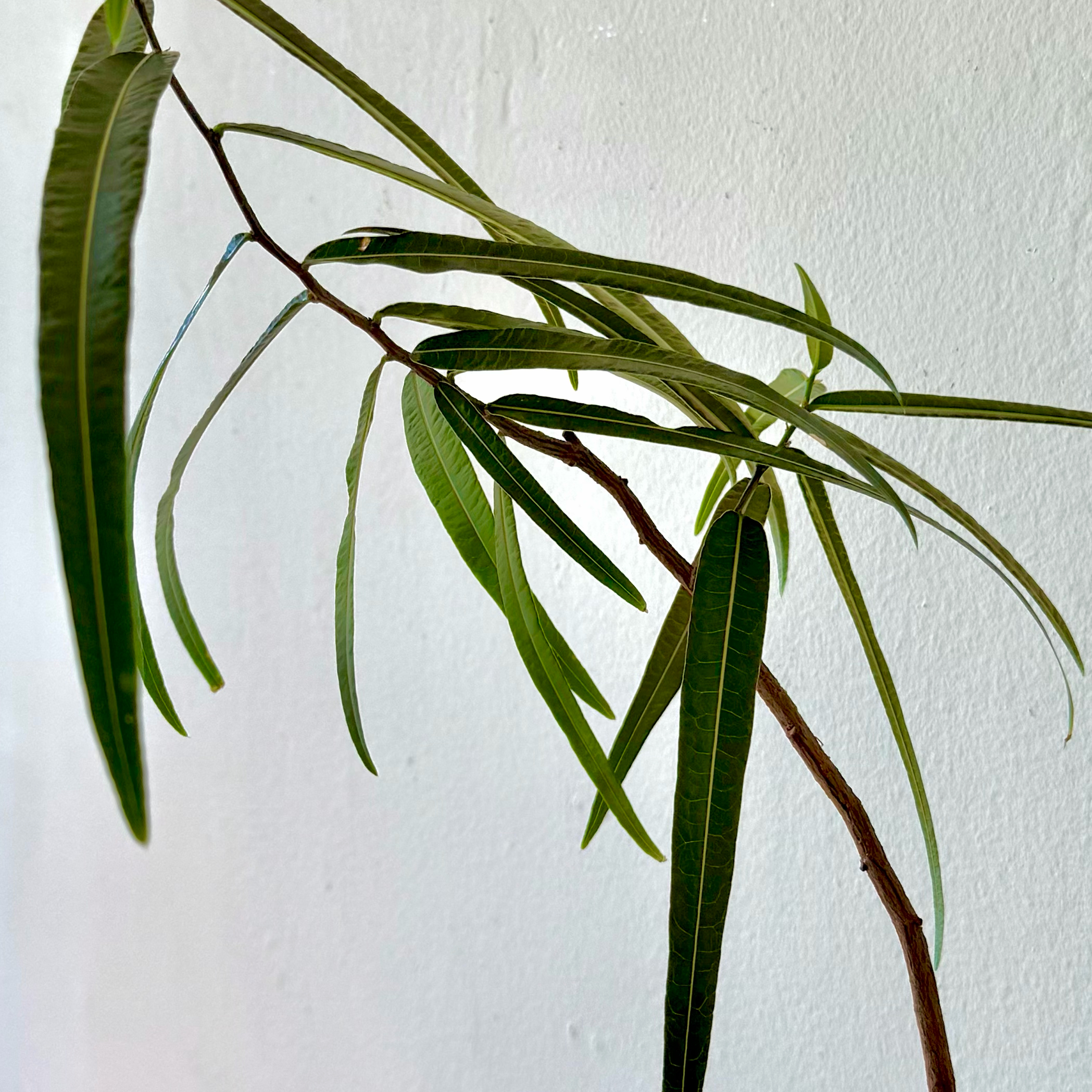
How to Plant an Australian Bottle Tree
Plant the Australian Bottle Tree in spring in full sun on sharply drained ground, with the root flare sitting at or just above the soil surface. Dig a hole twice as wide as the root ball but no deeper. Space trees at least fifteen feet apart. Water deeply every two weeks through the first year and let the soil dry between sessions. Expect slow steady growth, with noticeable trunk swelling beginning around year five.

When and where to plant
The Australian Bottle Tree is hardy in zones 9 through 11 and grows best in full sun, six or more hours of direct light each day. It tolerates partial sun once established but young trees plant out strongest in unobstructed sun, which helps the trunk thicken and store water the way the tree is famous for.
Plant in spring once the last frost has passed and the soil has warmed. The roots and the swollen trunk base need a long warm season to settle in before any cool weather returns. Late summer planting works in true zone 11 but is risky elsewhere because young trees handle cold poorly in their first year.
The site must drain sharply. The swollen trunk stores water and rots if it sits in saturated ground, so avoid low spots, heavy clay flats, and any area where water pools after rain. On poorly drained ground, plant on a slight mound six to twelve inches above grade. Space trees at least fifteen feet from structures, paths, and other large trees to leave room for the trunk to swell and the canopy to spread.
Planting a container-grown tree
The single most important rule for the Australian Bottle Tree is drainage around the swollen trunk base. The bottle-shaped trunk stores water as a survival strategy in dry Queensland conditions, but it rots fast if planted in soggy ground or buried below the root flare. Pick a site that drains sharply and set the flare slightly above the finished soil level so water always moves away from the base.
-
1Pick a planting day in spring Aim for a mild dry day in mid to late spring after the last frost has passed and night temperatures stay above 50°F. Hot sunny weather pulls moisture out of freshly disturbed foliage faster than new roots can replace it, and the swollen trunk is most vulnerable to rot when it has just been moved. If you must plant on a warm day, do the work in the early morning and rig temporary shade through the first afternoon.
-
2Dig the hole twice as wide Measure the root ball, then dig a hole twice as wide and the same depth, never deeper. A wide shallow hole loosens the surrounding soil so the new roots can push out laterally into the native ground. Skipping the width is the easiest way to slow establishment in clay or compacted sites, and digging too deep almost guarantees the root flare ends up buried as the loose soil settles.
-
3Find and set the root flare The root flare is the slight widening where the trunk transitions into the major surface roots, just below the bottle-shaped swelling on young trees. Brush soil away from the top of the root ball with your fingers until you can see the flare clearly, then position the tree so the flare sits at or just above your finished soil level. Trees with a buried flare slowly suffocate over two to five years, and on this species a buried flare also keeps the swollen base wet and invites rot from below.
-
4Score the roots if they are circling Lift the tree out of the container and check the sides of the root ball. If you see roots wrapping around in a spiral, make three or four shallow vertical cuts down the sides with a clean knife, about half an inch deep. Scoring tells the roots to branch out into the native soil instead of continuing the circle, which they sometimes never break out of on their own.
-
5Backfill, water in, and mulch carefully Hold the tree upright as you backfill with the same native soil you removed, firming gently to remove large air pockets. Water the planting hole until the soil settles, then top with two to three inches of mulch, keeping it a full six inches back from the trunk on all sides. Mulch piled against the swollen base traps moisture against living tissue and invites the same rot the drainage rule is meant to prevent.
The first year
The first year for a newly planted Australian Bottle Tree is mostly an underground story. The tree is moving energy from leaf growth into pushing roots out into the native soil, building the foundation that supports the swollen trunk and decades of slow steady growth. You should not expect much visible change on top during this period, and the bottle-shaped trunk does not begin obvious swelling until year five or later.
The most common new-grower mistake is reading slow above-ground growth as a sign of trouble and watering or feeding to compensate. Both cause serious problems on this species. Soggy roots invite the trunk rot the tree is most vulnerable to, and fertilizer pushes leafy growth before the root system can support it. Water deeply but infrequently, and skip the fertilizer entirely for the first year.
Healthy first-year growth looks like steady leaf color, a small amount of normal seasonal leaf drop, and one short push of fresh foliage in late spring.
What can go wrong
-
Soft or rotting trunk base
Soggy soil around the swollen trunk is the culprit, often combined with mulch piled against the bark. The trunk stores water and rots fast when surrounded by saturated ground. Pull all mulch six inches back from the trunk, stop watering until the soil dries an inch down, and if the site stays wet after rain, lift the tree onto a mound six to twelve inches above grade. Caught early, the tree recovers. Caught after the soft area spreads around the trunk, recovery is unlikely. -
Buried root flare (slow decline)
If the flare disappeared into the planting hole or under added mulch, the tree is slowly suffocating and the swollen base is staying wet. Gently excavate the area around the trunk with your hands until you can see the trunk widening into roots, then pull soil and mulch back from that point. Done within the first year, recovery is usually full. Done after several years, the decline is often too far along to reverse. -
Browning leaves in the first weeks
Transplant shock from heat or wind drying the foliage faster than new roots can rehydrate it is the usual cause. Check that the root ball is staying moist but not soaked. Water deeply at the base and avoid wetting the foliage during the hottest part of the day. A small amount of leaf drop is normal in the first month and the tree pushes fresh growth once roots take hold. -
Frost damage on young foliage
The Australian Bottle Tree handles light brief frost once established but young trees in their first winter are vulnerable below 28°F. Damaged leaves blacken and drop, and severe cold can kill back to the trunk. In marginal zone 9 sites, wrap the trunk with frost cloth and cover the canopy on nights forecast below 32°F through the first winter. The tree usually recovers in spring if the trunk itself was not frozen through. -
All leaves drop in late fall or after a cold snap
The tree is partly to fully evergreen in warm zones but drops leaves in response to cold, drought, or transplant stress. A complete leaf drop in the first year after a chilly week is alarming but usually not fatal. Stop watering until soil dries an inch down, hold off on fertilizer, and wait for spring. Healthy trees push fresh leaves once temperatures warm and the trunk stays firm to the touch. -
No visible trunk swelling after year one
This is normal and expected. The signature bottle-shaped trunk does not begin obvious swelling until around year five, and the dramatic mature form takes fifteen years or longer. The tree puts most of its first-year energy into roots and only later begins thickening the trunk into a water storage organ. If color holds and the canopy is gradually expanding, the tree is doing what it should. -
Sunscald on the trunk of a young tree
Bark on young Australian Bottle Trees can crack or peel in patches when exposed to intense afternoon sun, especially on the south or west side of newly planted trees that came from a shaded nursery row. Wrap the lower trunk with light-colored tree wrap for the first summer to reflect heat and let the bark thicken gradually. Remove the wrap each fall so it does not trap moisture against the trunk through the cool season. -
Slow or stalled growth in year one
Slow growth is normal for this species, which puts most of its energy underground in the first year. A healthy newly planted tree typically adds only two to six inches of new height in year one, with the rest of the growth happening invisibly below ground. If leaf color holds and there is no soft spot at the base, the tree is doing what it should and visible growth picks up modestly in year two.
About This Article
