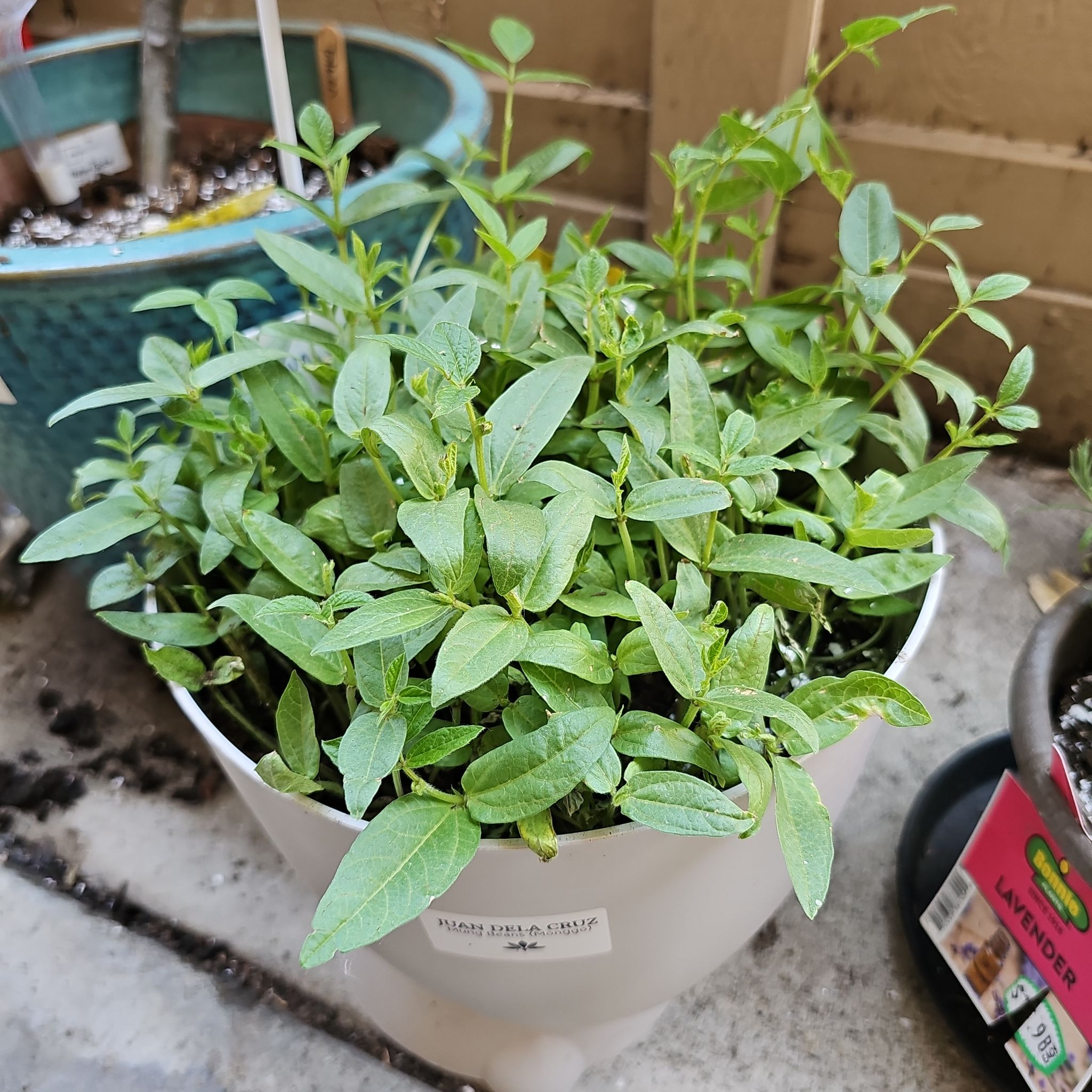
How to Plant a Mung Bean
Plant mung bean seeds outdoors in late spring once soil at 4 inches deep reads 65°F, about two weeks after your last frost. Sow 1 inch deep and 3 inches apart in full sun with loose well-drained soil. Rows go 18 to 24 inches apart. Most home growers harvest dry beans 70 to 100 days from planting, with the first pods turning brown about ten weeks in.

When and where to plant
Mung beans are a warm-season annual that needs heat to germinate and grow. Wait until soil at 4 inches deep reads 65°F, which is usually about two weeks after your last spring frost in most US gardens. Seeds planted into cooler soil rot in the ground before they can sprout.
Pick a spot with at least 6 hours of direct sun. Mung beans tolerate light afternoon shade in hot southern zones but produce more pods in full sun. The soil should be loose and well-drained with a pH between 6.2 and 7.2. Heavy clay holds water and starves the seeds of oxygen, so on dense ground, work in 2 to 3 inches of compost before planting or plant on a slight mound.
Space plants 3 to 4 inches apart within the row, with 18 to 24 inches between rows. Mung bean plants stay compact, usually 2 to 3 feet tall, so they don't need staking and can fit between other warm-season crops.
Direct seeding into the garden
Mung beans resent root disturbance, so direct-seed them rather than starting indoors and transplanting. The critical rule is soil temperature. Seeds planted into soil below 65°F sit and rot instead of sprouting, because cold wet conditions favor soil fungi over the seed's own defenses. Check soil temperature with a basic probe thermometer before you commit.
-
1Wait for the soil to warm Push a soil thermometer 4 inches into the ground in the morning and read it for three days in a row. You want a steady reading of 65°F or higher before planting. Soil that hits the target one warm afternoon and drops back overnight is not yet ready, and seeds planted into a cold dip will rot before they can germinate.
-
2Loosen the bed and shape rows Work the top 6 to 8 inches of soil with a fork or broadfork, breaking up clods and pulling out perennial weeds. Mix in 2 inches of finished compost if the ground is heavy or worked-out. Rake the surface smooth and mark out rows 18 to 24 inches apart so the plants have room to bush out without crowding each other.
-
3Sow the seeds 1 inch deep Push each seed 1 inch into the soil with your finger or the back of a pencil, spacing them 3 inches apart down the row. Plant a few extra at the end of each row as insurance against patchy germination. Cover lightly with soil and firm the surface with the flat of your hand so the seed makes good contact with moisture.
-
4Water in and keep evenly moist Water gently with a fine spray right after planting until the top 2 inches of soil are uniformly damp. Keep the surface moist but not soggy for the first 7 to 10 days while seeds germinate, which usually means a light watering every other morning in dry weather. Once seedlings are up, ease back to about an inch of water per week measured at the base of the plants.
The first month
Most of the action in the first week is invisible. The seeds are absorbing water, swelling, and pushing roots downward before the first green hook breaks the surface. Don't panic if you see nothing for five to seven days, and avoid the temptation to dig and check, which usually breaks the emerging shoot.
The most common new-grower mistake is overwatering during germination. Soggy soil suffocates seeds and invites the same rot that cold soil causes. Aim for evenly moist, not wet. Once true leaves appear, mung beans grow quickly in warm weather and will outpace most weeds on their own.
Healthy first-month growth looks like even emergence across the row within 5 to 10 days, dark green trifoliate leaves by week 2, and the first small yellow flower buds forming at the leaf joints by the end of week 4.
What can go wrong
-
Seeds rotting in the ground
Cold wet soil is the most common cause. Temperatures below 65°F slow the seed's own defenses while soil fungi thrive, so the seed softens and decays before it can sprout. Wait for a steady 65°F reading at 4 inches deep before planting, and avoid sowing into a bed that has just received heavy rain. If your spring is consistently cool, lay clear plastic over the bed for a week before planting to pre-warm the soil. -
Patchy or no germination
Either the seed is old or the soil dried out before the seedlings could break through. Mung bean seed loses vigor after 2 to 3 years in storage, so check the date on the packet. Keep the top 2 inches of soil evenly moist for the first 7 to 10 days after sowing, watering lightly every other morning in dry weather. Replant any gaps within the first two weeks so the row matures together. -
Damping off (seedlings collapse at the soil line)
A soil-borne fungus attacks the stem at the surface, pinching the seedling so it falls over. Overwatering and poor air circulation create the conditions for it. Water in the morning so the surface dries through the day, and thin crowded seedlings to the recommended 3 inch spacing. Avoid planting into the same bed two years in a row if you have seen damping off before. -
Flea beetles chewing pinholes in young leaves
Tiny black or bronze beetles jump when you brush the leaves, leaving a fine shot pattern of holes. Young seedlings can be set back hard by heavy feeding, while established plants outgrow the damage. Cover the row with floating row cover from planting until first flowering, lifting the cover during pollination. A light dusting of kaolin clay on the leaves also deters them without harming pollinators. -
Leggy stretched seedlings
Not enough sun is the cause. Mung beans that get less than 6 hours of direct light reach for the light source and grow tall and thin instead of compact and bushy. Move row covers off as soon as germination is complete so the seedlings get full sun, and thin any taller neighboring crops that may be shading the bed. There is no good fix for stretched seedlings, so prevent the problem by siting in full sun from the start. -
Yellow lower leaves on young plants
Waterlogged soil is usually the culprit on heavy ground, especially after a rainy week. Roots starved of oxygen stop taking up nitrogen and the lower leaves fade to yellow. Check that water drains from the bed within a few hours after rain, and ease back on irrigation until the soil dries to an inch down. On clay sites, plan on a raised bed or mound for the next planting. -
Bean fly larvae tunneling in stems
A small fly lays eggs on young seedlings, and the larvae tunnel down through the stem, causing the plant to wilt suddenly and snap at the base. The damage shows up in the first three weeks after emergence in warm humid regions. Cover seedlings with floating row cover from planting until they are 6 inches tall, and pull and destroy any plant that wilts overnight so the larvae don't pupate in your soil. -
Slow growth in cool weather
Mung beans grow best with daytime highs in the 80s and nights above 60°F, so a cool spell after germination stalls them out. A planting that goes in on time can still sit and sulk if temperatures drop. Hold off on watering during cool stretches since the plants are not actively taking it up, and resist the urge to fertilize. Once warm weather returns the plants resume normal growth on their own.
About This Article
