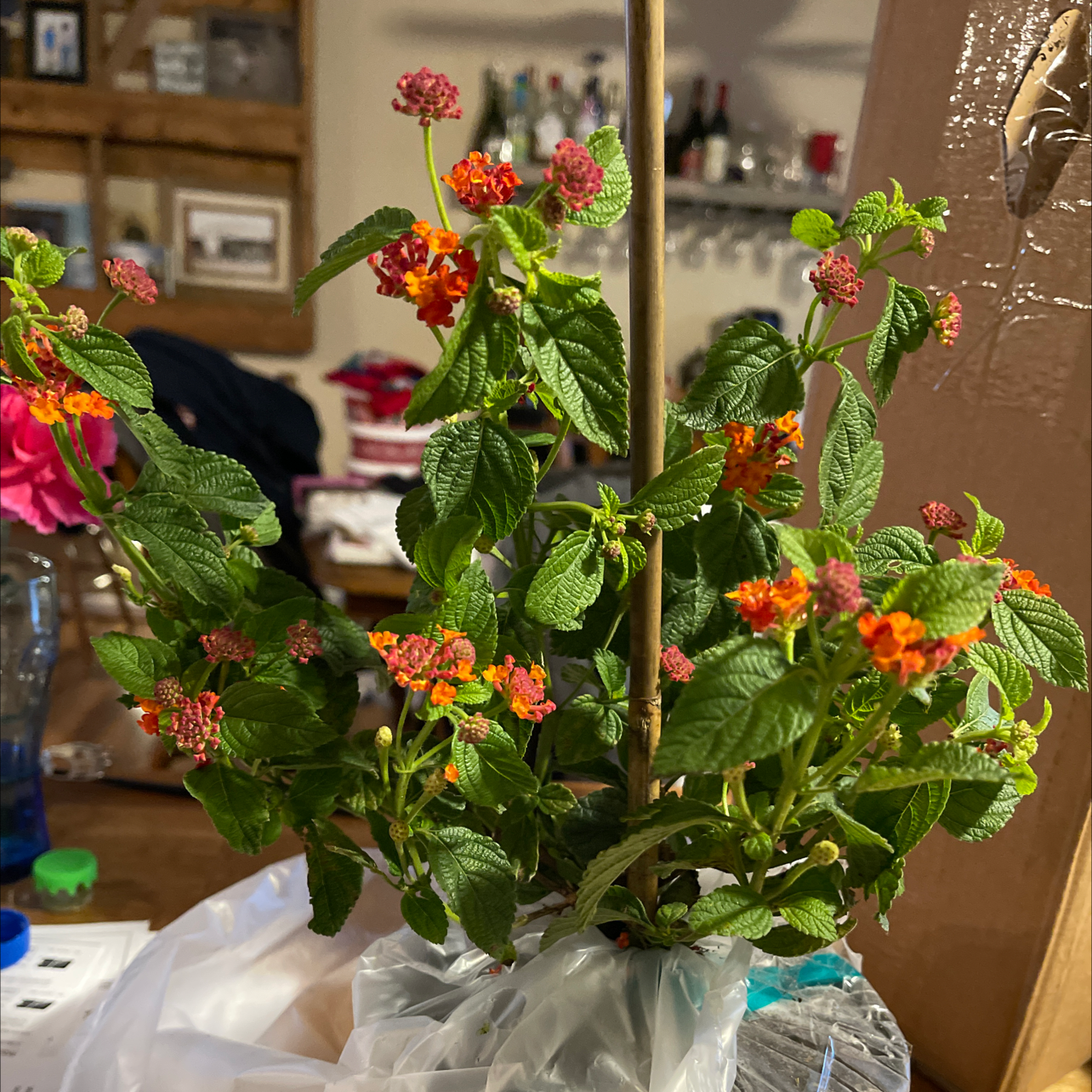
How to Plant a Lantana
Plant Lantana outside in late spring after the last frost, in a spot with at least six hours of direct sun and well-drained soil. Set the root ball so the top sits level with the surrounding soil, and space plants 18 to 24 inches apart. Water deeply once a week through the first month while roots establish. Expect first flower clusters within two to three weeks and continuous bloom through fall.

When and where to plant
Lantana is a tropical flowering shrub that needs heat, sun, and air movement. Plant outside once nighttime temperatures stay above 50°F, which is usually two to three weeks after your last spring frost. Soil that has warmed to at least 60°F gets roots moving right away.
The site needs full sun, six or more hours of direct light each day. In partial shade the plant survives but stretches toward the light and produces few flowers, which defeats the reason most gardeners grow Lantana in the first place. Pick the brightest open spot you have.
Well-drained soil is the other non-negotiable. Lantana tolerates poor sandy ground and even rocky sites, but it rots quickly in clay that holds water or in low spots where puddles linger after rain. On heavy ground, plant on a slight mound or in a raised bed. Space plants 18 to 24 inches apart for a full bed, or 24 to 36 inches for an airy informal look.
In zones 8 through 11 Lantana returns each year as a perennial shrub. In colder zones treat it as an annual or move a potted plant inside before frost. Worth knowing: Lantana camara is listed as invasive in Florida, Hawaii, and Texas. If you garden in one of those states, check local guidance or pick a sterile cultivated line that does not set seed.
Planting from a nursery transplant
Pick stocky plants with deep green leaves and a few buds or open flowers already showing. The critical rule for Lantana is the combination of full sun and sharp drainage. Plants set in shade refuse to bloom, and plants set in soggy ground rot at the crown within a few weeks. Get both right at planting and the rest of the season is mostly watching.
-
1Pick a warm planting day Wait for a stretch when nighttime lows are reliably above 50°F and the soil has warmed at four inches deep. Cool wet ground stalls Lantana and invites root rot before the plant ever takes off. A cloudy mild day in late morning is ideal because the transplant loses less moisture while it adjusts.
-
2Dig the hole twice as wide Measure the nursery pot, then dig a hole the same depth and twice as wide. The wider hole loosens the surrounding soil so new roots can push out laterally instead of circling. On clay or compacted ground, mix a generous handful of coarse sand or fine grit into the backfill to improve drainage where the roots will be living.
-
3Slide the plant in at soil level Tip the nursery pot on its side and slide the root ball out, supporting the base with one hand. Set the plant in the hole so the top of the root ball sits flush with the surrounding soil, never below. Planting too deep traps moisture against the crown and is one of the fastest ways to lose a young Lantana.
-
4Loosen circling roots if you see them Look at the sides of the root ball before you backfill. If you see roots wrapping tightly around the outside, score down the sides with a clean knife in three or four shallow vertical cuts, or gently tease the bottom roots outward with your fingers. Loosened roots branch into the native soil instead of continuing to circle inside the old shape.
-
5Backfill, water in, and mulch lightly Hold the plant upright while you backfill with the native soil you dug out, firming gently to remove large air pockets. Water deeply at the base until the soil settles, then top with one to two inches of mulch kept a few inches back from the stems. Lantana likes its crown dry, so a thinner mulch layer is better than a thick one piled against the base.
The first month
Lantana settles in quickly when planted into warm soil with full sun. Most of the visible action above ground in the first weeks is the plant deciding whether the site works. Healthy new transplants stand up firm within a day or two, push fresh green growth at the tips by the end of week two, and start opening new flower clusters by week three.
The most common mistake in this window is overwatering. Lantana is drought tolerant once established and resents wet feet, so the watering rhythm needs to shift from frequent transplant care to a deep weekly soak fairly quickly. Let the soil dry an inch down between waterings rather than watering on a fixed schedule.
If you see drooping in the first few days, check soil moisture before reaching for the hose. A wilted Lantana in damp soil is rotting, not thirsty, and another watering finishes it off.
What can go wrong
-
Wilting in the first few days
Transplant shock is the usual cause, and it usually resolves on its own within a week. Check that the soil is moist an inch down, not soaked, before adding more water. Shade the new plant with a small piece of cardboard during the hottest part of the afternoon for the first three or four days if it was planted into strong direct sun. If the soil is already wet and the plant is still drooping, the problem is rot rather than thirst, and watering again will make it worse. -
Leaves yellowing and dropping after planting
Cool soil or soggy roots are the two most common triggers in the first weeks. Lantana wants soil at 60°F or warmer and resents standing water around the crown. Check that you did not plant too early in the season and that the site drains within a few hours after rain. If drainage is the problem, lift the plant, mound the soil a few inches above grade, and replant on top of the mound. -
No flowers in the first month
Not enough sun is the most common cause of a non-blooming Lantana. The plant needs at least six hours of direct light each day to bud well, and partial shade pushes it into leafy growth instead. Watch the spot for a full day and count actual sun hours rather than estimating. If the site clearly does not get the light Lantana needs, move the plant to a sunnier location before the heat of summer sets in. -
Mushy stems at the soil line
Crown rot from wet soil or from mulch piled against the stems is the cause. Pull mulch back from the base of the plant so the crown can dry, and stop watering until the soil dries down an inch or more. Heavy ground that stays wet after a normal watering is a structural problem and replanting on a mound is usually the fix. Once the crown turns mushy through, the plant rarely recovers. -
Leggy stretched growth with sparse leaves
The plant is reaching for light it is not getting. This shows up in part-shade sites or in spots crowded by taller neighbors. Move the plant to a sunnier location if you can, and pinch the longest stems back by a third to push branching from lower buds. Lantana responds to a light pruning by sending out two new shoots for every cut, which thickens the plant within a couple of weeks. -
White powdery patches on the leaves
Powdery mildew shows up when air sits still around the plant for too long, especially in humid weather. Thin any crowded growth around the base to improve airflow, and water at the soil level rather than overhead so the leaves stay dry. If the patches are spreading, remove the worst-affected leaves and discard them away from the planting bed. Healthy Lantana in full sun with good air movement rarely develops mildew at all. -
Tiny new seedlings popping up nearby
Lantana camara reseeds aggressively in warm climates, and the seedlings can crowd out other plants in the bed or escape into wild areas. Pull young seedlings as soon as you see them, while the roots are still shallow and easy to remove. In Florida, Hawaii, and Texas the plant is listed as invasive, so removing volunteer seedlings is especially important. Pick a sterile cultivated line at the nursery next time if reseeding becomes a regular problem. -
Frost damage on leaves and stems
A late cold snap blackens the tender new growth and may kill the plant outright in zones 7 and colder. There is no rescue once the damage is done, but a plant that was only nipped on the tips will often push fresh shoots from lower down as warm weather returns. Wait two or three weeks before deciding the plant is gone, and look for green tissue scratched gently into a stem with your thumbnail. If you garden where late frosts are a real risk, hold off planting Lantana until two to three weeks after your last expected frost date.
About This Article
