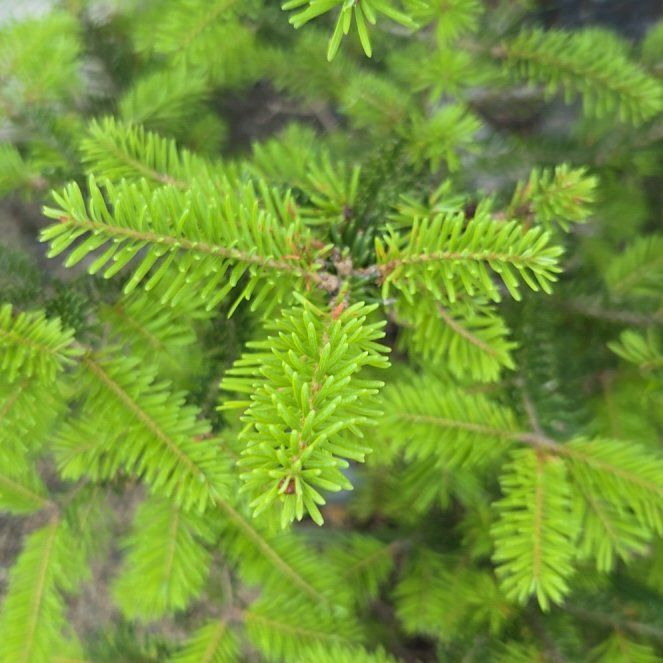
How to Plant a Fraser Fir
Plant Fraser Fir in spring or early fall on a cool well-drained site, with the root flare sitting at or just above the soil surface. Dig a hole twice as wide as the root ball but no deeper. Space trees 15 to 25 feet apart in full sun, in acidic soil from pH 5.0 to 6.0. Water deeply once a week through the first year. Expect a settled tree by year two and slow steady upward growth.

When and where to plant
Fraser Fir is hardy in zones 4 through 7 and grows best in full sun, six or more hours of direct light each day. The species evolved on cool high-elevation peaks in the southern Appalachians, so it needs a cool moist site to thrive. Heat and humidity below about 4,000 feet in the south push the tree past its tolerance, and it almost always fails in the long run in piedmont and coastal zones.
Plant in spring once the ground has thawed, or in early fall about six weeks before your first hard freeze. Either window gives the roots time to settle before the next stress season. Pick a site with deep well-drained soil. Heavy clay and low spots hold water and cause root rot, which Fraser Fir has very little tolerance for. On poorly drained ground, plant on a raised mound or skip the species and pick a more clay-tolerant conifer.
Soil should be acidic, ideally pH 5.0 to 6.0. Space trees 15 to 25 feet apart for a screen or grove, more if you want each tree to stand alone with full skirt-to-the-ground form.
Planting a container-grown tree
The single most important rule for Fraser Fir is the root flare, where the trunk widens into the surface roots, must sit at or just above the finished soil level. Trees buried below the flare slowly suffocate over two to five years, often without obvious early warning. Pair that with a cool well-drained site and you have given a young Fraser Fir its best chance.
-
1Pick a cool planting day Aim for an overcast day in spring after the last hard frost or in early fall about six weeks before your first hard freeze. Hot sunny weather dries freshly transplanted needles faster than new roots can replace the moisture. If you must plant on a warm day, do it in the early morning and shade the new tree through the first afternoon.
-
2Dig the hole twice as wide Measure the root ball, then dig a hole twice as wide and the same depth, never deeper. A wide hole loosens the surrounding ground so new roots can push out into native soil. Digging deeper than the root ball almost guarantees settling, which drops the root flare below grade and starts the slow suffocation problem.
-
3Find the root flare and set the depth Brush soil off the top of the root ball with your fingers until you can see the trunk widen into the surface roots. Position the tree so this flare sits at or just above your finished soil level, not below. On clay or compacted ground, plant the flare an inch or two proud of grade because the root ball settles after watering in.
-
4Score circling roots if you see them Slide the tree out of the container and look at the root ball sides. If roots wrap the outside in a spiral, use a clean knife to make three or four shallow vertical cuts down the sides, about half an inch deep. Scoring tells the roots to branch out into native soil instead of continuing the circle they were stuck in.
-
5Backfill, water in, and mulch with a gap Hold the tree upright as you backfill with the native soil you removed, firming gently to remove air pockets. Water until the hole settles, then spread two to three inches of mulch in a wide ring, keeping the mulch four inches back from the trunk. A mulch volcano piled against the bark traps moisture against living wood and invites the same rot the root flare rule is meant to prevent.
Planting a balled-and-burlapped tree
Larger Fraser Firs are often sold balled-and-burlapped from field nurseries. The root ball is heavier and the tree is taller, so a B&B plant is more vulnerable to drying out and to being set too deep. Find the root flare before you fix the depth, even if it means brushing two inches of soil off the top of the burlap to expose it.
-
1Move the tree by the root ball Carry or roll the tree using the root ball, never by the trunk. Lifting from the trunk tears the fine feeder roots away from the rest of the root system. If the tree is too heavy to lift safely, get help or rent a ball cart rather than risking a single off-balance lift.
-
2Find the root flare under the burlap Field-dug trees often have a couple of inches of soil pushed over the flare during nursery harvest. Carefully scrape the top of the ball away with your fingers until you can see the trunk widen into the major roots. Note that depth so you can match it to your finished grade.
-
3Dig a wide hole and set the tree Dig the hole two to three times the width of the root ball and only deep enough that the root flare sits at or just above the finished grade. Roll the tree into the hole and rotate it to its best side. Stand back and check that the flare is at grade before you backfill any soil.
-
4Cut away the top of the burlap and any wire cage Once the tree is positioned, cut and peel back the top third of the burlap and fold it down into the hole, where it will rot. Cut the top of the wire basket away with bolt cutters if one is present, since wire left near the surface can girdle roots as the trunk grows. Natural burlap below soil level breaks down on its own.
-
5Backfill, water deeply, and mulch with a gap Backfill with the native soil you removed, firming as you go to settle the ball without compacting it. Water until the entire root zone is soaked, then spread two to three inches of mulch in a wide ring, keeping the mulch four inches back from the trunk. A larger B&B tree may need a deep soak twice a week through the first hot stretch of summer, not just once.
The first year
The first year for a newly planted Fraser Fir is mostly an underground story. The tree is moving energy from new shoot growth into pushing roots out into the native soil, building the foundation that supports decades of slow steady upward growth. You should not expect much visible change in height during this period.
The most common new-grower mistake is reading slow above-ground growth as a sign of trouble and overcompensating with extra water or fertilizer. Both can backfire. Soggy roots invite the root rot Fraser Fir has very little tolerance for, and fertilizer pushes soft tip growth before the root system can support it. Stick to deep weekly watering and skip the fertilizer for the first year.
Healthy first-year growth looks like steady deep green needles, a small amount of normal interior needle drop in fall, and one short candle push of fresh light-green tips in late spring.
What can go wrong
-
Browning needles in the first weeks
Transplant shock from heat or wind drying the needles faster than the new roots can rehydrate them is the usual culprit. Check that the root ball stays moist, not soaked, and water deeply at the base. Avoid wetting the foliage during the hottest part of the day. If the tree was just dug as B&B, give it longer to recover and shade the south side for the first few weeks. -
Buried root flare and slow decline
If the flare disappeared into the planting hole or under added mulch, the tree is slowly suffocating. Gently excavate around the trunk with your hands until you can see the trunk widen into the surface roots, then pull soil and mulch back from that point. Done within the first year, recovery is usually full. Done after several years of buried-flare decline, the tree is often too far gone to save. -
Mushy roots or rot from waterlogged soil
Heavy clay or a low planting spot collects water and starves the roots of oxygen, which Fraser Fir has very little tolerance for. Lift the tree if the ground stays saturated for more than a day after rain, and either replant on a 6 to 8 inch mound or move to a better-drained site. Going forward, water based on whether the soil feels dry an inch down rather than on a fixed schedule. -
Heat-stressed needles in southern lowlands
Below about 4,000 feet in the southern US, summer heat and humidity push Fraser Fir past its tolerance, and the tree typically declines no matter how well it was planted. You may see needle yellowing, thinning canopies, and eventual top dieback. There is no real fix for site mismatch at this scale. Replant the spot with a heat-tolerant conifer like Eastern Red Cedar or Carolina Sapphire. -
Balsam woolly adelgid on the trunk and branches
Look for small white woolly patches on the bark, especially at branch crotches and the underside of the trunk. This insect has devastated wild Fraser Fir stands in the southern Appalachians and can hit landscape trees too. On a small tree, prune out the worst-affected branches and ask your local extension office about timing for a systemic insecticide treatment. Catching it early on a young tree usually saves the plant. -
Brown tips in late summer of year one
Drought stress is the most common cause in the first year, especially in late summer when the tree has not yet pushed deep enough roots to find moisture on its own. Water deeply once or twice a week and let the soil dry slightly between sessions. If the mulch ring has thinned or pulled away from the trunk, refresh it to a 2 to 3 inch depth to slow evaporation, keeping the gap around the bark. -
Winter burn on the south or west side
Cold dry winter wind pulls moisture from the needles faster than frozen roots can replace it, leaving rusty brown patches on exposed branches by early spring. In zones 4 and 5, water deeply right before the ground freezes hard in late fall, and consider a temporary burlap windbreak for the first winter on a wind-exposed site. Most of the time the tree pushes fresh growth from underneath in spring, so resist pruning the brown until then. -
Slow visible growth in year one
This is normal for Fraser Fir, which puts most of its energy underground during the first full year in the ground. A healthy young tree typically adds only 4 to 8 inches of new tip growth in year one, even less in colder zones. If color holds and tips are not browning, the tree is doing what it should, and visible growth picks up in years two and three once roots are established.
About This Article
