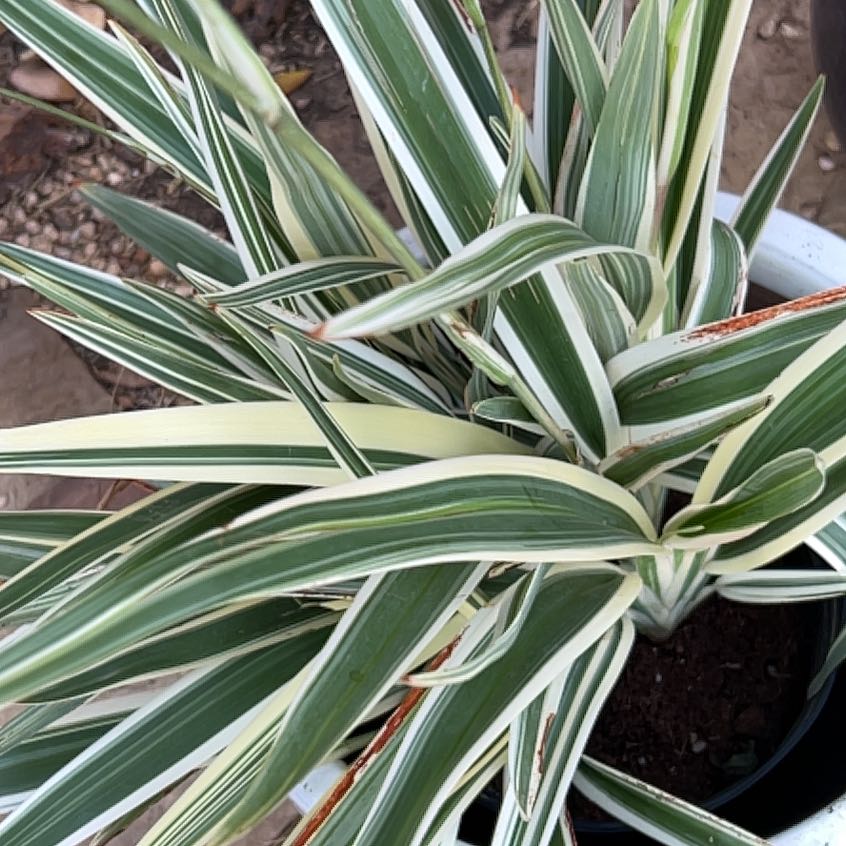
How to Plant a Flax Lily
Plant Flax Lily in spring or fall in well-drained soil with morning sun and afternoon shade in hot zones, or full sun in cooler ones. Set the crown right at soil level, never below. Space plants 18 to 24 inches apart. Water deeply once a week through the first year. Expect the clump to double in width by the end of year one and the first blue berries to follow summer flowering.

When and where to plant
Flax Lily is hardy in zones 8 through 11 and grows best in morning sun with afternoon shade in hotter southern regions. In coastal and cooler inland zones, the plant handles full sun all day and holds its dark green color better. Deep shade is the one light condition to avoid, since the clump thins and stops flowering.
Plant in spring once nights stay above 50°F, or in early fall about six weeks before your first frost. Either window lets the roots settle before the next stress season. The site needs well-drained soil, and this is the single condition that matters most for Flax Lily. The plant tolerates sandy, loamy, or moderately clay ground but rots quickly in soggy or low-lying spots. On heavy clay, plant on a slight mound or in a raised bed. Soil pH from 5.5 to 7.5 works well.
Space plants 18 to 24 inches apart for a groundcover or border. Allow 3 feet between plants when the goal is individual clumps with breathing room. Keep the planting site at least 2 feet from foot traffic, since the leaf edges are stiff and can scratch bare skin.
Planting from a nursery transplant
Pick a Flax Lily with firm upright leaves, no yellowing at the base, and a root ball that holds together when slipped from the pot. The single most important rule for this plant is drainage. Flax Lily tolerates heat, drought, salt spray, and most soil textures, but a waterlogged site causes crown rot within weeks. Choose a planting spot where water never pools after rain.
-
1Pick a planting day Aim for a cool overcast day in spring after the soil has warmed, or in early fall about six weeks before your first frost. Hot sunny weather pulls moisture from the leaves faster than new roots can replace it. If the only option is a warm day, plant in early morning and shade the new transplant for the first afternoon.
-
2Dig the hole twice as wide Measure the root ball, then dig a hole twice as wide and the same depth as the container, not deeper. A wide hole loosens surrounding soil so the new roots push out laterally into native ground. Digging deeper than the root ball is the easiest way to cause the crown to settle below soil level over time, which leads to rot.
-
3Slip the plant in with the crown at soil level Slide the Flax Lily out of its container and place it in the hole so the top of the root ball, where the leaves emerge from the roots, sits exactly at the level of the surrounding soil. The crown should never be buried under added soil. If the root ball sits too low, lift the plant and add native soil under it until the crown lines up with grade.
-
4Loosen the roots if they are circling Check the sides and bottom of the root ball for roots wrapping in a tight spiral. If you see circling roots, use clean fingers or a knife to gently tease them outward or make three or four shallow vertical cuts down the sides. This signals the roots to branch into the native soil instead of continuing the circle, which they sometimes never break out of on their own.
-
5Backfill, water in, and mulch Hold the plant upright and backfill with the same native soil you removed, firming gently to close large air pockets. Water the planting hole slowly until the soil settles, then top with 2 inches of mulch kept 2 inches back from the leaf bases. Mulch piled against the crown traps moisture against living tissue and invites the same rot the drainage rule is meant to prevent.
The first year
The first year for a newly planted Flax Lily is mostly an underground story. The plant is moving energy from above-ground growth into pushing roots out into the native soil, which is what supports the slow steady spread the species is known for. You should not expect dramatic top growth during this period.
The most common new-grower mistake is reading slow visible change as a sign of trouble and watering more often. Soggy soil is the one thing Flax Lily cannot tolerate, and overwatering during establishment causes the rot the plant is most vulnerable to. Stick to deep watering once a week and let the top inch of soil dry between sessions.
Healthy first-year growth looks like steady dark green color, no significant yellowing or browning at the base, and a clump that visibly widens by late summer as new fans push up from the edges of the original root ball.
What can go wrong
-
Mushy crown or rotting base
Waterlogged soil is the cause, and this is the single biggest killer of newly planted Flax Lily. The crown sits too low or the site collects water, starving the roots of oxygen. Lift the plant if the ground stays saturated for more than a day after rain, and either replant on a 6-inch mound or move to a better-drained site. Water based on whether the soil feels dry an inch down, not on a fixed schedule. -
Bleached or scorched leaves
Too much direct afternoon sun in hot zones bleaches the foliage from deep green to pale yellow-green and can scorch the tips brown. In zones 9 through 11, position the plant where it gets morning sun and afternoon shade. If the plant is already in full sun and showing damage, shade it temporarily with cloth for the rest of summer and consider moving it to a better spot in fall. -
Brown leaf tips in the first year
Drought stress is the usual cause in newly planted Flax Lily, especially in late summer when the root system has not yet reached deep enough to find moisture on its own. Water deeply once a week and let the top inch of soil dry between sessions. If the mulch ring has thinned or pulled away from the plant, refresh it to a 2 inch depth to slow evaporation. -
Buried crown (slow decline)
If the crown disappeared into the planting hole or under added mulch, the plant is slowly suffocating. Gently pull soil and mulch back from the base with your fingers until you can see the leaves emerging cleanly from the soil surface. Done within the first year, recovery is usually full. Done after several seasons, the decline is often too far along to reverse. -
Slow new growth after planting
Transplant shock is normal for the first month, as the plant redirects energy from the leaves to building new roots in the native soil. Resist the urge to fertilize, which pushes leafy growth before the root system can support it. Keep watering deeply once a week and look for new fans pushing up from the edges of the original clump by month two. -
No flowers or blue berries the first year
Flax Lily often skips flowering during the establishment year, putting all its energy into roots and new fan growth instead. This is normal and not a sign of a problem. Expect the first reliable flower spikes in late spring of year two, followed by the distinctive deep blue berries through summer and fall. Full sun or bright morning sun encourages heavier flowering once the plant is established. -
Yellowing leaves from the base up
Planting too deep is a common cause, since a buried crown holds moisture against the leaf bases and leads to gradual yellowing and rot from the bottom up. Check whether the crown sits at or just above soil level, and lift the plant to reset it if needed. A second possible cause is iron chlorosis on alkaline soils above pH 7.5, which shows as yellow leaves with green veins rather than uniform yellowing. -
Notched or chewed leaf edges
Grasshoppers, snails, and the occasional caterpillar account for most chewing damage on Flax Lily. The plant tolerates light feeding without long-term harm, so handpick visible pests in the morning and skip chemical sprays for minor damage. If snails are the issue, pull mulch back a few inches from the crown and water in the morning so the soil surface dries by evening.
About This Article
